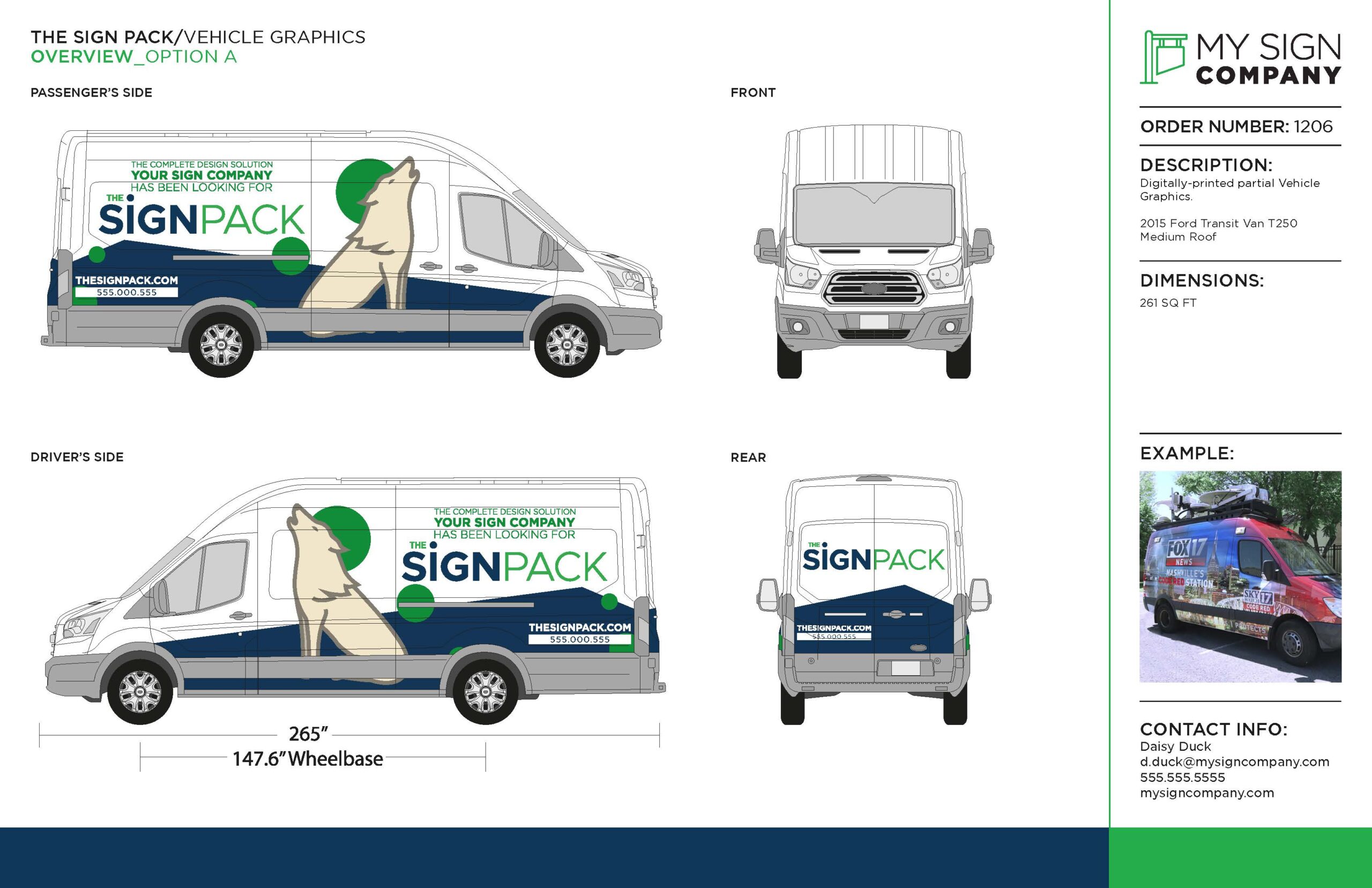
Today’s digital era intensifies competition in vehicle branding design. Businesses use vehicle graphic design and fleet vehicle wraps to dominate city streets and capture attention. Building brand awareness and promoting their products and services.
This competitive shift prompts designers and owners to rethink their strategies. Recognize vehicle graphics as high-value assets that deliver contributions to business growth, such as:
- Turning impressions into leads with high-impact messaging.
- Driving business growth with custom vehicle wraps design that delivers positive results.
- Strengthening Mental Availability to keep the brand top-of-mind in the market.
- Establishing a consistent and effective marketing asset across various vehicle types.
Yet, despite increased competition, many lack a clear strategy for designing effective vehicle graphics. As a result, you often see visually appealing commercial vehicle wraps that fail to communicate essential messages.
Strong visuals alone are not enough; many attractive wraps miss opportunities to drive growth.
In this article, The Sign Pack’s professional team explains why many wrap designs fail and shows businesses how to achieve more strategic, impactful results.
Focusing Too Much on Visual Appeal Instead of Function and Purpose
Vehicle branding graphic design is much more than just marketing visuals. Its function is complex and highly strategic. A well-designed commercial vehicle wrap should contribute to:
- Brand awareness
- Brand activation
- Mental availability
- Lead generation
- Maximizing ROI
- Fleet identity
- And more
Vehicle graphic designers must follow best practices before starting a project. Without clear guidelines and purpose, designers cannot create real business impact.
Ultimately, a visually attractive custom vehicle wraps design is not enough.
Businesses often praise visually appealing wrap designs on social media. However, these designs frequently fail to generate revenue or drive meaningful business results.
This demonstrates that great aesthetics alone do not guarantee high-performing results, unless the designer applies proven best practices and strategic principles in fleet vehicle wraps.
That is why understanding the primary purpose behind a vehicle wrap is the most critical step. Once the objective is clear, the designer can determine the right format, layout, and communication approach, ensuring the final design is not only beautiful but also aligned with the business goals it needs to achieve.
Failing to Apply a Clear Information Hierarchy
Many wrap designers or sign companies can produce visually appealing work that clients love. However, a common issue is the lack of a proper information hierarchy. It is an essential element for creating vehicle branding graphic design that delivers a strong brand impact and lasting brand memories.
Information hierarchy plays a critical role in developing effective commercial vehicle wraps. When applied correctly, it helps build mental availability and reinforces brand recall, enabling a business to stand out and win in a crowded environment.
A well-structured information hierarchy offers numerous benefits across advertising, including in fleet vehicle wraps and custom vehicle wraps design, such as:
- Helping audiences absorb key information quickly and easily.
- Enabling businesses to achieve their goals through vehicle wraps, whether that’s driving leads or increasing brand awareness.
- Supporting the creation of a consistent and effective brand identity across multiple vehicles.
- Strengthening brand recall by reminding viewers of the brand every time they see the vehicle on the road.
Designing vehicle graphics for a business is not just about creating something that looks attractive in traffic. It is about ensuring the message is seen, understood, and remembered by viewers, even in the brief moments when they pass the vehicle on the street.
What Information Should Be Prioritized in a Vehicle Graphic?
At its core, the strategic and balanced arrangement of visual elements is what separates an effective design from one that simply looks good. The same principle applies to every form of vehicle branding graphic design we discuss here.
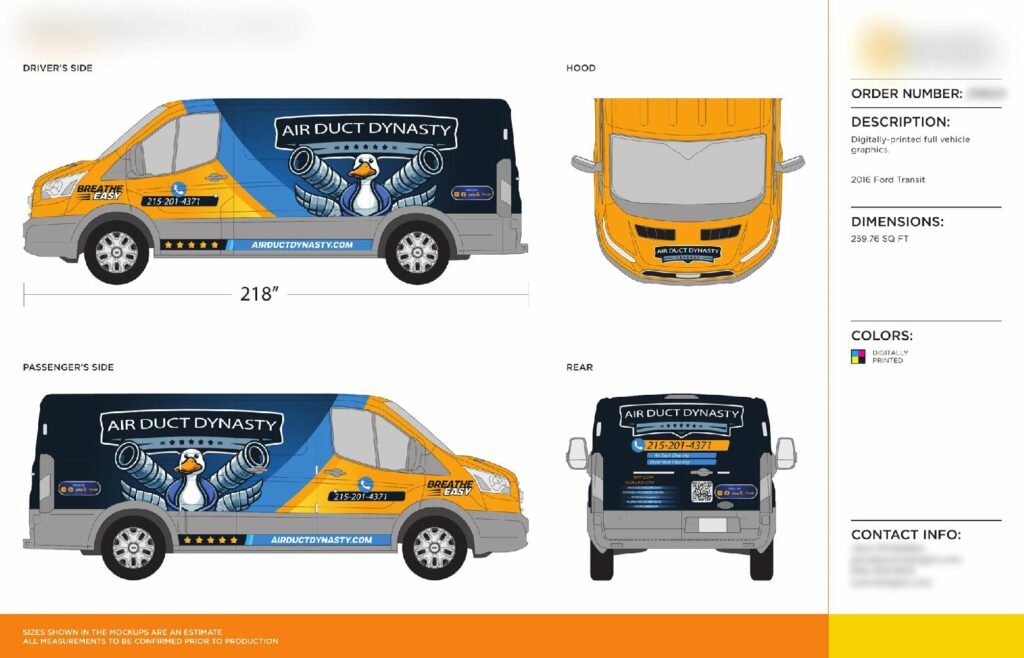
This means you must carefully choose which information to display on the vehicle, focusing only on what supports the business and the wrap’s main purpose. Below are the three essential elements that must be prioritized in vehicle graphic design to ensure a stronger business impact:
- Who You Are (Logo and Business Name): Positioned prominently and easily visible from a distance.
- What You Do (Service Offering): Stated clearly without overwhelming the wrap or creating unnecessary distractions.
- How to Contact You (Website or Phone Number): Easy to read and highly visible from a reasonable distance.
If a business owner requests that the designer include a call to action, it can certainly be incorporated appropriately without overpowering the core information.
But in most cases, these three elements alone are more than enough. By focusing on these priorities, viewers can quickly recognize the brand name, understand the offering, and know how to reach the business.
This approach keeps the design simple yet impactful, not overly complex, but effective in driving the intended business outcome.
Too Much Information Causes Every Message to Be Overlooked
It’s common for business owners to want to include as many details as possible in their vehicle branding design. Their intention is simple: they don’t want to miss any piece of information that might be important to potential customers.
Examples often include:
- Business slogans
- Full service lists and branch locations
- Photos of operational teams
- Images of buildings or project sites
- Discount or promotional information
- Bold, attention-grabbing CTAs
- And more
While all of these elements may carry value for the business, the reality is very different when applied to a commercial vehicle wrap. In most cases, audiences cannot read everything—or process it quickly enough—when the vehicle is moving or viewed briefly from a distance.
A typical viewer might think:
“What vehicle was that? I couldn’t tell what the message was. There was too much going on.”
And when that happens, it’s a major loss for the business.
This is one of the biggest reasons many fleet vehicle wraps fail despite being visually attractive and packed with information. The design becomes counterproductive because it tries to communicate too much at once.
This phenomenon aligns with a well-known principle in business and advertising, famously stated by author and business consultant Patrick Lencioni:
“If everything is important, nothing is important.”
In other words, too much information results in nothing being truly processed or remembered. The audience becomes overwhelmed, disengages, and simply gives up trying to read it.
Design Concepts That Do Not Align With Market Behavior
When a design concept does not match real-world market behavior, it creates a disconnect that often leads to an ineffective or failed wrap. The success of a commercial vehicle wrap is not determined by how “cool” it looks—but by how well it performs in convincing people and generating prospects.
It’s important to understand that consumers on the road are not trying to admire your artwork. They simply want to know three essential things:
- What business is this?
- What services does it offer?
- How do I contact them?
Based on the experience of The Sign Pack’s professional team, as long as your design clearly communicates these three points, your vehicle branding graphic design will remain relevant in any situation.
However, this simple guideline is often misaligned with business owners’ expectations. This creates a dilemma for many vehicle graphic designers or sign agencies:
- Follow the client’s preference and produce a design that is “beautiful” but ineffective.
- Educate the client professionally to ensure the design delivers real business value.
From our more than 50 years of combined experience in this industry, we strongly recommend choosing the second option.
Why is this the best choice?
Here are two key reasons:
- Proper education helps shift the client’s mindset. They begin to understand that you are genuinely helping them achieve their business goals.
- You position yourself as a trusted strategic partner, someone worth paying more for.
And here’s the good news: if you are a vehicle graphic designer or sign company without the resources to fully handle these types of projects, our team can act as your extended creative partner.
We can provide:
- High-impact 3D presentations
- Creative and effective custom vehicle wraps design
- Accurate technical drawings for various vehicle types
With this support, you can focus on increasing sales and approaching high-margin clients, while we help you deliver the quality needed to close those opportunities.
Why Sign Company Choose The Sign Pack
Trusted reliability. Designed for growing businesses.
From creative designs to express delivery, we enable your sign company to maximize productivity and profitability.
Ignoring the Fundamental 2.5-Second Advertising Rule
The 2.5 Second Rule is an advertising principle stating that marketers have only about 2.5 seconds to capture a viewer’s attention. This concept was introduced by Karen Nelson-Field, PhD, an academic and leading researcher in human attention and its impact on brand building.
According to Marketing Week, 85% of digital ads fail to capture more than 2.5 seconds of active attention, the minimum threshold for influencing memory and strengthening mental availability.
This means that if a business wants its brand to be remembered and grow consistently, every advertising asset must be designed to surpass this attention threshold.
It is crucial for designers and marketers to understand that the 2.5 Second Rule is now a fundamental element of advertising, especially when creating layouts and structuring information hierarchy. By doing so, every impression can persuade viewers more effectively and increase the chances of generating leads or conversions.
Vehicle Graphics as a Highly Effective Advertising Medium
A commercial vehicle wrap traveling across the city and generating impressions from thousands of people works just like a moving billboard. And it is undeniably effective for attracting prospects for several key reasons:
- It reaches broad audiences based on travel distance and the number of impressions across various locations.
- The vehicle serves as the advertising platform, while the vehicle graphic becomes the canvas for promoting the business through the right design format.
- An effective, frequently used vehicle branding graphic design can capture longer active attention, helping the message stay in people’s memories.
However, we must also acknowledge that competition today is extremely high; you can see countless fleet vehicle wraps everywhere.
This means designers must be more creative, more strategic, and more precise in producing commercial vehicle graphics that truly stand out and deliver meaningful business impact.
When executed correctly, the business becomes more memorable, grows stronger in its audience’s minds, and builds a powerful, positive effect known as Mental Availability.
Examples of Wrap Designs That Fail the 2.5-Second Test
Many designers may wonder, “What does a wrap design look like when it fails to meet the 2.5 Second Rule?”
Below is a simplified analogy to help illustrate how a commercial vehicle wrap can fail this crucial test:
- A visually beautiful wrap where decorative elements dominate, creating distraction and blurring the company’s identity.
- An overload of service offerings that forces text to be extremely small and impossible to read from a reasonable distance.
- Contact information that is too small to be seen, causing the business to miss potential leads.
- Excessive text that audiences cannot process quickly results in all messages being ignored.
As you already know, vehicle graphics are constantly in motion and compete visually for attention. Therefore, designers must apply the right strategy to ensure every investment a business makes can multiply revenue and support long-term growth.
We cover this topic in more detail in our article, Vehicle Wrap Design Tips and Strategies to Stand Out and Win More Customers. Please visit that page for further insights.
Graphic Distractions That Confuse Audience Attention
A strong vehicle branding graphic design is not only about how visually appealing it looks—it must also deliver clarity, visibility, and reliability. Excessive or overly complex graphic elements distract and confuse the viewer’s focus.
We recommend avoiding the most common hierarchy and layout mistakes found in many fleet vehicle wraps, including:
- Oversized slogans and logos, while the business name is written too small.
- Long service lists that clutter the wrap make it difficult to understand at a glance.
- A logo forced into complex compositions that are not adaptable for vehicle wrap applications.
- Contact information that is too small or missing entirely.
- Design elements are competing for attention rather than working together to guide the viewer toward the most important message.
When these issues occur, even the most visually impressive wrap cannot perform effectively. A successful wrap requires clarity, hierarchy, and strategic design. It ensures the message is impossible to miss, even within 2.5 seconds.
Design Quality That No Longer Stands Out in a Highly Competitive Market
In the early days of the vehicle wrap industry, almost any design could capture attention effortlessly. With fewer competitors, even simple visuals stood out and appeared unique on the road.
But today, the landscape has changed dramatically, and this shift has become a major challenge for both business owners and designers.
The Vehicle Wrap Industry Is Now Highly Competitive
Here are some of the most significant developments in recent years:
- Vehicle wraps have become a standard branding tool.
- Businesses across all industries, from F&B and logistics to retail and professional services, now use vehicles as a primary marketing medium.
- Bright colors are no longer a differentiator.
- Colors that once seemed “eye-catching” are now widely used, reducing their ability to make a brand stand out.
- High-resolution photos and modern digital effects are baseline expectations.
- Professional imagery, digital illustrations, and advanced compositions are no longer value-added features; they are the minimum standard for professional wraps.
As the quality and quantity of competitors increase, business owners and designers must rethink how they approach effective wrap design.
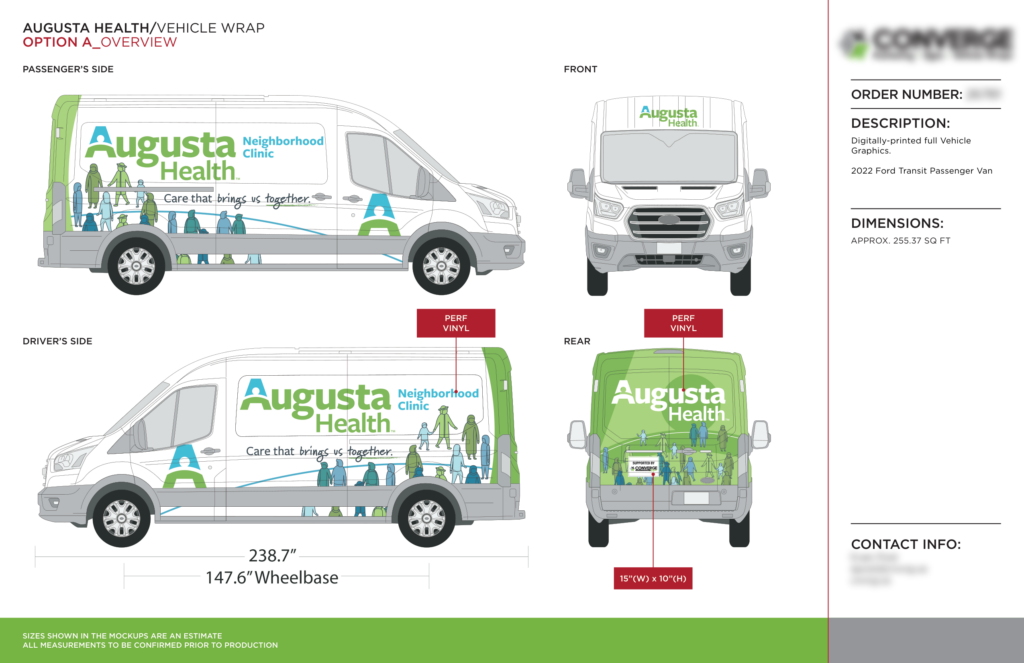
Key Insights for Creating Standout Vehicle Wraps Today
Below are the principles that now shape successful vehicle graphic design:
1. Beautiful Visuals Are No Longer Enough
In a world full of visual distractions, a wrap must do more than look good. It must communicate clearly and function effectively.
2. Disruptiveness Is the New Competitive Advantage
A modern wrap must capture attention in 1–3 seconds, even in a crowded visual environment.
This requires:
- Strategic contrast
- Clear message hierarchy
- Bold shapes
- Visual focus points are recognizable from a distance
3. Color and Composition Must Be Based on the Competitive Environment
Color choices cannot be based solely on the business owner’s preferences. Designers must analyze:
- What colors competitors commonly use in the same area
- The visual saturation level of the operational environment
- Physical surroundings (highways, residential areas, industrial zones, or city centers)
The goal is to choose colors that won’t blend in with the environment and competitors.
4. Market Behavior Analysis
Different audiences respond differently to visual elements. Understanding how the target market perceives vehicles on the road is crucial.
5. Competitor Analysis
Evaluating competitors’ graphics, colors, layouts, and visual styles allows designers to determine the most effective differentiation strategy.
In conclusion, effective vehicle wraps are designed to win, not just to look good. A successful wrap today is not defined by aesthetics alone, but by its ability to compete visually and consistently attract the attention of the intended market.
With data-driven thinking, competitive research, and strategic visual planning, vehicle graphics become a high-impact marketing asset rather than mere decoration.
The important insights are:
- Designers create wrap designs that deliver stronger business value.
- Business owners set realistic expectations to maximize reliability in every vehicle branding project.
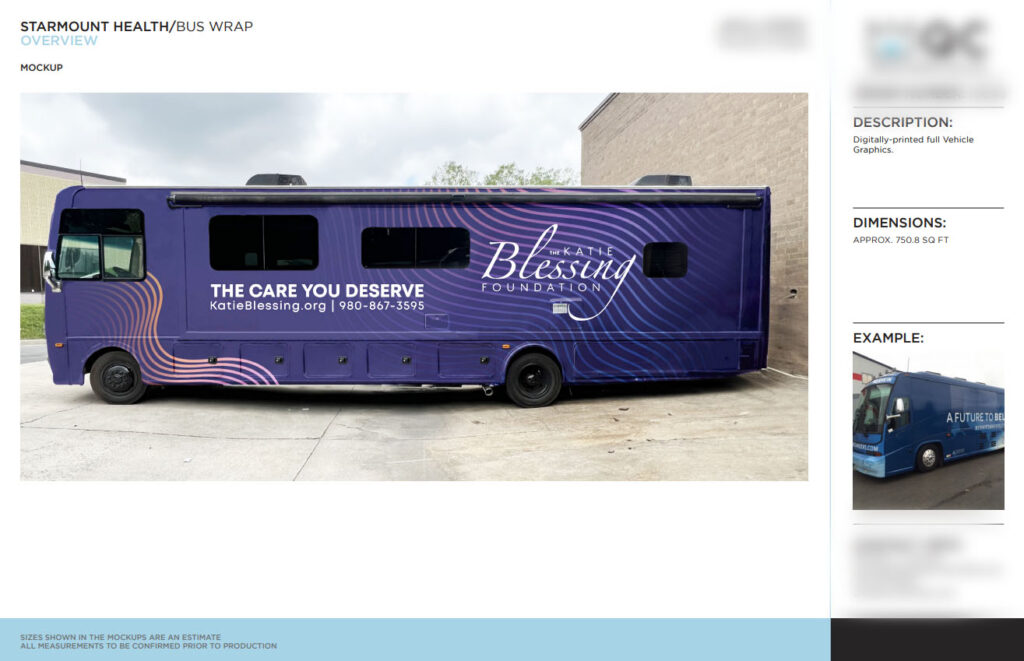
Solutions for Sign Companies: Treat Vehicle Wraps as a Strategy, Not a Commodity
As competition in the vehicle graphics industry continues to rise, sign companies and wrap designers must avoid falling into a price war. Competing on price alone devalues your expertise and reduces your services to low-margin production work.
A far more powerful approach is to shift your positioning, from a simple “production or creative vendor” to a “strategic branding partner.”
Why does positioning yourself as a strategic branding partner matter?
Here six compelling reasons:
- You’re not just selling print or creative output, you’re providing a comprehensive business solution.
- A strategic approach allows you to deliver designs that influence real business outcomes, not just aesthetics.
- You gain stronger credibility with potential customers.
- When clients see that your team has strategic thinking, market insight, and precise execution, they trust you with higher-value projects.
- Vehicle wraps are a significant investment.
- Business owners want assurance that this asset will deliver significant value. By showing them your strategic method, you clearly communicate the impact of their investment.
The Strategic Outcome Clients Want: Mental Availability
Help clients understand that vehicle branding isn’t merely decoration, it’s a tool for building Mental Availability, the ability for a target market to remember and identify the brand instantly.
A strategically designed wrap ensures their business becomes the first and sometimes the only option customers recall when making a purchase decision.
This mindset shift will help business owners realize that vehicle wrap design requires knowledge, analysis, and thoughtful planning, not quick, aesthetic-driven decisions.
Partner With a Team That Supports Your Growth
If you’re a sign company or wrap designer experiencing high demand and want to increase productivity without adding headcount, The Sign Pack can be your ideal partner.
We operate as an extended team for sign companies, wrap design agencies, and global brands that need high-performance vehicle branding solutions.
Our team combines creativity with deep technical expertise to ensure every design is accurate, effective, and strategically aligned with the client’s goals.
To learn more about how our workflow can elevate your service quality and increase your company’s revenue, connect with our professional team today.
Click the contact button to get in touch with The Sign Pack now.