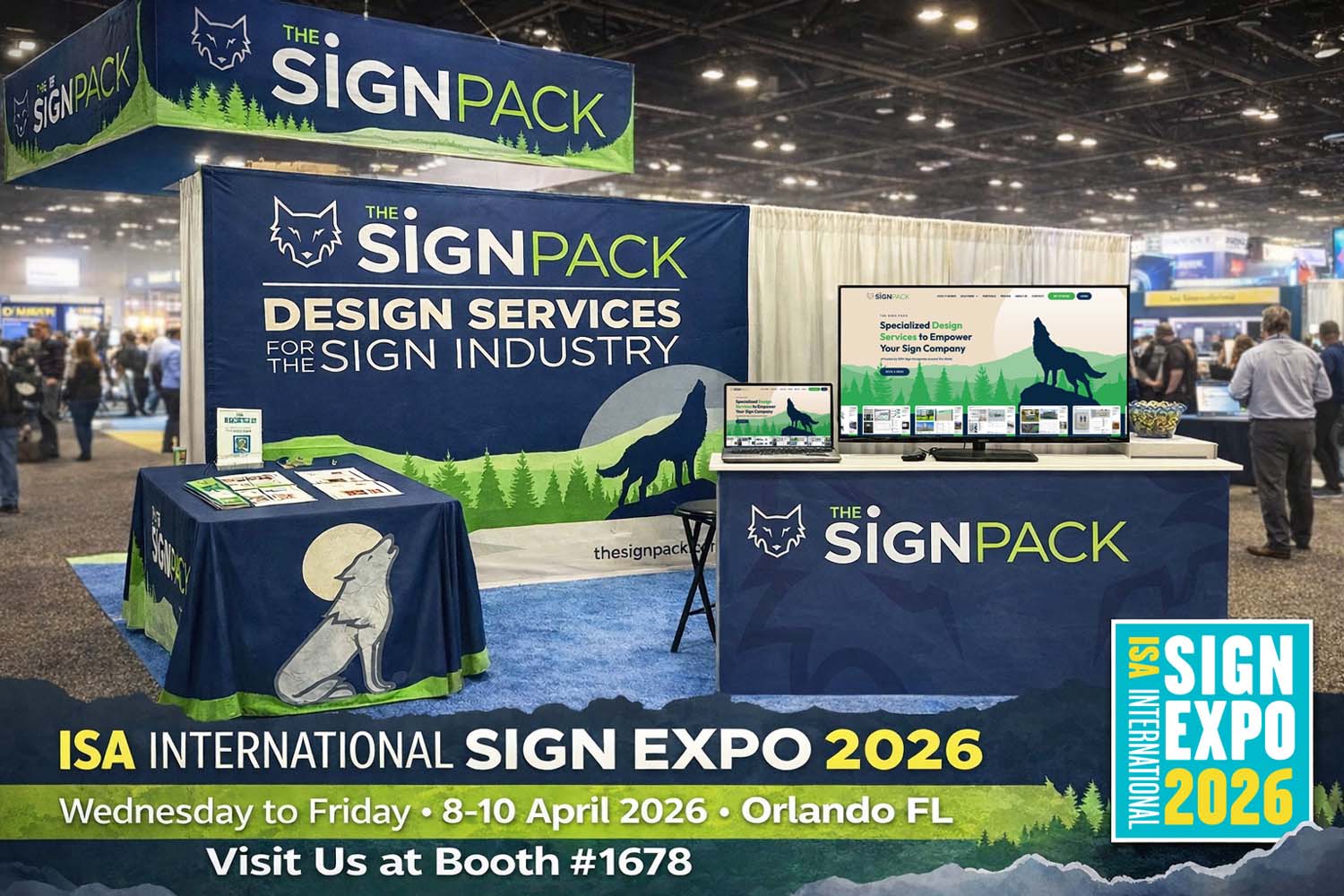
ISA International Sign Expo 2026, the largest trade show in the United States for the sign, graphics, and visual communications industry, will take place April 8–10, 2026, at the Orange County Convention Center in Orlando, Florida.
Organized by the International Sign Association (ISA), this event attracts more than 2,300 manufacturers, sign companies, suppliers, and industry professionals from across the United States and over 54 countries.
This year’s theme, Find Your Spark, highlights innovation, meaningful connections, and advanced systems built to improve efficiency, scalability, and long-term strategic transformation.
For forward-thinking sign companies, ISA Sign Expo represents far more than an opportunity to see what’s new. It offers a clear view into where the signage industry is headed and how businesses must evolve to stay competitive.
Across the show floor and educational sessions, several transformative trends are becoming increasingly clear:
- Greater automation in fabrication and production
- Deeper integration between design, estimating, and manufacturing systems
- Smarter, more streamlined workflows
- Higher compliance and permitting standards
- Faster client turnaround expectations
These shifts are not incremental—they signal a fundamental change in how successful sign companies operate.
ISA Sign Expo 2026 has become more than a traditional trade show. It serves as a catalyst for change, driving the strategic pivots that are redefining how sign companies grow, scale, and position themselves in an increasingly competitive market.
In this exclusive article, The Sign Pack shares a unique perspective on the real strategic patterns emerging from ISA Sign Expo and how sign companies can translate those insights into sustainable growth.
Growth Is Increasingly Operational, Not Just Physical
For years, ISA has showcased live demonstrations of the latest equipment and technologies designed to help sign companies achieve greater efficiency and exceed client expectations. ISA 2026 is no exception.
Historically, growth in the signage industry followed a familiar pattern:
- Add more equipment
- Hire more staff
- Increase production output
These factors still matter. Capacity, workforce, and production capability remain fundamental.
However, the business model is evolving, and the challenges are becoming increasingly complex.
For many sign companies, fabrication capacity is no longer the main bottleneck. Equipment is faster, automation is more advanced, and production output can scale rapidly with the right investments.
Yet a crucial question remains:
Why are so many sign companies still struggling to improve operational efficiency and true scalability, even with modern technology in place?
The answer goes deeper.
Many companies still experience hidden margin erosion due to:
- Endless design revisions
- Permit resubmissions
- Shop-floor reinterpretation of drawings
- Misalignment between design intent and fabrication reality
These operational inefficiencies quietly erode profits, delay project timelines, and strain internal teams.
This reveals a deeper reality beyond what is visible on the ISA show floor:
The structure of growth itself has changed.
Today, growth is no longer defined solely by fabrication capacity—it is increasingly determined by operational architecture.
Companies that scale successfully are not just investing in equipment. They are strengthening the supporting layers:
- Process clarity
- Documentation accuracy
- Permitting strategy
- Technical design precision
- Cross-department alignment.
Operational Misalignment: The Silent Growth Killer in Sign Companies
Internal operational misalignment acts as a massive drain on energy, time, and resources.
Even when leadership teams work diligently, misalignment leads to stalled execution, endless firefighting, and limited scalability.
This is what we call the silent growth killer.
Operational misalignment inside a sign company can take many forms. Some of the most critical include:
1. Sales–Design–Production Misalignment
When sales promises, design execution, and production realities are not aligned, lead times expand and labor costs increase. What begins as a small communication gap quickly turns into rework and production friction.
2. Incomplete Project Information and Pre-Production Documentation
Errors in project data, unclear specifications, or missing documentation lead to permit rejections, fabrication confusion, and production downtime. Timelines slip. Client confidence declines.
3. Endless Revision Cycles
Repeated design revisions and permitting resubmissions delay production schedules, compress installation windows, and quietly erode margins. Profitability and long-term growth suffer.
To visualize the impact more clearly:
| Issue | Immediate Impact | Long-Term Impact |
| Sales–Design–Production Misalignment | Rework, delays, internal frustration | Scaling becomes chaotic |
| Incomplete Documentation | Permit rejection, idle production time | Margin erosion |
| Revision Cycles | Timeline slippage, overtime costs | Cash flow pressure |
As innovation and automation continue to advance, growth patterns are shifting.
The old model of growth driven primarily by equipment and technology investment is giving way to a new structure driven by coordination, clarity, and scalable operational systems capable of handling complex project scenarios.
When ISA Sign Expo 2026 highlights advancements in production speed and technology, the companies that benefit most are not simply those who buy the newest equipment.
They are the companies whose internal workflows are already structured to match that speed.
Who are they?
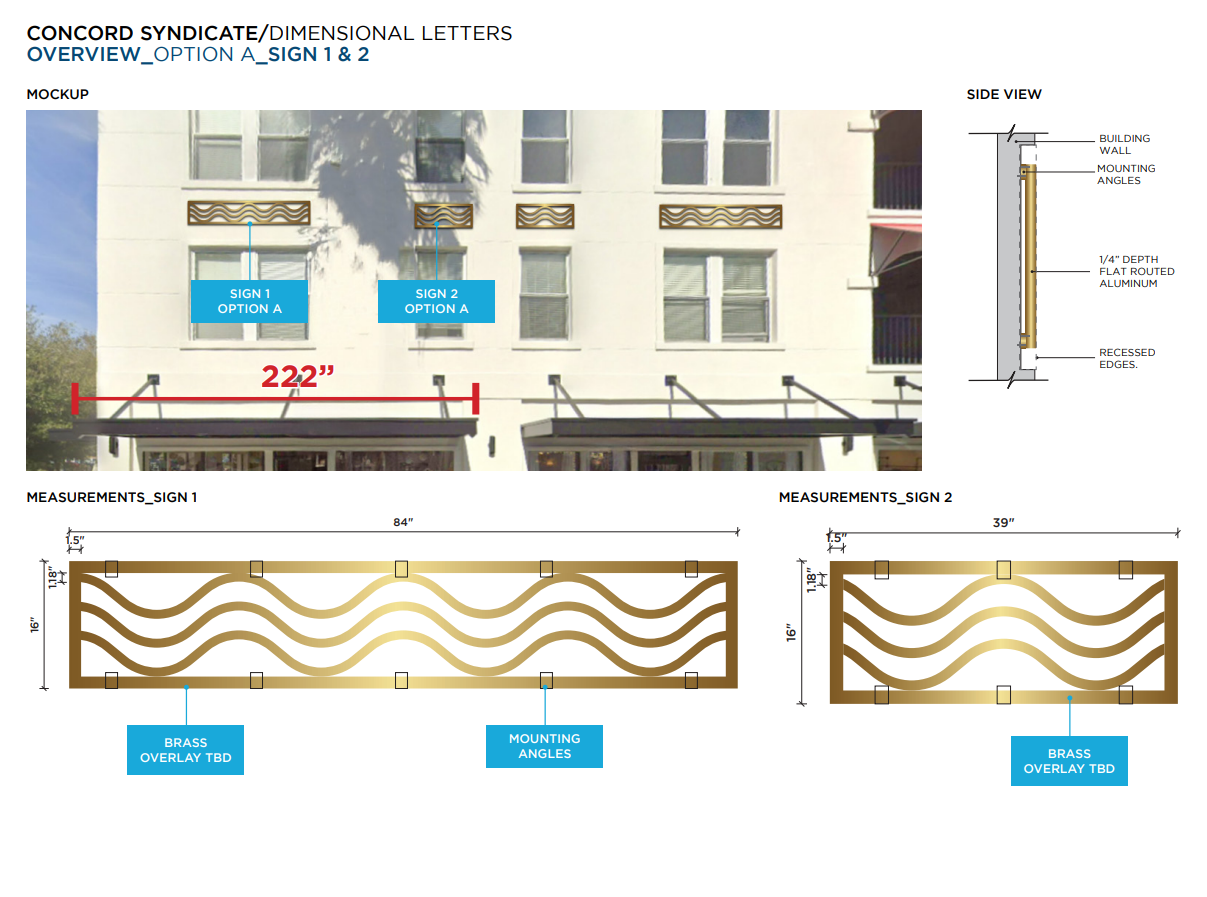
They are companies that view design capacity not as an isolated creative function, but as an operational layer embedded within the production workflow.
They build systems that include:
- Standardized file structures
- Consistent design logic
- Built-in production rules
This perspective does not mean hiring more in-house designers to increase output.
Instead, it means shifting from a Designer-Centric Model to a System-Centric Model that is inherently more scalable.
A system-centric approach creates operational stability, alignment, and predictable throughput. Margin protection becomes proactive rather than reactive.
By focusing on scalable systems, sign companies can navigate complex operational scenarios with greater control and consistency.
It also ensures that institutional knowledge does not “disappear” when a key designer leaves. Operations continue smoothly, even in high-turnover environments.
If you would like to explore this approach in more detail, we invite you to read our article: How to Double Sign Production Efficiency Without Hiring New Designers.
Design Is Evolving from a Creative Asset to an Operational Foundation
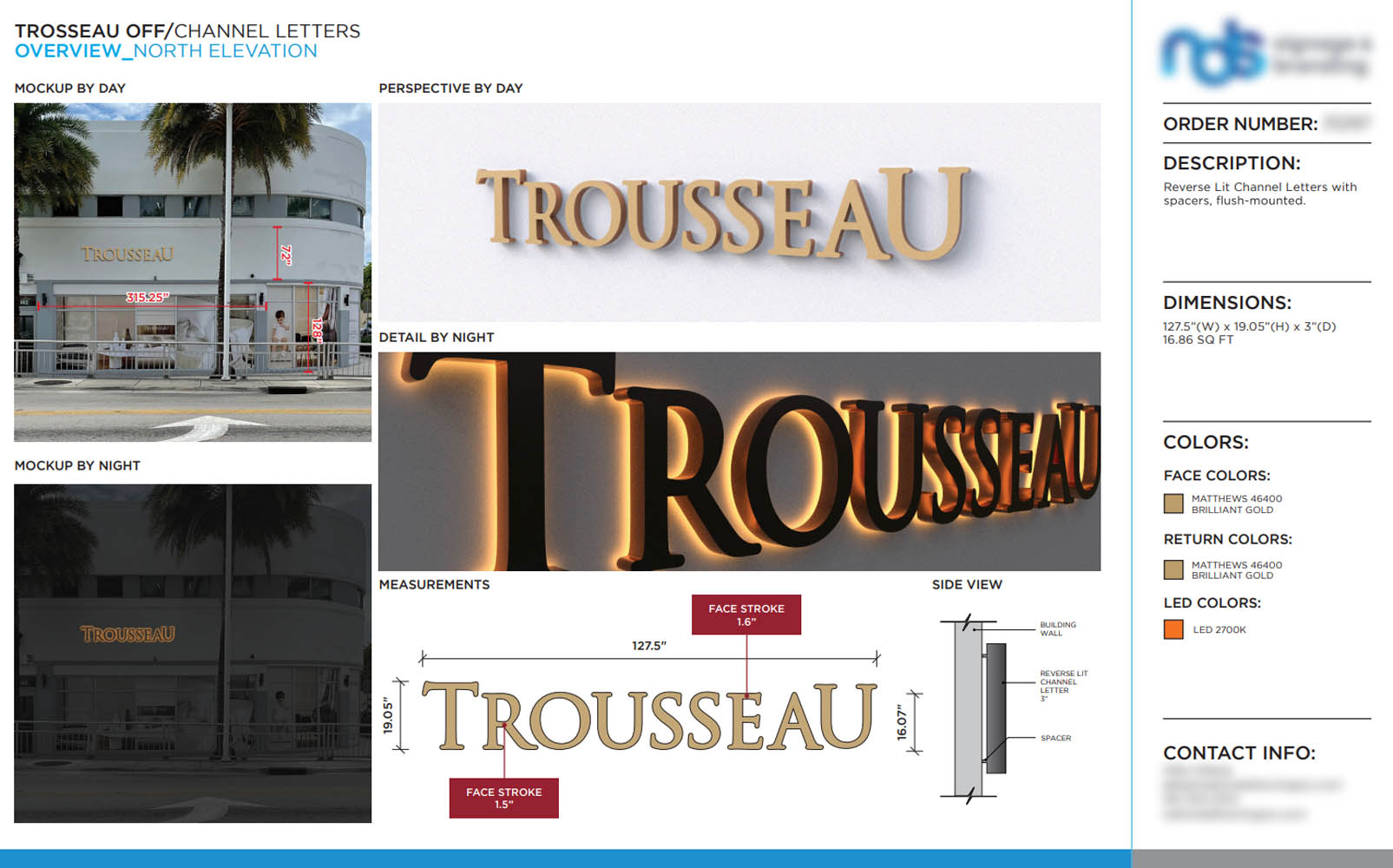
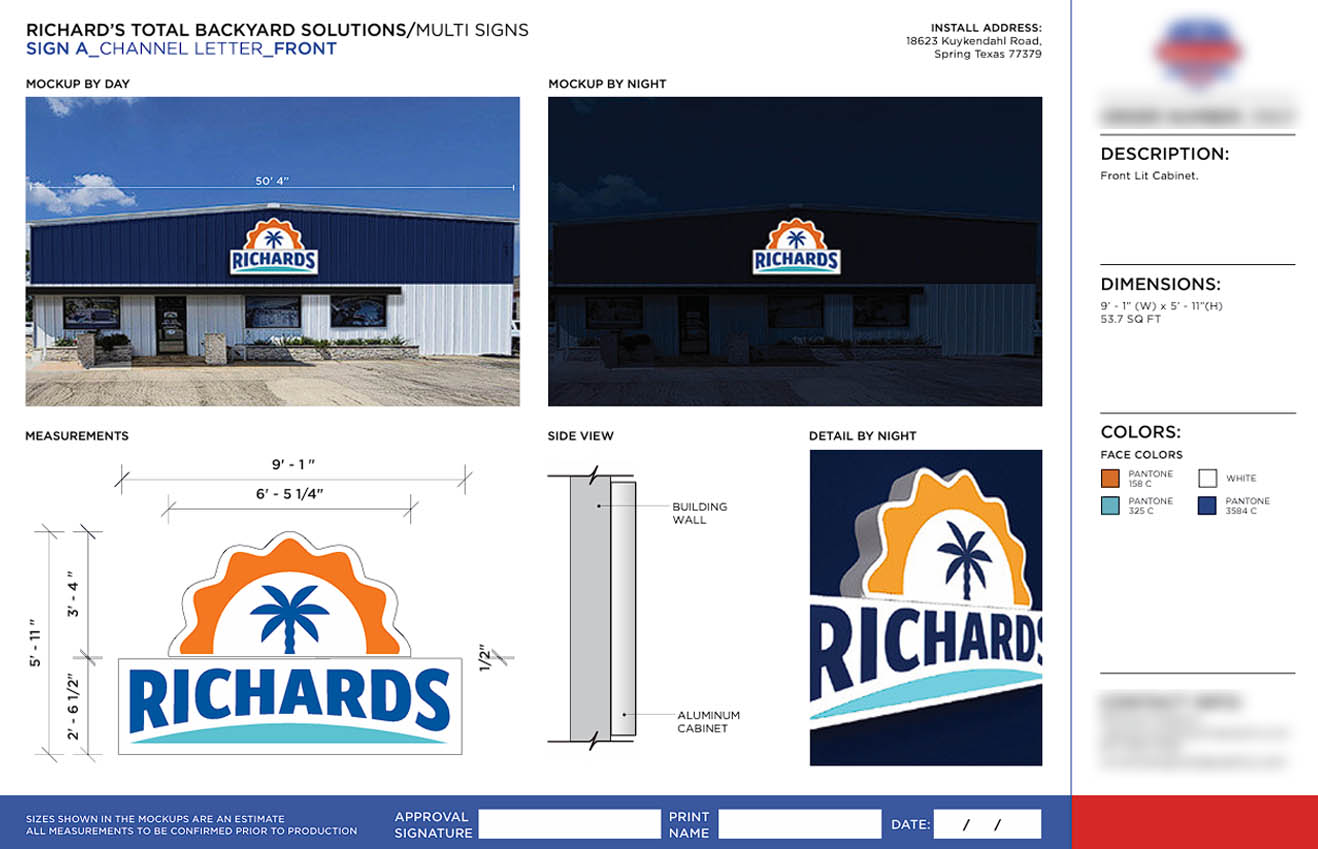
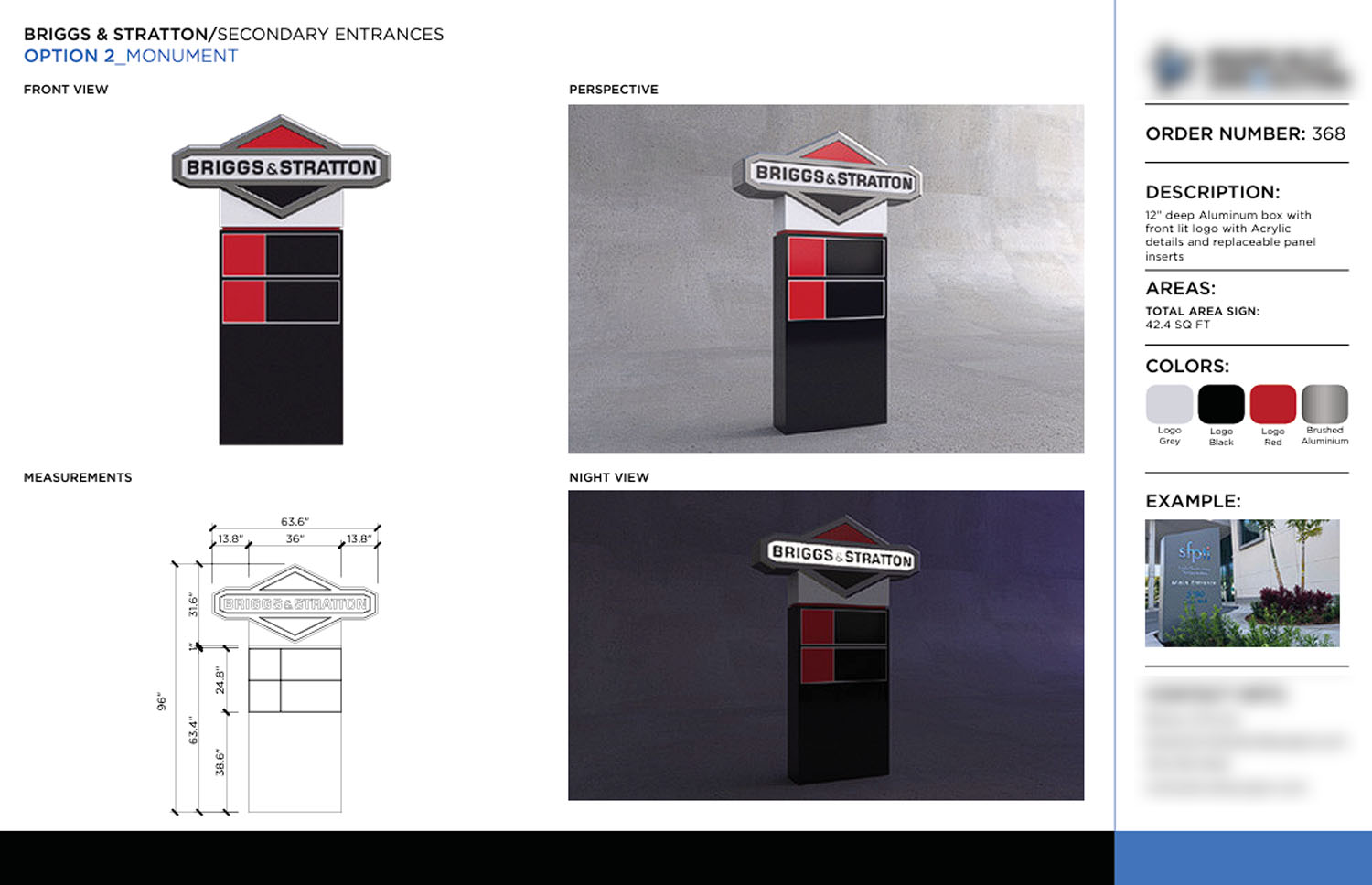
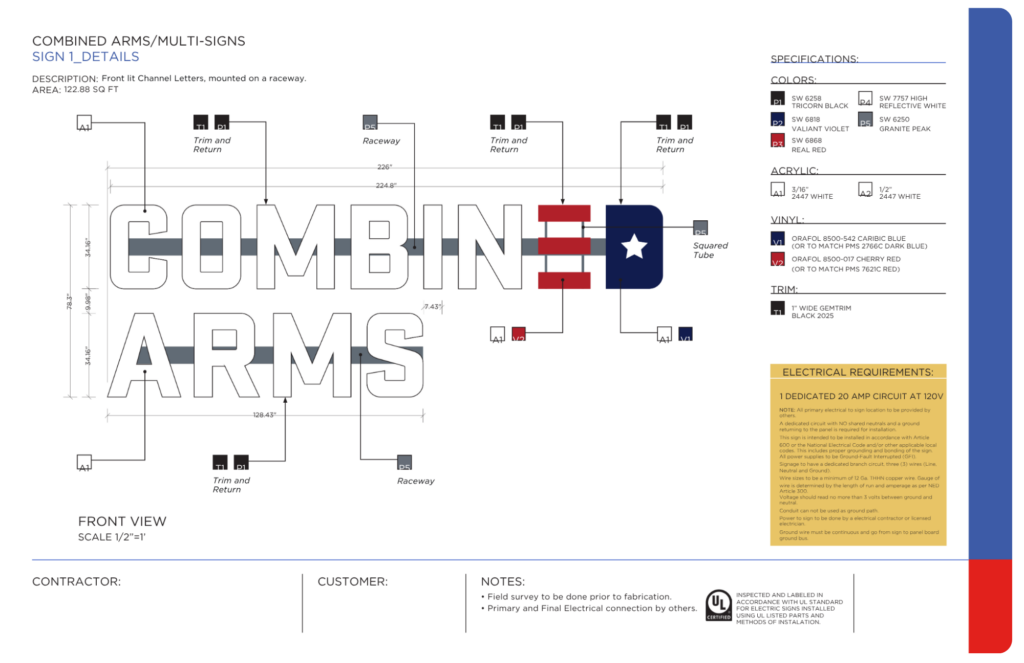
Historically, sign companies have viewed layout design primarily as a presentation tool. Its main function was to visualize concepts and secure client approval.
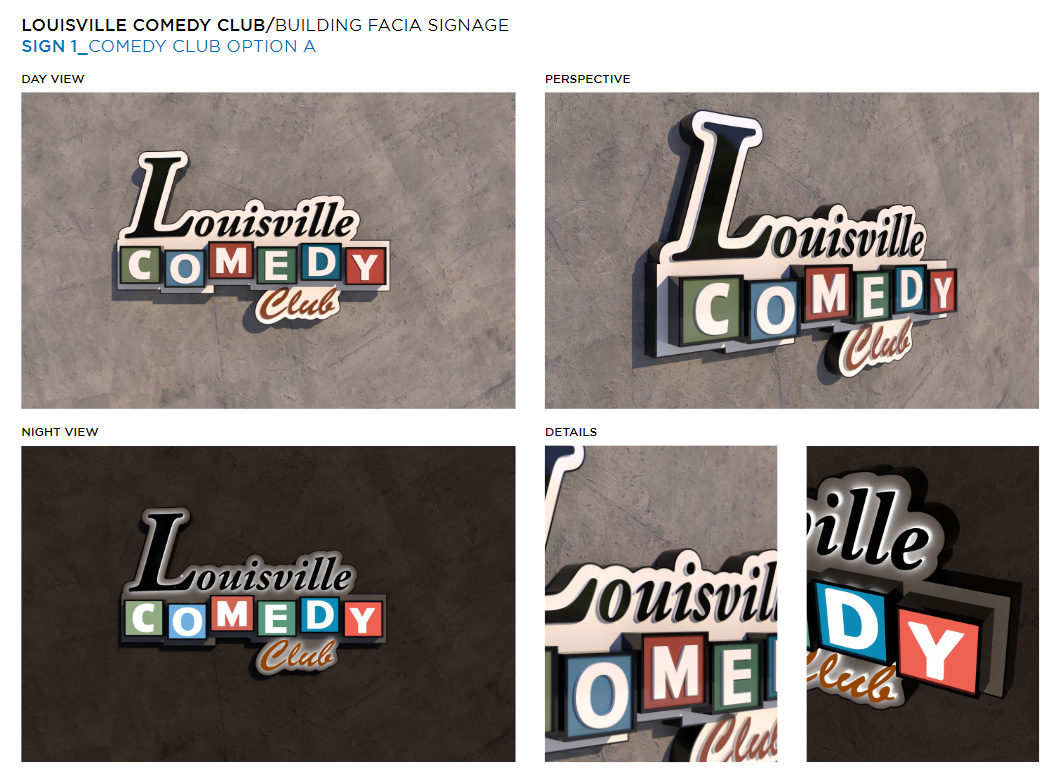
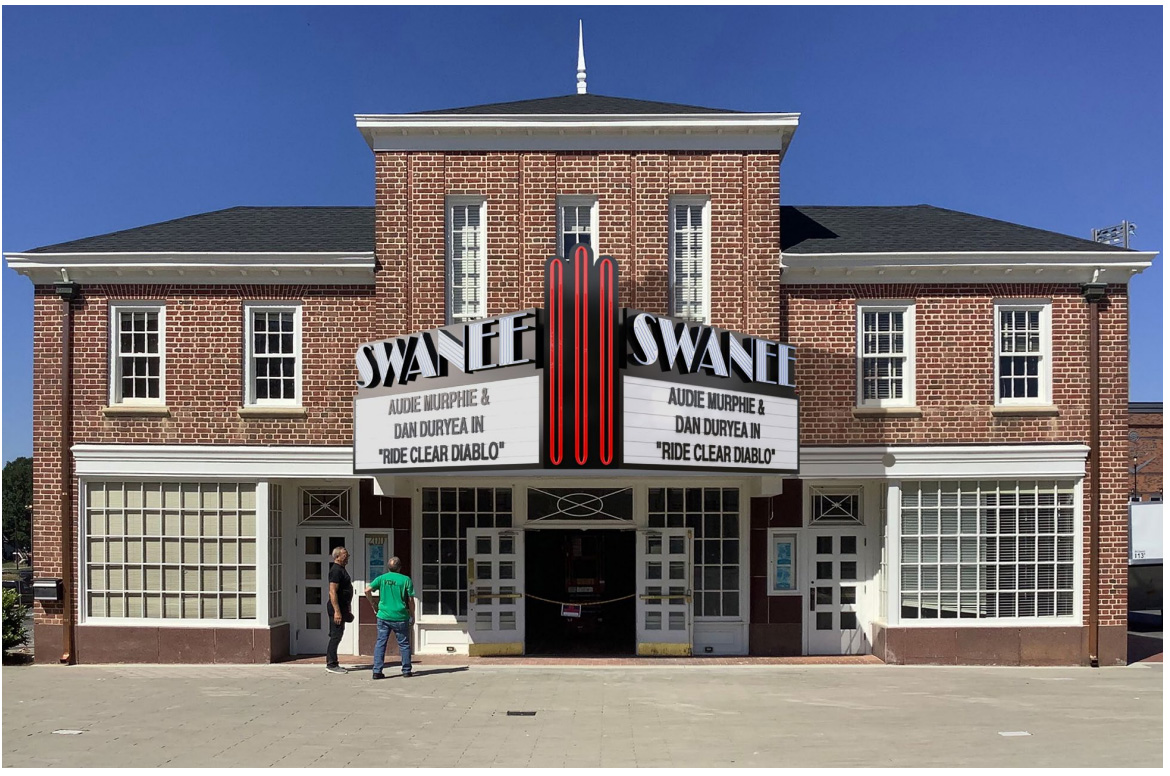
Creative Sign Layouts and 3D Renderings have long been powerful tools for:
- Showcasing the expertise of the design team
- Building client confidence
- Positioning the company as the trusted choice for high-margin projects
And they absolutely serve that purpose.
However, many sign companies still lack the operational foundation needed to turn these creative assets into true growth drivers and margin protectors.
When that foundation is missing, two things typically happen:
- Equipment increases output
- Documentation quality stays flat
The result?
Companies feel extremely busy as they grow, yet operational pressure intensifies instead of stabilizing.
Despite heavy technology adoption, workloads increase rather than become more efficient.
Meanwhile, the market opportunity remains strong. Demand in the signage industry continues to expand across retail, healthcare, hospitality, multifamily, and mixed-use developments.
The problem is not demand.
The problem is the inability to capture that demand efficiently and convert it into healthy profit due to unresolved operational bottlenecks, such as:
- Design files that do not support the full production workflow: This creates Sales–Design–Production misalignment and forces downstream corrections.
- Production files that are not fabrication-aware: Drawings require shop-floor adjustments, often caused by incomplete or inaccurate project information. Each adjustment trims the margin.
- Permits delayed due to non-compliance with sign codes or zoning logic: Revision cycles become a source of frustration, timeline compression, and margin erosion.
- Design backlog slowing down production schedules: Installation windows are disrupted, customers grow dissatisfied, and expensive equipment and crews sit idle.
These issues explain why many companies struggle to grow sustainably, even when project volume increases.
As volume rises, misalignment often follows suit.
Designers work harder. Machines run longer. But results do not scale proportionally.
The question is, why?
Valuable energy is being spent on revisions, corrections, and internal problem-solving rather than on productive, revenue-generating work.
Growth begins to feel heavy and chaotic. Margins thin out under constant operational pressure. Teams remain stuck in endless firefighting instead of building scalable systems.
The real shift happening in the industry is this:
Design is no longer just a creative function. It is becoming the operational backbone of scalable sign companies.
The companies that recognize this transition are restructuring how design integrates with permitting, engineering logic, fabrication standards, and production flow.
And that is where true, sustainable growth begins.
Why Sign Company Choose The Sign Pack
Trusted reliability. Designed for growing businesses.
From creative designs to express delivery, we enable your sign company to maximize productivity and profitability.
Margin Protection Is Becoming Strategic, Not Reactive
The most effective way to protect the margin from erosion is to address it at the design stage.
Not through reactive responses to endless revision cycles after a design has already been approved.
As we move through 2026, the landscape of the sign industry is clearly shifting:
- Projects are becoming more complex
- Timelines are tighter
- Compliance requirements are more detailed
- Municipal scrutiny is increasing
- Architectural projects are larger in scale
- Documentation requirements are expanding
- Electrical and structural compliance pressures are rising
- Client expectations are higher than ever
- Multi-location programs are more frequent
In this environment, sign companies must improve performance at every level. From proposal strategy to design production systems (the most critical layer), fabrication, permitting, and installation.
Every delay, idle period, permit setback, or prolonged revision cycle introduces hidden costs that quietly restrict company growth.
From our perspective, improving the sign design production layer creates smoother operations across the entire workflow.
When design is structured correctly, the transition into permitting, fabrication, and installation becomes significantly more predictable.
This is what prepares companies to approach the second half of 2026 with confidence rather than caution.
Here are several reasons why the design stage has become the most critical leverage point:
- Proactive Issue Identification: Carefully developed signage design identifies and mitigates potential problems early, before they impact production or permitting.
- Fabrication- and Installation-Aware Design: Designs built with fabrication and installation realities in mind prevent costly changes to materials, sizing, mounting methods, or placement later in the process.
- Design as the Foundation of Healthy Margin Protection: When high-margin projects are won, the team is already prepared to move seamlessly into permitting, production, fabrication, and installation without recurring rework or internal friction.
Eliminating Reinterpretation: Design should not stop at being a sales asset. Production teams should not need to reinterpret intent every time a project is approved. Design must translate directly into executable documentation.
When this strategic approach is embedded in your company’s operational layer, margin protection becomes proactive and sustainable.
Throughput becomes more elastic and scalable. Capacity can expand without proportional increases in chaos.
Fabrication-aware design accounts for production realities from day one. The result is fewer surprises on the shop floor and smoother transitions into manufacturing.
This approach stops the costly domino effect in which design gaps trigger production errors, which in turn cause permit delays and installation complications.
What ISA 2026 Truly Represents: The Convergence of Physical and Operational Foundations
At ISA Sign Expo 2026, innovation will be on full display across every corner of the signage industry, including:
- New fabrication technologies
- Smarter, more efficient LED systems
- Integrated workflow tools
- Advancements in materials and production efficiency
- And much more
The show floor will highlight speed, automation, and capability.
But as we have emphasized throughout this article, ISA goes beyond product innovation.
It reflects a structural shift in how sign companies grow.
What ISA 2026 truly represents is the convergence between two essential pillars:
- Physical Foundation: Equipment, fabrication capacity, LED systems, materials, production technology, etc.
- Operational Foundation: Design production systems, documentation standards, compliance and permitting logic, and workflow integration.
For years, growth was largely driven by strengthening the physical foundation.
Today, sustainable growth depends on aligning both.
The key question sign company owners and leaders should be asking during this annual industry gathering is not simply:
“What new equipment should we invest in?”
But rather:
“How do we align our operational structure to fully leverage the speed and power of modern production?”
Because without operational alignment, faster machines simply amplify inefficiencies.
With alignment, however, technology becomes a multiplier.
ISA 2026 is an opportunity to deepen our understanding of this strategic shift and apply it intentionally to build stronger, more scalable sign companies.
As an exhibitor at ISA Sign Expo 2026, The Sign Pack is excited to connect with industry professionals who are thinking beyond surface-level growth.
We look forward to:
- Hearing firsthand perspectives about the future of the sign industry
- Contributing insights aligned with the industry’s increasing complexity
- Introducing how Operational Foundation is a scalable system that empowers sign companies to grow confidently, even as projects become more demanding
The future of growth in the signage industry will not be defined solely by equipment.
It will be defined by how well physical capability and operational structure converge.
And ISA 2026 is where that conversation begins.
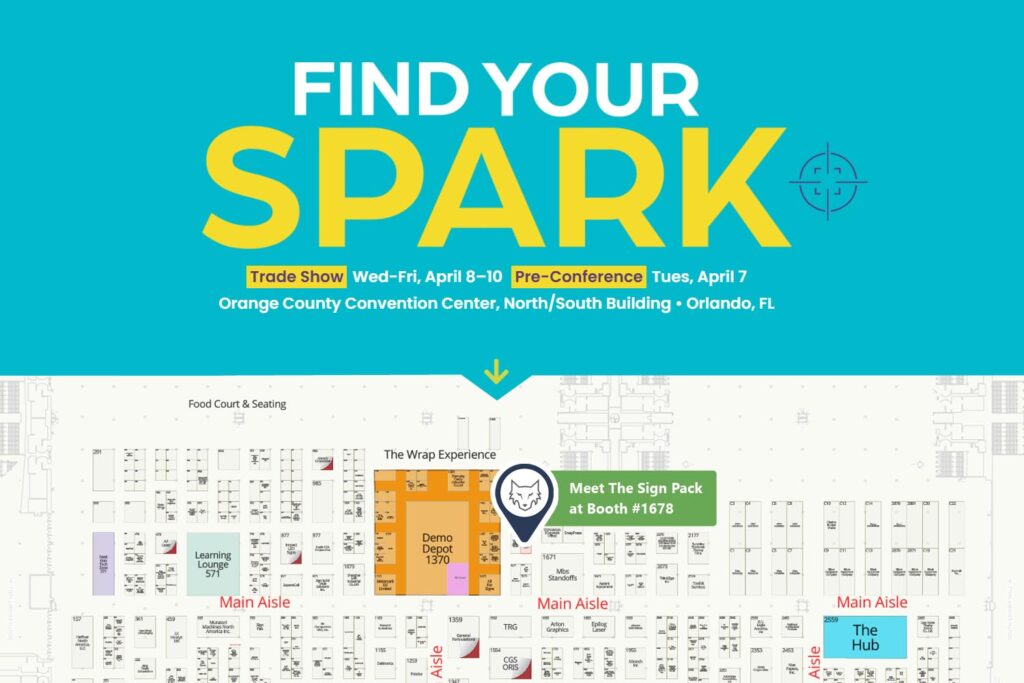
Visit The Sign Pack at booth #1678 | Floor plan image by Mapyourshow.com
Continuing the Conversation at ISA — Unlock Our Exclusive Promotion
If you’re attending ISA Sign Expo 2026 and exploring how operational alignment supports scalable growth, we invite you to connect with us at Booth #1678.
We’re excited to introduce TSP Platform 3.0, a modern infrastructure designed to integrate seamlessly into your Operational Foundation and support the convergence between physical capability and operational structure.
We believe TSP Platform 3.0 empowers sign companies to achieve greater profitability and sustainable growth in an increasingly competitive environment.
With more than 50 years of combined industry experience, The Sign Pack understands that skill gaps and limited technical depth remain major bottlenecks across the signage industry.
Design-stage issues frequently slow production and permitting when not structured correctly.
At the same time, designers with expertise in 2D layouts, 3D renderings, ADA-compliant signage, wayfinding systems, and complex multi-location programs are increasingly difficult to find.
High designer turnover further disrupts workflow consistency and operational stability.
To address these realities, The Sign Pack delivers comprehensive, specialized solutions focused on solving the industry’s most critical bottlenecks, including:
- Designer scalability
- Inconsistent file quality
- Project information errors
As an extension of your team, we provide a structured, modern support system that enables sign companies to operate more efficiently and scale with confidence.
Our approach helps businesses of all sizes increase productivity, protect margins, and strengthen profitability.
As the industry evolves, clarity and coordination are becoming strategic assets. ISA Sign Expo is the ideal environment to evaluate how those assets can support your next phase of growth.
To learn more about our participation at ISA and how to access this exclusive promotion, visit our page: