Signage technology is moving quickly past traditional uses. Today’s solutions include dynamic signage with advanced scheduling, immersive displays that go beyond touchscreens, and cloud-based systems for easy content management from anywhere. Even static signs are evolving, with energy-saving LED lighting and eco-friendly materials meeting the growing need for sustainable options.
The Sign Pack welcomes you to discover the latest developments in signage technology and learn how sign companies can adapt to them.
The global signage technology market is expanding quickly and is expected to reach USD 35.94 billion by 2026, according to Fortune Business Insights. This growth is changing how signage is designed, made, and used. The industry is shifting from static signs to dynamic systems and from simple touchscreens to engaging, contactless immersive experiences that draw people in.
Modern digital signage lets brands connect with people in real time and create personalized, immersive experiences. This helps increase how long people engage, how well they remember the brand, and overall interaction. When done right, immersive digital signage is more than just a display; it becomes a strong way to create memorable brand moments.
To stay competitive as the market changes, sign companies need to use new strategies. This means keeping up with new technology, updating design and production methods, and becoming trusted advisors instead of just selling products. The next sections will explain these technologies and show how sign companies can keep up with these changes.
Dynamic Signage with Dayparting Capabilities
More businesses are using digital signage that shows different content at different times of day, a method called dayparting.
With dayparting, you can split the day into different time blocks, each showing a unique message or playlist. Advanced systems can even automatically adjust these time blocks based on real-time data such as sales, foot traffic, or weather. This keeps signage content fresh and relevant throughout the day.
In general, the key advantages of dayparting include:
- Delivering specific messages at specific times, ensuring the right content reaches the right audience at the right moment.
- Increasing attention, brand recall, and conversion rates when compared to traditional static signage.
Even though dayparting works well, many brands still don’t use it to its full potential. Often, digital screens display the same message all day and miss opportunities to adapt for different audiences. When businesses match the right message to the right audience at the right time, engagement goes up.
For sign companies, more businesses using dayparting is a big opportunity. By helping brands use time-based content, sign companies can do more than just provide sign design services—they can become partners who help brands connect better with their customers.
| Also Read: How Local Sign Shops Can Design, Quote, and Deliver Faster |
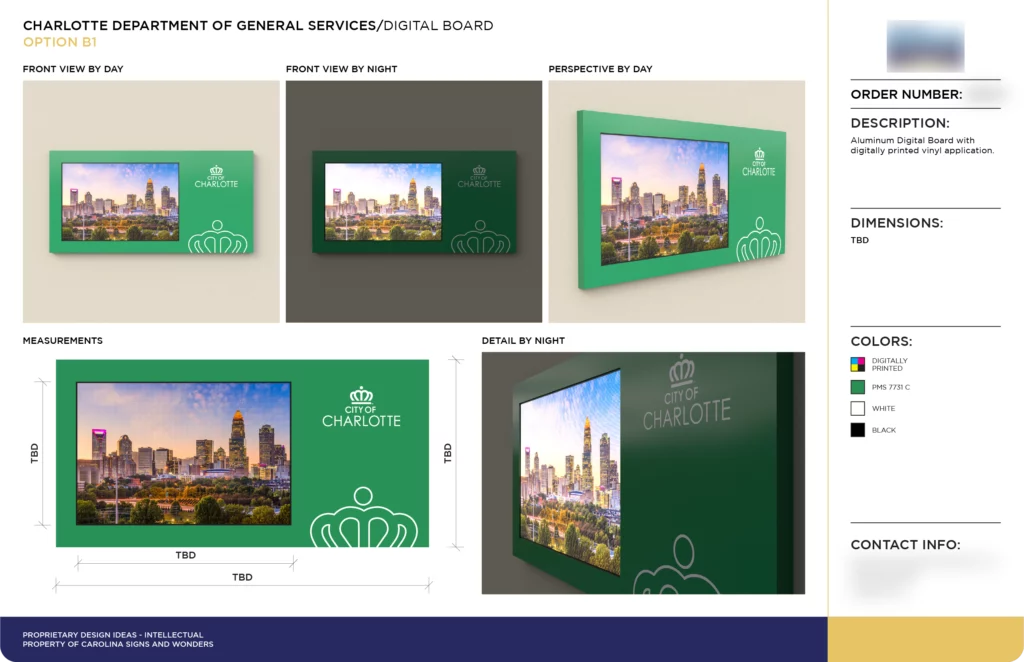
Immersive Signage Beyond Touchscreens
Interactive technology in digital signage has evolved far beyond traditional touchscreens. Today, Sensor-Based Immersive Signage Displays can deliver engaging, contactless experiences that require no physical interaction.
These systems use motion and gesture sensors to detect how people move, allowing users to interact with digital content simply by moving their hands in front of the display. This makes the experience smooth and clean, keeping people engaged.
A common example can be found in retail environments, where interactive displays allow customers to explore product features or service options tailored to their preferences. However, immersive signage is not limited to large retail brands. This technology can be effectively implemented across a wide range of sectors, including:
Public facilities and shared spaces
- Hospitality and healthcare environments
- Educational institutions
- Corporate offices and campuses
Using immersive signage brings several important benefits:
- Encourages active customer engagement by allowing users to explore products or services at their own pace.
- Creates enjoyable, memorable experiences that strengthen brand perception.
- Increases interest in products or services, supporting higher conversion potential.
- Delivers more personalized information based on user behavior, providing valuable insights for businesses.
Immersive signage can be customized for different business goals, including:
- Corporate events
- Product launches
- Customer education and surveys
- Experiential marketing initiatives
- Seasonal campaigns
- And more
When used in the right setting, immersive signage can turn physical spaces into interactive and memorable experiences. Combining advanced technology with good design makes a strong visual impact that sticks with people.
Companies can deliver innovative solutions that build brand awareness through digital displays. By combining signage expertise with strategic design, they help brands capture audience attention and communicate messages effectively in busy urban environments.
| Also Read: Signage Design Best Practices That Capture Customers Attention |
Why Sign Company Choose The Sign Pack
Trusted reliability. Designed for growing businesses.
From creative designs to express delivery, we enable your sign company to maximize productivity and profitability.
Cloud-Based Signage with Content Scheduling Features
Cloud-based signage refers to digital display systems that enable remote content management and real-time updates through an internet connection. This technology has become an ideal solution for businesses operating signage across multiple locations.
Cloud-based platforms have changed how companies handle digital signs in many places. Teams can now update, schedule, and send out content to all locations at once, from anywhere, without needing to do it by hand at each site.
Unlike traditional digital signage systems that rely on offline playlists and standalone media players, cloud-based signage operates with internet connectivity and built-in failover capabilities. This means content can continue playing locally if the network connection is interrupted, while updates and data synchronization occur automatically once connectivity is restored. This hybrid approach ensures reliability without sacrificing flexibility.
Key advantages of cloud-based signage technology include:
- Centralized, real-time control of content updates and scheduling across multiple locations.
- Offline playback capability with automatic content synchronization when the system reconnects to the internet.
- Reduced operational overhead, allowing businesses to focus on creating fresh, engaging content rather than managing manual updates.
For sign companies, advancements in cloud-based signage open new opportunities for large-scale collaboration with national and global brands that require a high volume of visual assets and consistent brand execution. By offering cloud-enabled signage solutions, sign companies can position themselves as strategic partners in digital brand communication.
This approach allows sign companies to combine their signage expertise with digital technology to help brands cut through visual clutter, capture audience attention, and deliver clear, effective messaging in busy urban environments. When design, technology, and deployment strategy align, cloud-based signage becomes a powerful tool for building brand awareness at scale.
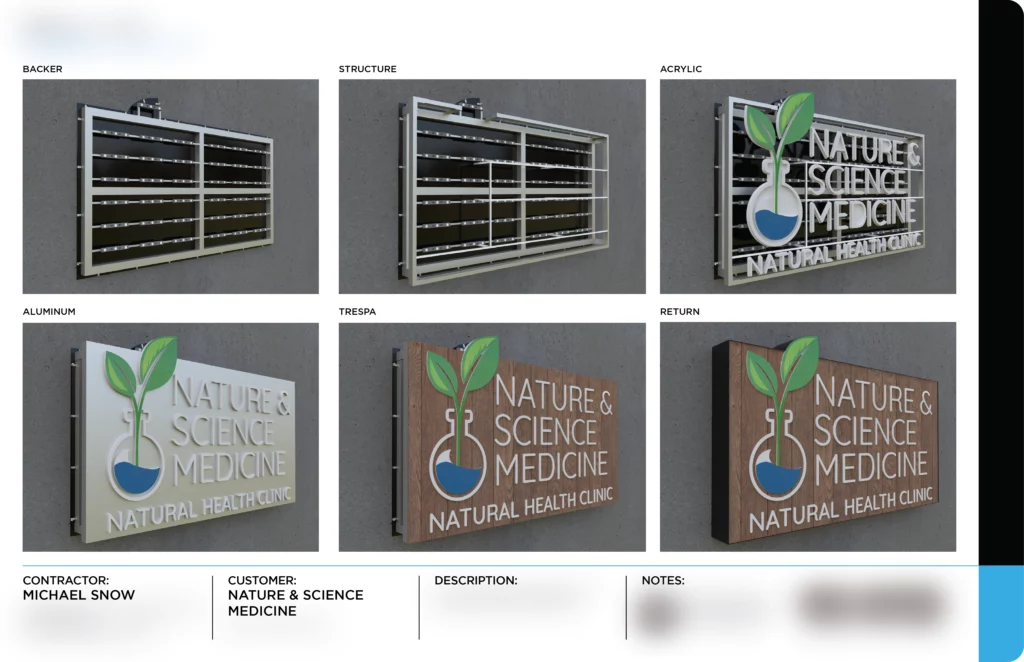
LED Technology and Sustainability Signage
While dynamic signage technologies continue to advance rapidly, innovation in static signage has also made significant progress. One of the most notable developments is the growing adoption of LED technology combined with environmentally responsible materials to support more sustainable signage solutions.
The use of LED technology and eco-friendly materials in static signage continues to increase for several essential reasons, including:
- Rising awareness around reducing carbon footprints and achieving energy savings of up to 80% through LED illumination.
- Increased social and market-driven pressure to prioritize recyclable and environmentally responsible materials.
- Manufacturers are transitioning toward recyclable substrate materials, water-based inks, and low-VOC (Volatile Organic Compounds) adhesives.
- A growing number of projects are evaluating the full lifecycle impact of signage, from material sourcing and fabrication to end-of-life recovery and disposal.
The combination of energy-efficient LED technology and sustainable material choices has given rise to Sustainability Signage, an approach that is becoming increasingly important for the industry’s future and the planet’s well-being.
Sustainability signage is no longer optional. In 2025, it has become an industry trend and a core client expectation. This shift reflects what we previously highlighted in our article, Top Signage Industry Trends from ISA Sign Expo 2025. Clients now expect signage solutions that balance visual impact, performance, and environmental responsibility.
For sign companies, meeting these expectations is a big advantage. They can stand out by offering smart designs, choosing the right materials, and recommending the best ways to install signs. This means looking at everything from materials and finishes to lighting and mounting, making sure it fits both sustainability and performance needs.
Design teams need to think about how signs perform and their environmental impact, without losing visual quality or long-term value. They also have to make sure all technical details meet local codes and rules for where the sign will be installed.
That’s why sign companies need to be skilled at making accurate technical drawings and documents for permits in different areas. Meeting both sustainability goals and legal requirements helps sign companies become trusted partners in today’s regulated, eco-focused market.

How The Sign Pack Delivers Professional Design Support for Scalable Digital Signage Projects
No matter how advanced signage technology becomes, sign companies remain essential for creating professional, high-impact designs. Their role is more important than ever.
Cloud-based signage, AI-powered systems, and sensor technology can’t deliver real business results without experienced sign professionals. Technology alone isn’t enough—strategy, design skills, and industry knowledge make the difference.
Sign companies are key to how signage technology grows and works in the market, for several reasons:
Design complexity continues to increase while market demands shift faster than ever.
Digital signage regulations vary widely from city to city, requiring strict compliance with local codes and permitting requirements.
Technological advancements have little value without expert teams capable of translating them into effective, relevant signage designs.
Digital signage implementation requires continuous content updates and audience-specific personalization to remain effective.
As signage technology changes, sign companies face more challenges and opportunities. Even with rapid advances in AI and automation, big brands still rely on professional teams to achieve the best results from their signage.
That’s where The Sign Pack comes in as a design partner, not just a vendor. We act as an extended team for sign companies, supporting everything from professional signage design to high-quality 3D presentations used for pitching and securing new clients.
Backed by a team of 100+ professional designers with deep expertise in the signage industry, we deliver consistent, scalable, and production-ready design solutions that help sign companies compete at a higher level.
Want to learn more about what we offer? Talk to our expert team today.