Effective signage design is about capturing a customer’s attention within three seconds.
In today’s business landscape, customers are constantly exposed to visual distractions, making it more challenging for signage to stand out.
Attractive design alone is not enough. Signage must be visually appealing, highly effective, and able to communicate a message quickly and memorably.
Signage is a valuable marketing asset that requires a complex process, including design, production, permitting, and installation. Without proper planning, this substantial investment can lead to unnecessary operational expenses.
To help business owners translate theory into practice, here are a few initial action steps:
- Assess your current signage for effectiveness.
- Consult with a signage expert to understand best practices.
- Consider conducting a site survey to determine optimal placement.
In this article, The Sign Pack shares practical signage design best practices to capture customer attention.
What are the key points you should focus on? Let’s break them down.
Communicate a Single, Clear Message
Signage should communicate a message effectively so potential customers can notice, recognize, and remember it.
To achieve this, the sign should not be overcrowded with text or unnecessary decorative elements. You need a clear, focused message, supported by a strong visual hierarchy, so audiences can understand it quickly and create a memorable first impression.
Trying to convey multiple messages on a single sign makes it difficult for viewers to identify the main point. In many cases, they may disengage before reading the entire sign.
Key takeaways:
- Keep each sign focused on one core message.
- A concise message allows audiences to absorb information within a matter of seconds.
- Difficult-to-understand signs reduce their effectiveness at attracting potential customers.
The effectiveness of signage also relies on other factors such as visual hierarchy, visibility, and placement. For a deeper explanation, we have covered these in detail in our article What Makes Effective Signage Design? Expert Tips & Methods.
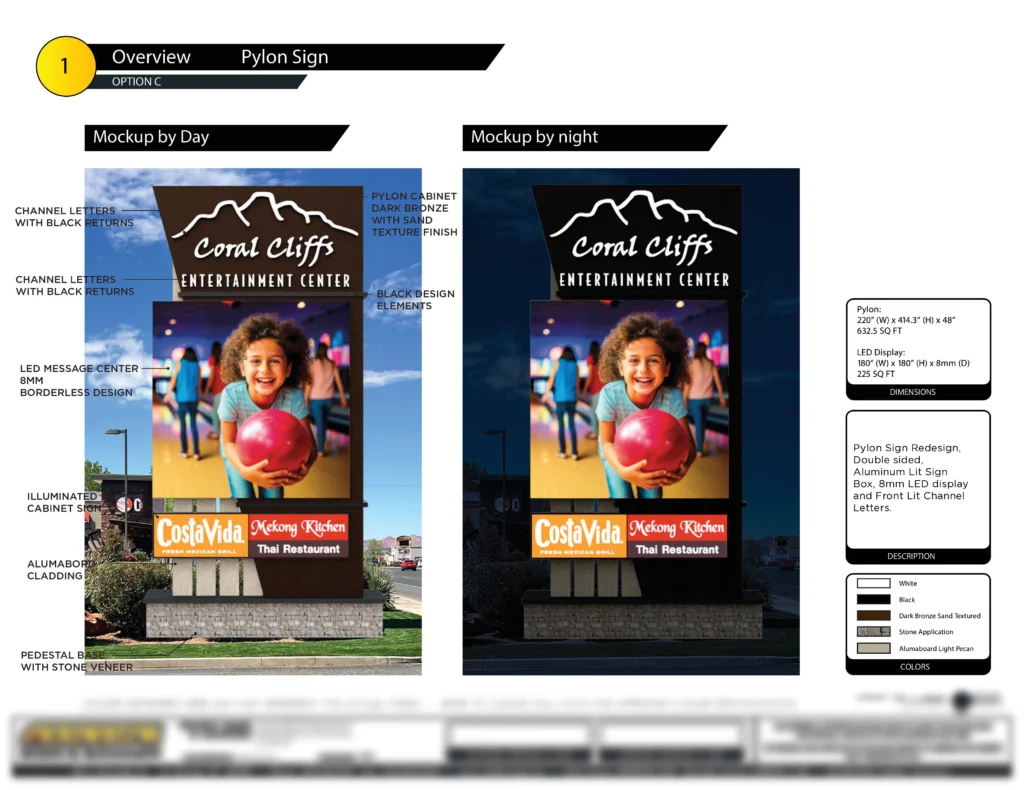
Use Fonts That Are Easy to Read
Readability and legibility are non-negotiable elements in effective signage design.
Readability refers to how easily the overall text can be understood, while legibility refers to how clearly each individual character can be recognized.
Sans-serif fonts generally offer optimal readability for signage. Common choices include Helvetica and Arial.
However, readability is also influenced by several external factors such as placement, viewing distance, the speed at which viewers pass by, and the surrounding environment.
Here are the key takeaways to ensure your signage is easy to read:
- Adjust the letter height based on the viewing distance and the speed of your audience. A common rule is to use at least 1 inch of text height for every 25 feet of viewing distance.
- Make sure the sign is positioned within a natural line of sight and is not obstructed.
- Use proper color contrast to improve legibility and strengthen visual clarity.
- Avoid placing signage in areas with excessive glare or harsh lighting, as it can make the text difficult to read.
- Overly decorative fonts reduce legibility and limit the sign’s impact.
It’s important to remember that both readability and legibility are critical to communicating your message to your audience. Blending these principles with unique, intentional creativity helps attract attention and increase customer interest.
You can explore more about the fundamental principles of Effective Signage Design That Drive Business Impact in our previous article.
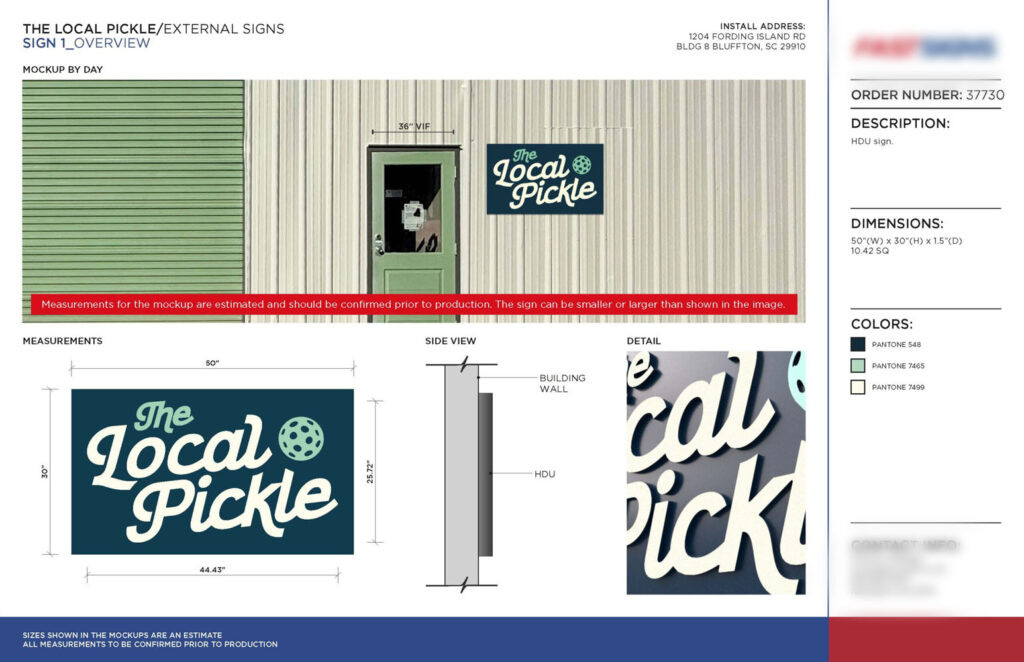
Strong Real-World Visibility
No matter how well a sign is designed, it will not deliver business results if it lacks visibility in its actual environment.
There is no doubt that environmental conditions significantly influence a sign’s performance. The better its visibility, the greater the business results it can generate.
A study by the University of Cincinnati, The Economic Value of On-Premise Signage, found that business signage consistently delivers positive impacts on sales, transaction volume, and overall profitability.
The study also reported that approximately 60% of businesses saw an average increase of around 10% after upgrading or refreshing their signage.
To ensure your signage maintains strong readability and visibility in real-world conditions, consider the following key points:
- Conduct a site survey before starting any signage project to determine the most effective format based on on-site conditions.
- According to the International Sign Association, signage placed perpendicular to the roadway often offers better visibility than signs installed parallel to traffic.
- Consider adding illumination to enhance visibility during nighttime and in various weather conditions.
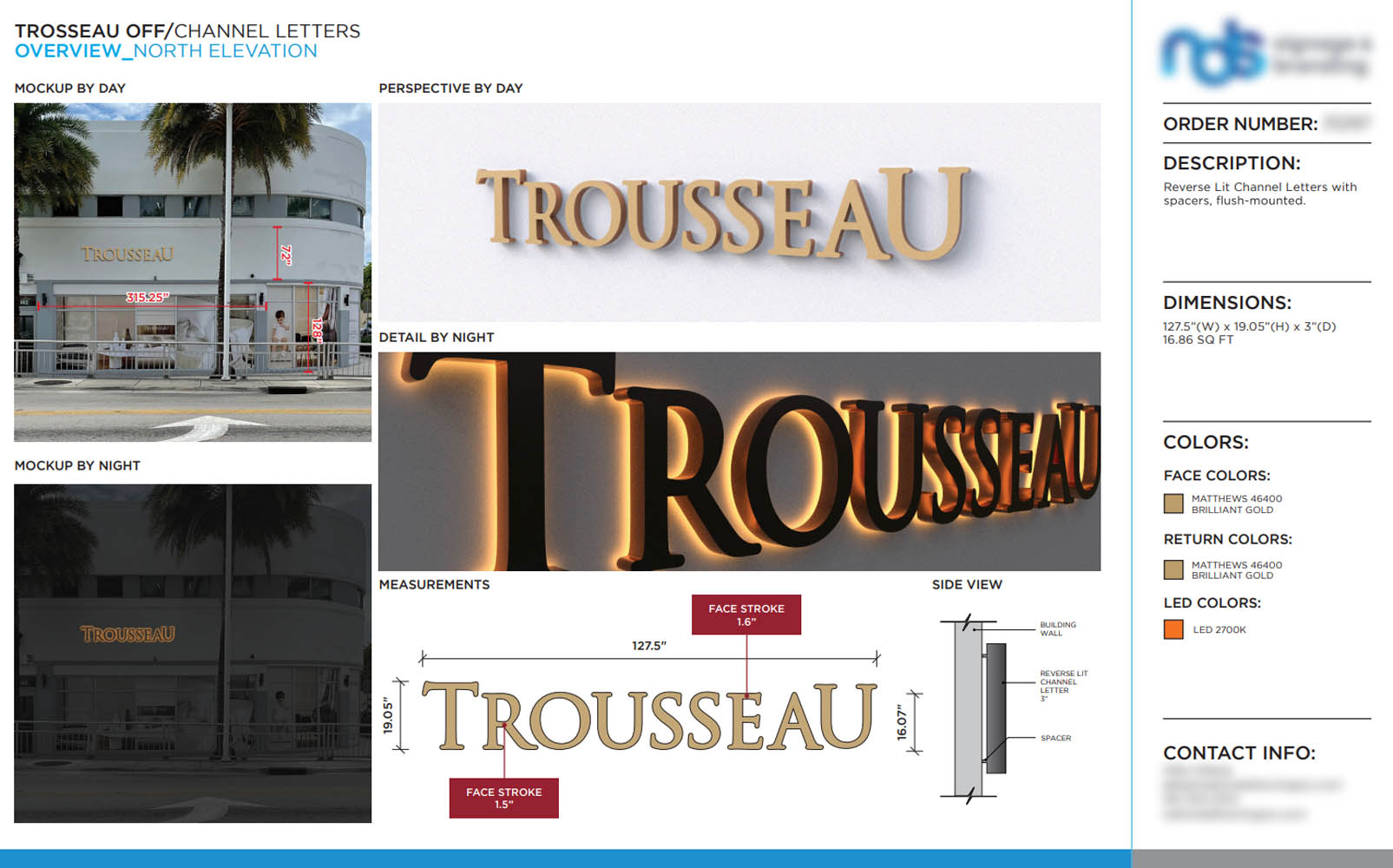
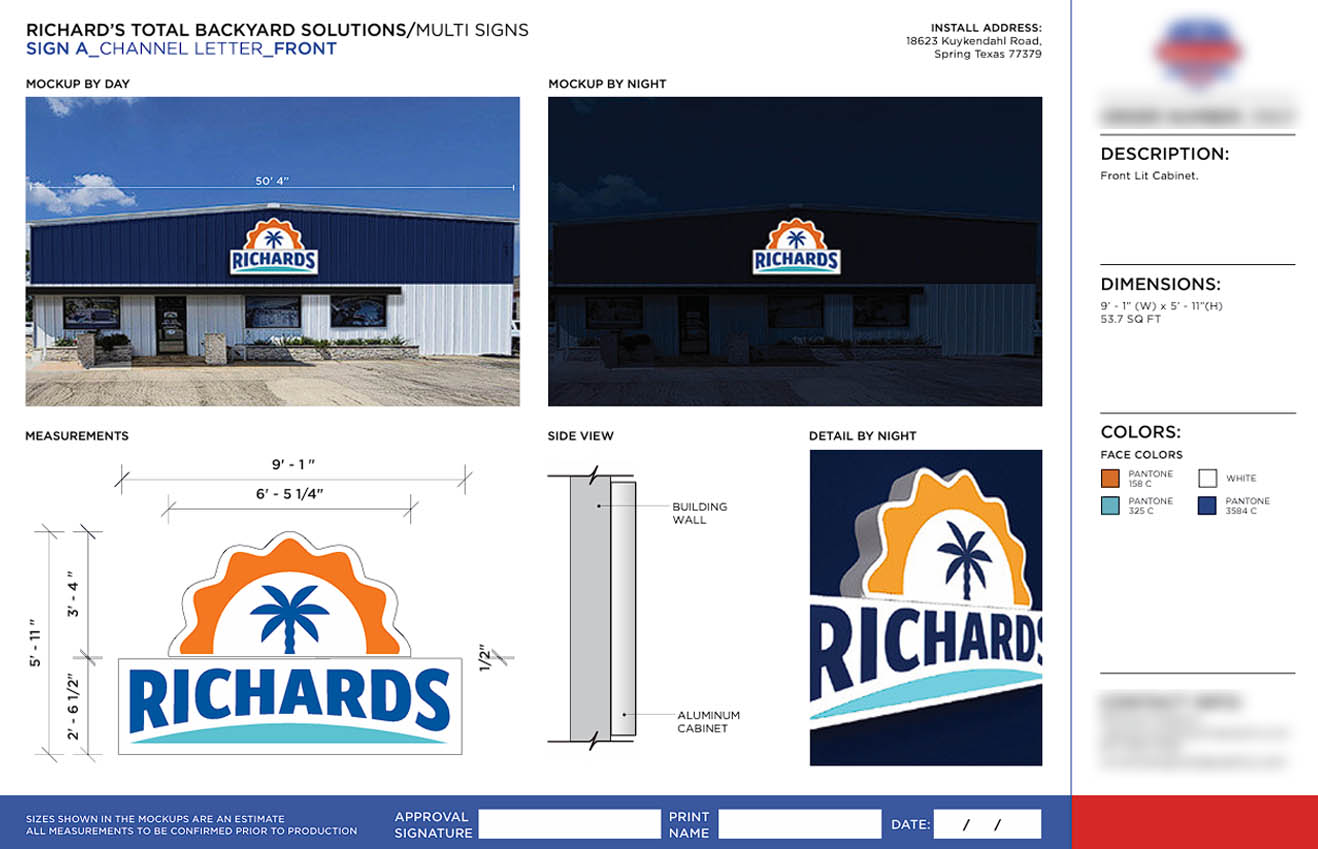
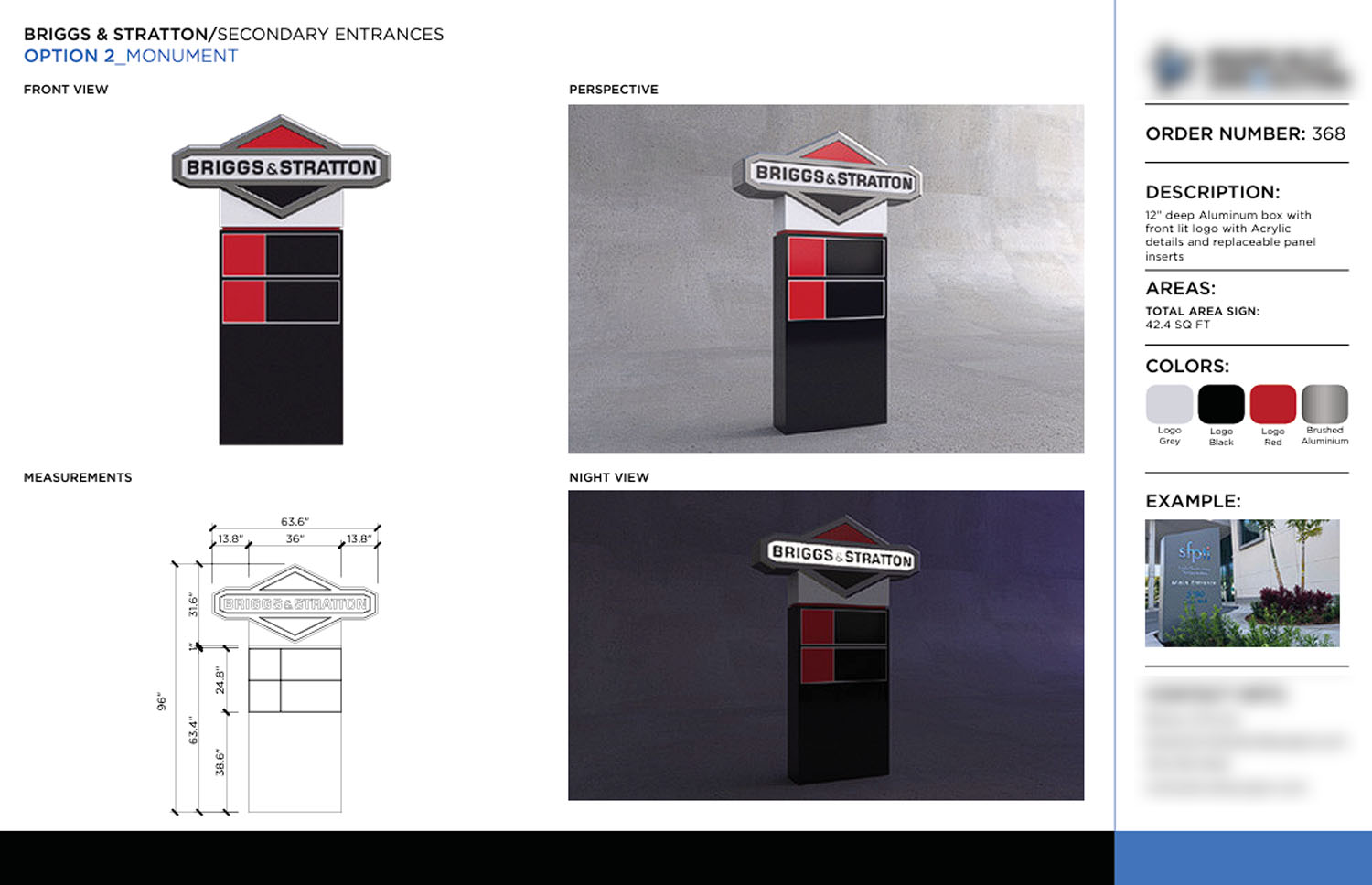
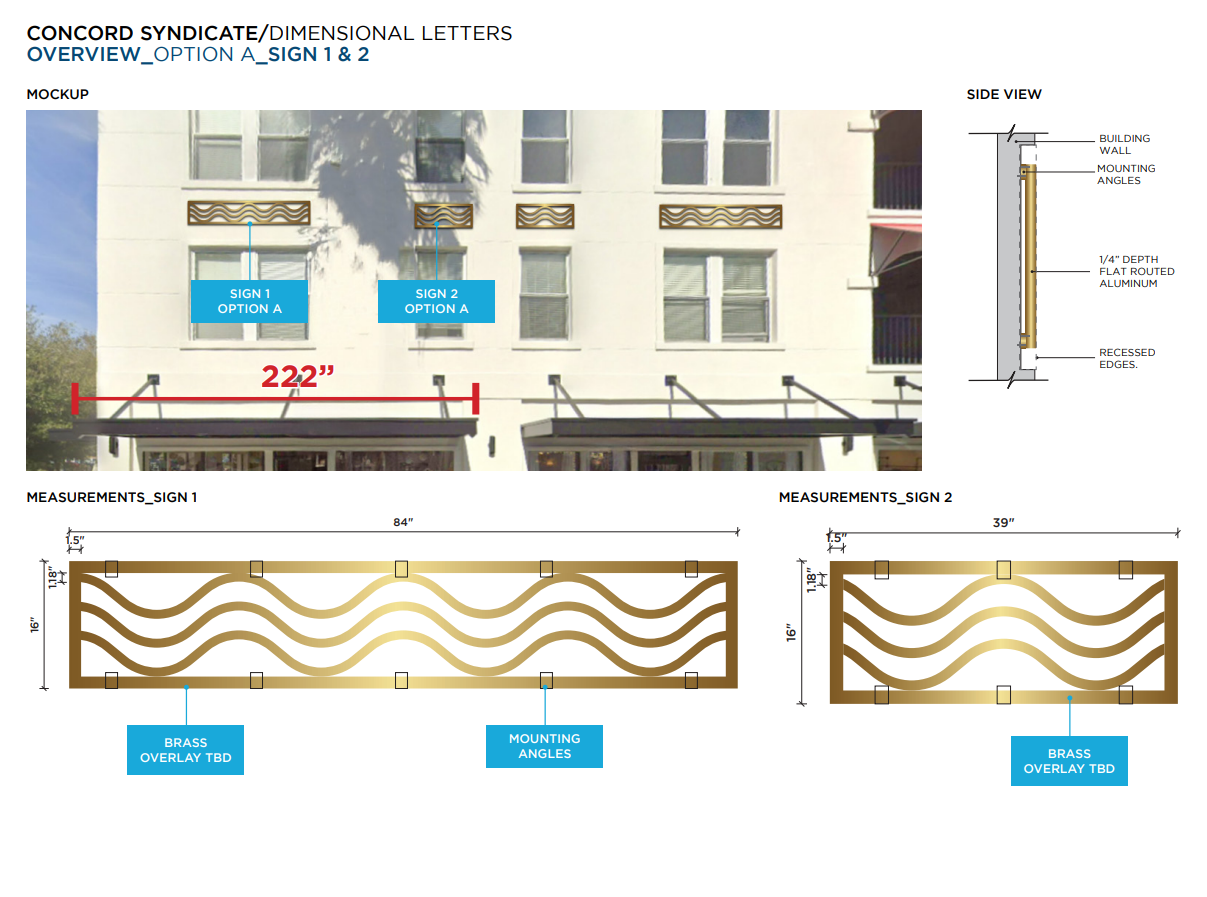
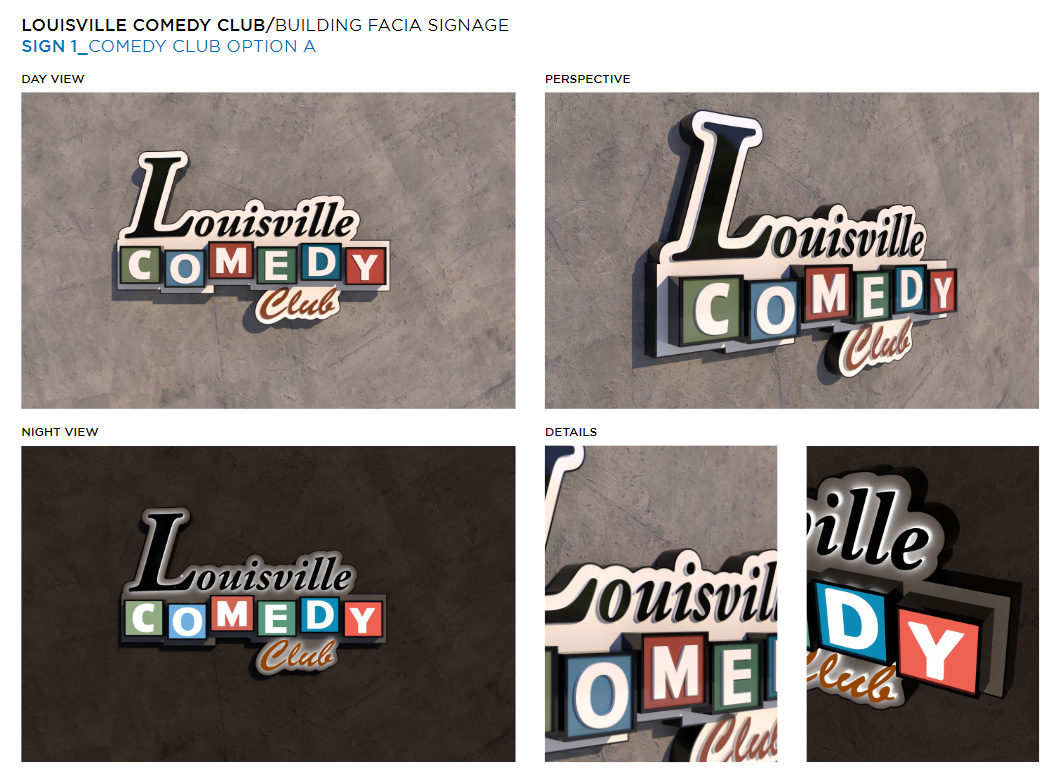
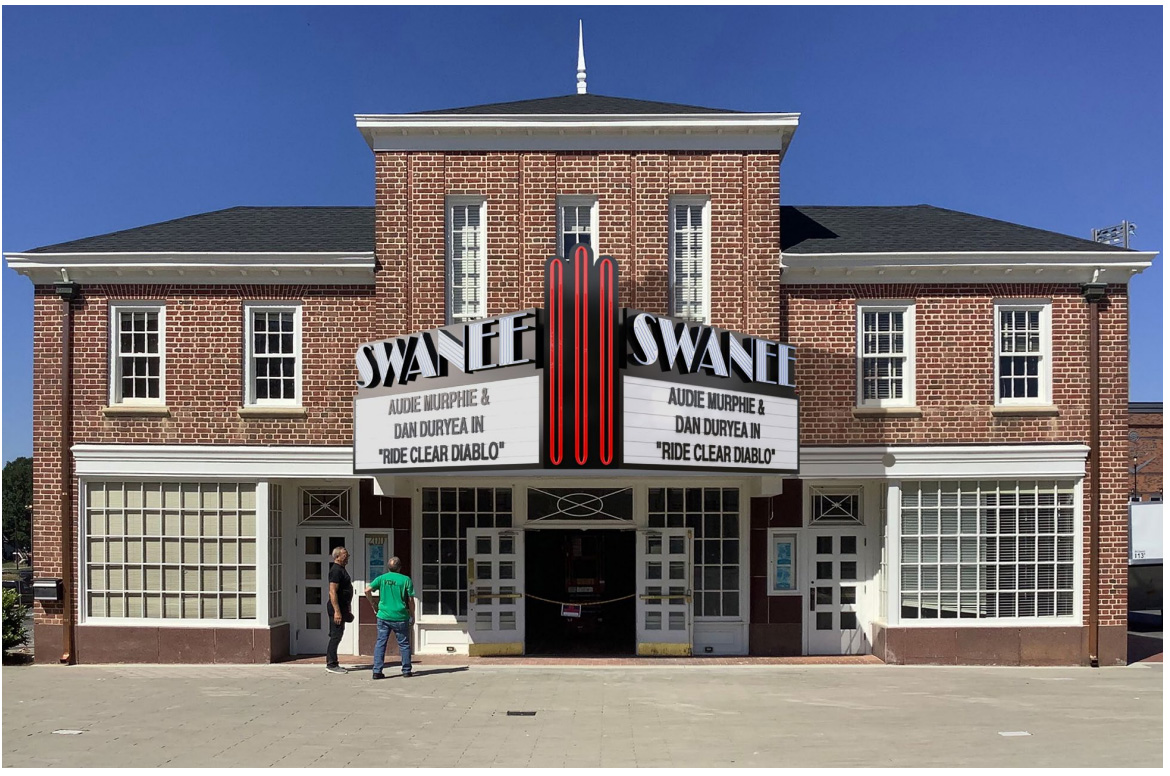
- Create a 3D rendering of your proposed sign design to see how it will look once installed at its intended location.
- Evaluate your signage directly in the environment where it will be installed. Take into account viewing angles, distance, lighting conditions, and potential obstructions. Working with experienced industry professionals can greatly improve the final outcome.
Creating effective signage that attracts customer attention involves multiple stages: collaborating with industry experts, conducting thorough research, planning and design, permitting, and installation.
Because signage is a significant investment, having a clear understanding of the process will help ensure the results meet your expectations.
We’ve written a detailed article on Signage Production Process Best Practices that serves as a helpful guide for sign makers and business owners.
Why Sign Company Choose The Sign Pack
Trusted reliability. Designed for growing businesses.
From creative designs to express delivery, we enable your sign company to maximize productivity and profitability.
Brand Consistency
Maintaining brand consistency across all signage strengthens brand recognition and creates a cohesive visual identity. Signage is a critical marketing asset that extends your brand. Consistent and professional signage makes it easier for customers to recognize and remember your business.
This contributes to what is known as Mental Availability—the ability of your target audience to recall and identify your brand instantly.
Below are the key takeaways to ensure strong brand consistency and reinforce Mental Availability:
- Use your branding elements consistently, including logos, colors, typography, and overall design style.
- Apply a consistent visual style across all signage to reinforce your “visual voice” and strengthen brand memory.
- Maintain consistent typography, color psychology, and visual elements to communicate your brand story without relying solely on text.
Brand consistency in signage is essential for success in today’s digital landscape.
According to a FedEx survey, 76% of American consumers entered a store they had never visited before solely based on its signage. Even more compelling, 68% purchased a product or service because the signage captured their attention.
These findings highlight that investing in high-quality, well-designed signage is a strategic decision. This is especially true for global brands operating across multiple regions that must maintain consistent brand representation everywhere.
We will discuss this topic further in our article Signage Quality Control Best Practices for Global Companies.
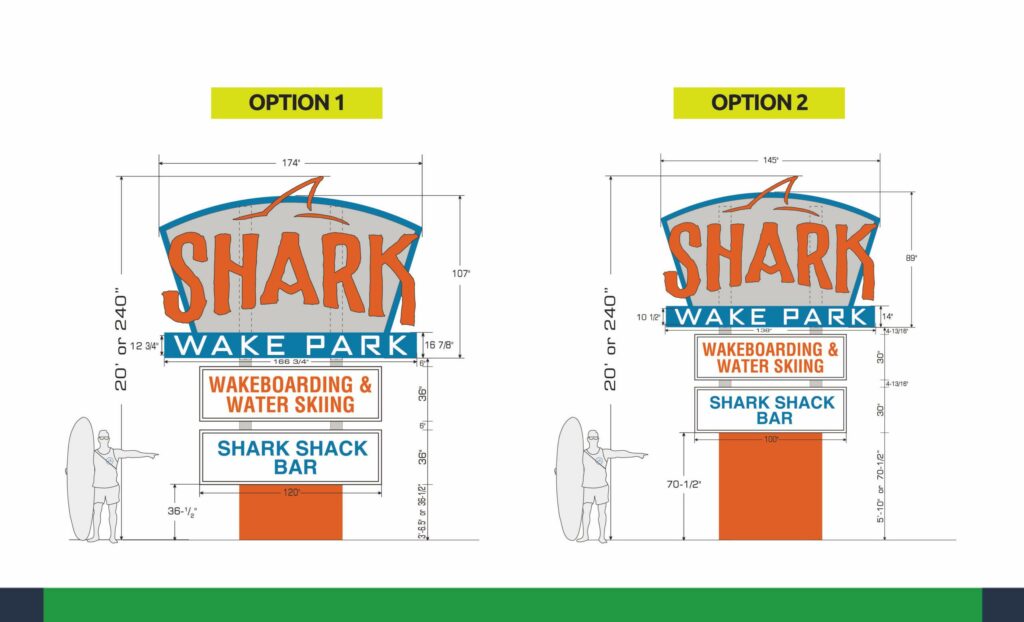
Balanced Composition of Visual Elements
One of the most essential rules for creating impactful signage is maintaining a balanced composition of visual elements.
The Sign Pack has emphasized the importance of composition across several of our previous articles. This includes critical design components such as:
- Branding elements or decorative accents
- A focused core message
- Color contrast
- Adequate white space
These components should work together in harmony. When one element outweighs the others, it diminishes the sign’s effectiveness.
For example, white space is crucial to prevent the design from feeling cramped, cheap, or amateurish. It also plays an important role in readability and even simplifies the installation process.
Here are the key takeaways to help you achieve optimal signage performance through balanced composition:
- Use proportional white space between text, logos, and surrounding decorative elements.
- Maintain proper spacing between elements to avoid visual clutter or distractions once the sign is installed in a real environment.
- Define the sign’s primary purpose and prioritize the core message to avoid overcrowding.
- Limit the use of fonts to a maximum of 2 for a more professional, visually harmonious composition.
- Scale the logo appropriately to enhance the design without overpowering the primary message.
- Follow industry standards by maintaining a minimum color contrast ratio of 65%, in alignment with the ICC A117.1 2025 guidelines that will take effect in 2027.
- Ideally, keep wording to three to five words and avoid excessive use of capital letters.
Balancing visual elements creates a professional, user-friendly signage experience that helps audiences absorb information more quickly.
The Sign Pack’s expert team recommends maintaining 25-35% white space for optimal readability.
This concludes our best-practices guide to designing signage that captures customer attention and drives business impact. We’ve compiled insights from credible industry sources and the extensive experience of our expert team.
Whether you’re a business owner or part of a local or national sign shop, staying up to date on the latest signage design best practices is essential to achieving strong results.
Partnering with a company that specializes in the sign industry also plays a crucial role in producing consistent, high-quality signage designs.
When selecting a signage partner, consider their level of experience, portfolio of past projects, and the range of services they offer. A good partnership will have proven expertise, a diverse collection of successful signage projects, and comprehensive services from design to installation.
Working with The Sign Pack allows your agency to enhance productivity and scale efficiently without increasing your internal headcount.