The production and fabrication of signage involve several distinct and complex stages, each playing a vital role in achieving a high-quality final result. These stages include:
- Consulting with an expert team
- Comprehensive research for signage specifications
- Design process by an experienced team
- Material selection
- Permitting process
- Production and fabrication
- Maintenance
Every step in the sign-making process should adhere to industry best practices. This ensures your signage is more effective, durable, and delivers a strong, positive impact on brand visibility in any environment.
Did you know?
To ensure your signage stands out and captures the attention of potential customers, it is important to apply key best practices, such as:
- Delivering a clear, focused message on each sign
- Using fonts that are easy to read
- Maximizing visibility in real-world settings
- Maintaining consistent branding elements
- Balancing visual elements effectively
- Partnering with experienced professionals for optimal results and an efficient permitting process
We explore these guidelines further in our article, Signage Design Best Practices That Capture Customers’ Attention.
In this article, The Sign Pack shares our expertise on creating effective signage, from initial concept to final production.
Drawing on more than 50 years of experience, we will highlight key insights into the signage creation process for businesses.
Step 1: Collaborate With Experienced Experts
The first step to successful signage for your business is to collaborate with a team of experienced experts.
Why is this important?
The process of creating signage for a business or institution requires significant time and investment, from design and permitting to production and maintenance.
If your company is planning to produce signage, particularly for large-scale projects, partnering with experienced professionals is essential.
This approach ensures effective, high-quality results while streamlining the permitting, fabrication, and installation processes.
This helps you avoid costly redesigns caused by fabrication limitations or local regulatory requirements.
For your reference, The Sign Pack is a signage design partner with three essential areas of expertise:
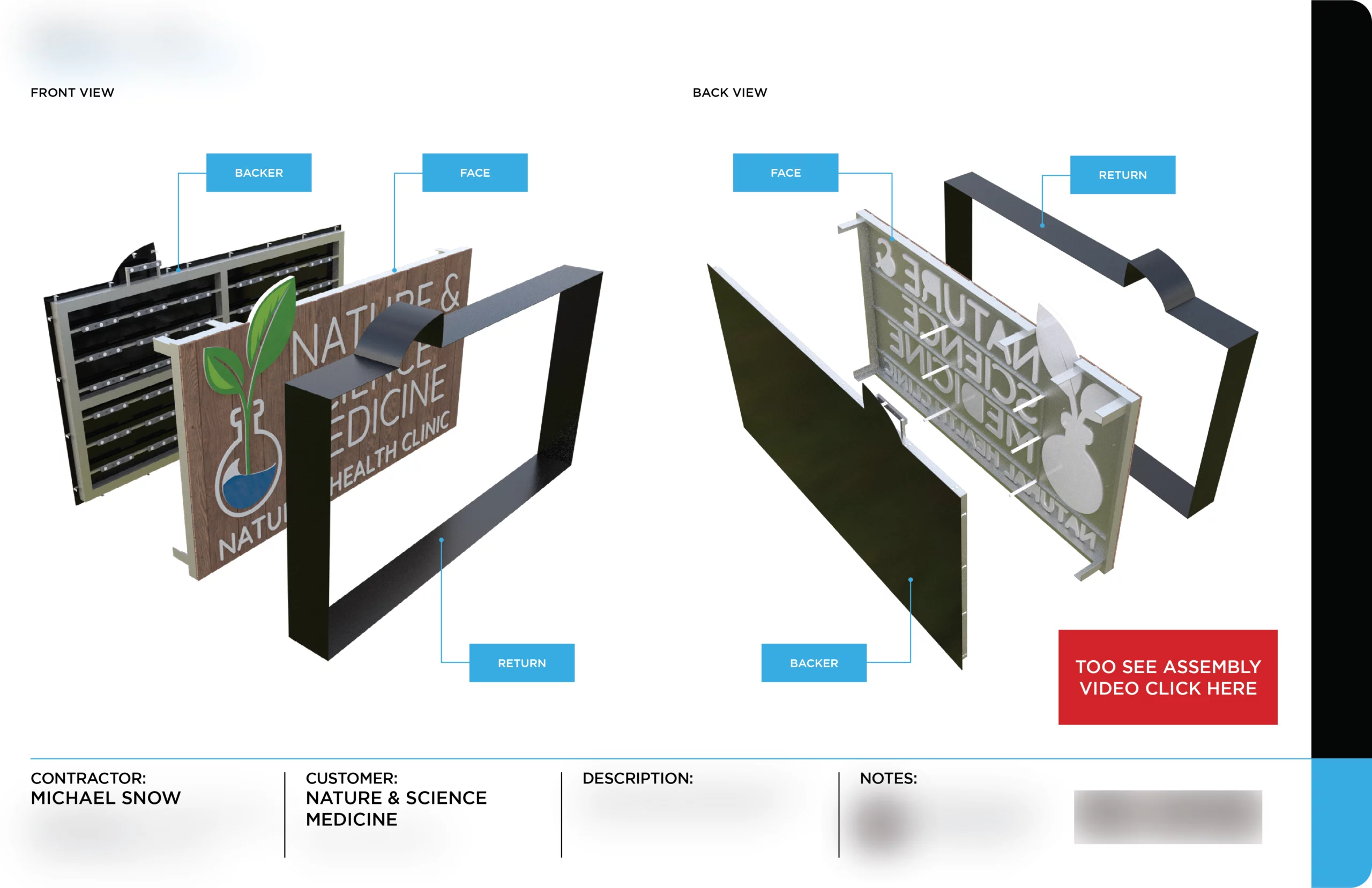
Pre-Production Files
We develop signage designs that combine creativity and professionalism with a deep understanding of fabrication and installation requirements. This approach streamlines the production process and reduces the likelihood of costly rework.
From initial layout to final file delivery, we approach every project from a sign maker’s perspective. Our design process incorporates production and installation considerations from the outset, resulting in fewer surprises during fabrication and a seamless transition from design to shop floor.
You may refer to Pre-Production Files for further details.
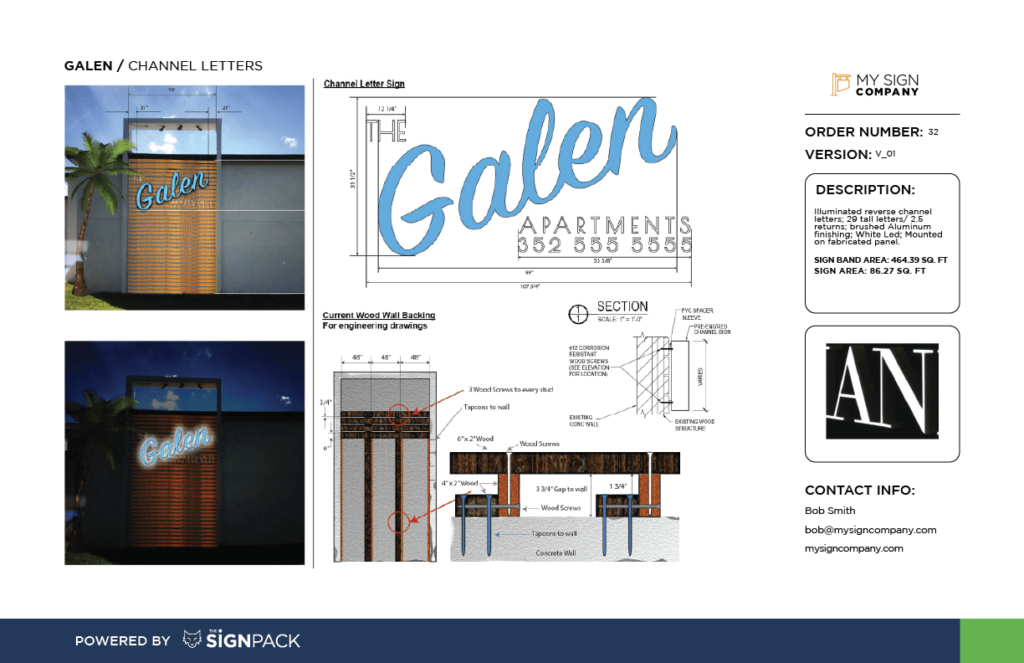
Permit Drawings
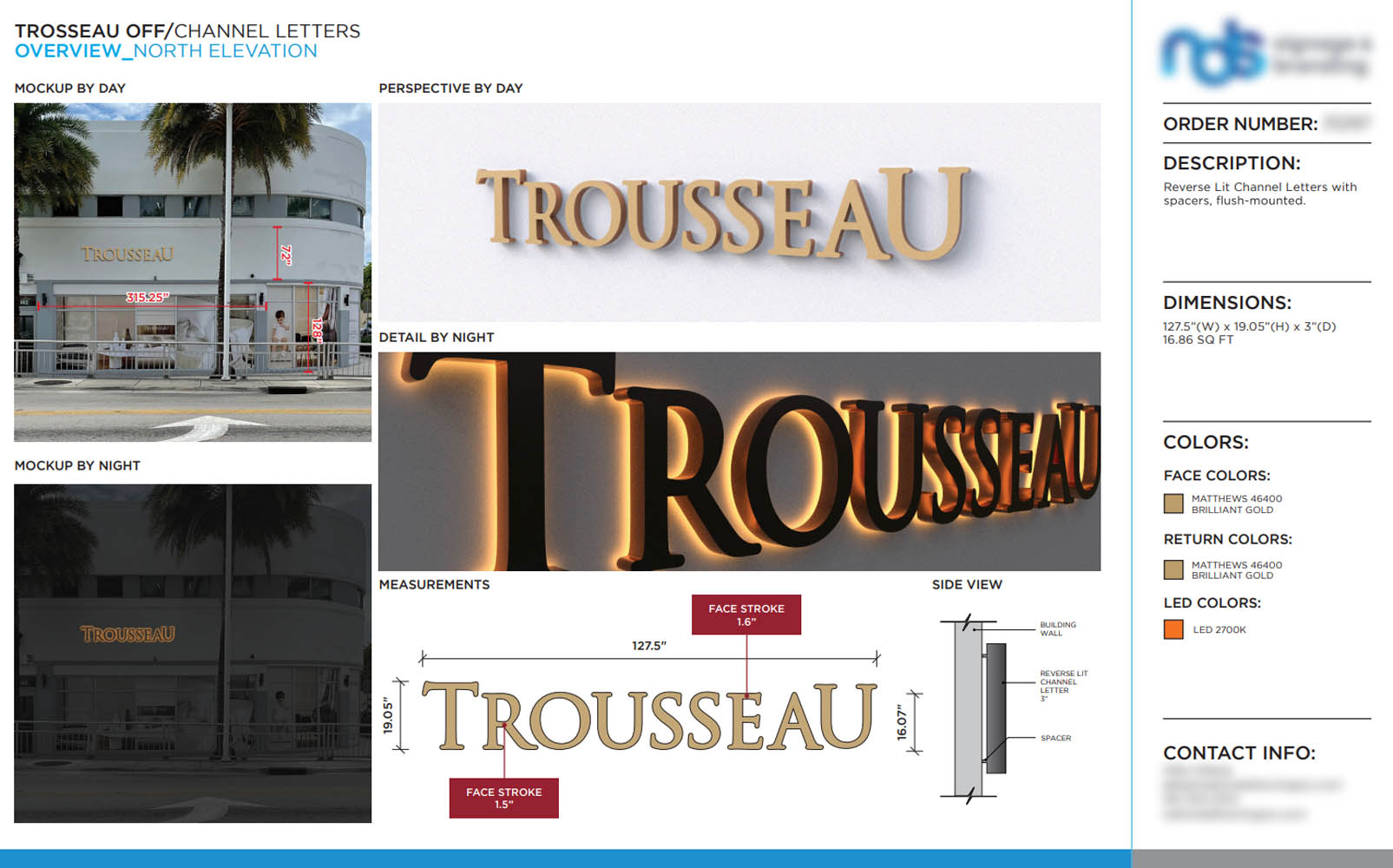
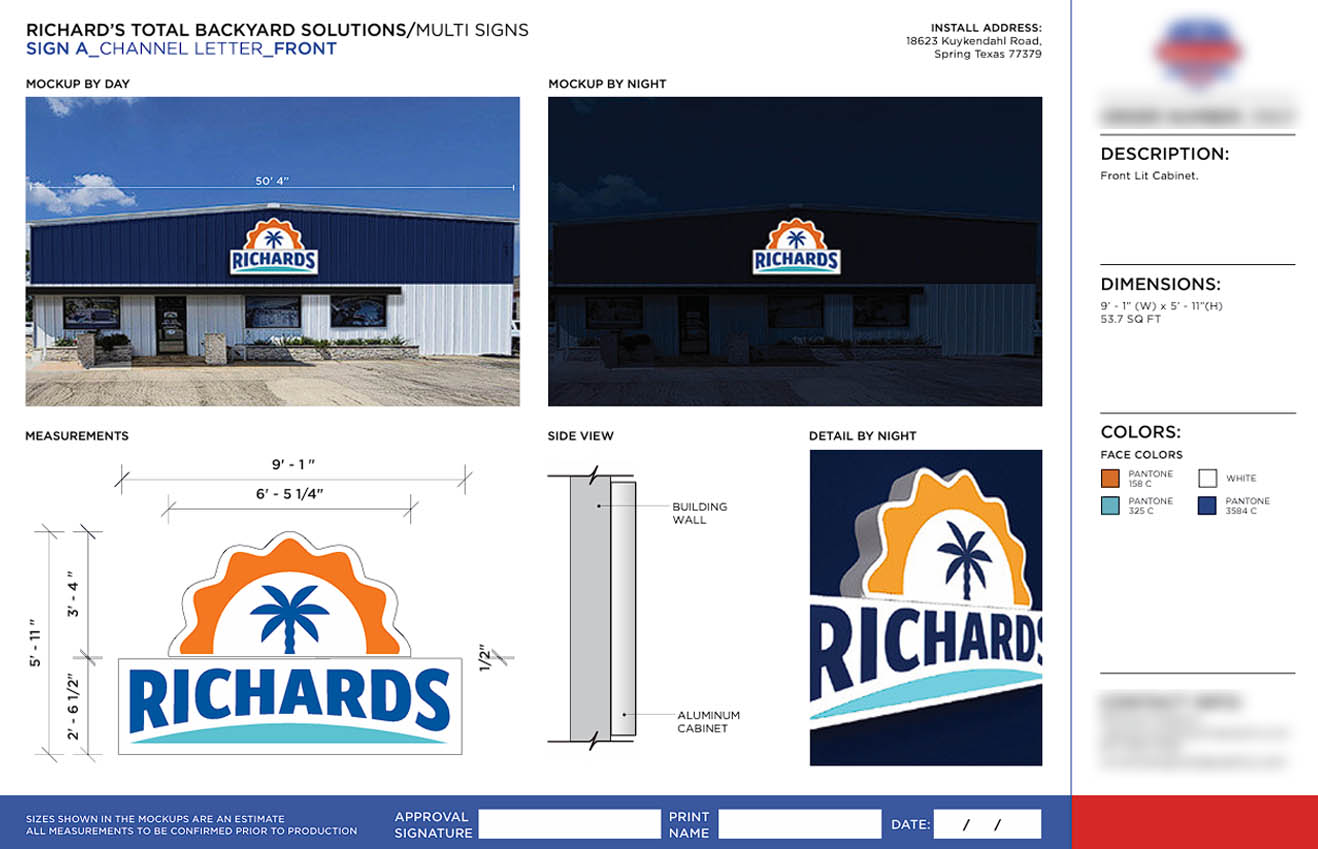
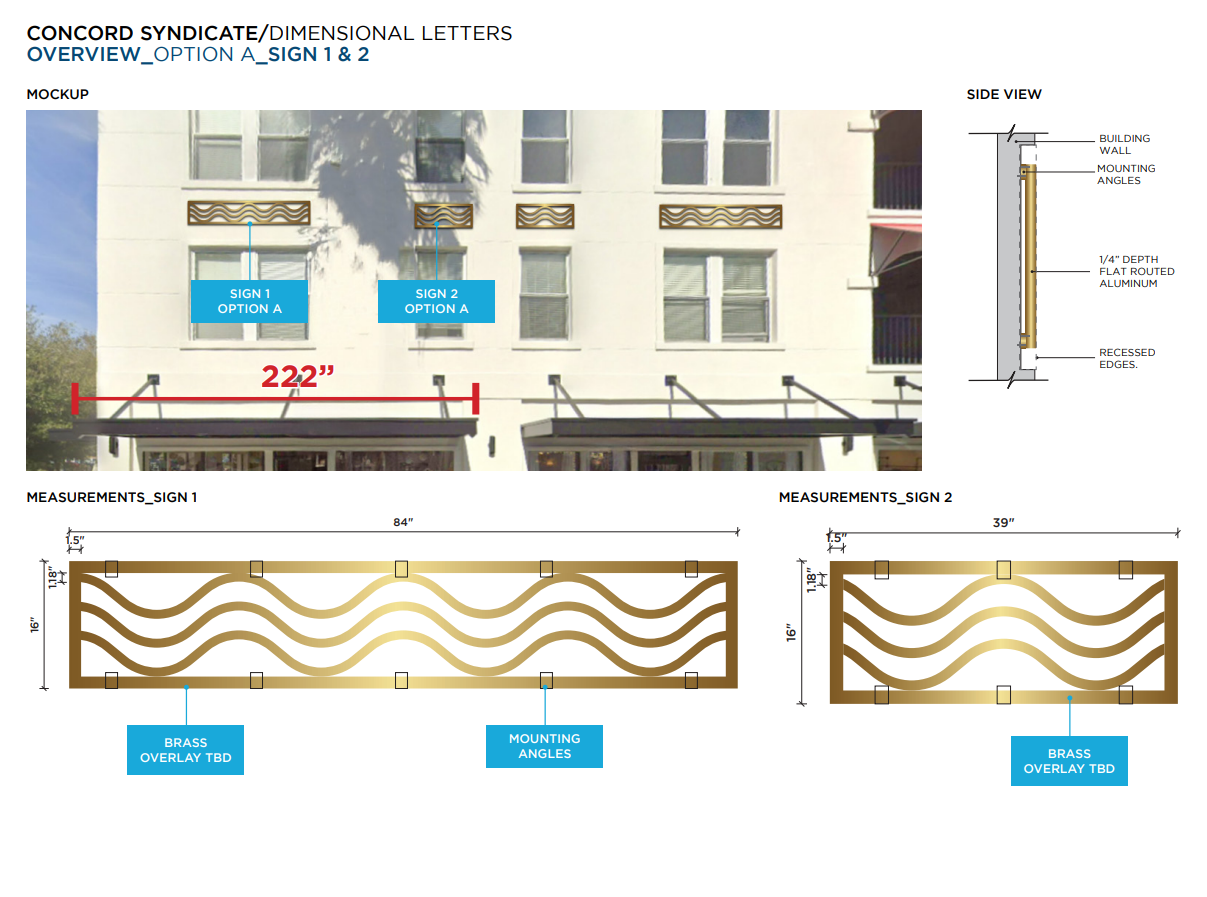
We produce clean, organized sign drawings that fully comply with engineers’ and city reviewers’ requirements. Each document is meticulously prepared in a professional format to expedite property owner approvals and permit applications, helping your signage get installed sooner.
Please note that our permit drawing services are designed to support the engineer’s review and accelerate approval, ensuring your signage can be installed without unnecessary delays.
We create drawings based on the information you provide, including local sign codes and specific project requirements. Our services do not include code research or site surveys and are not intended to replace the engineers.
For further details about our permit drawing solutions, please visit our page on Professional Sign Permit Drawings for Quick Approvals.
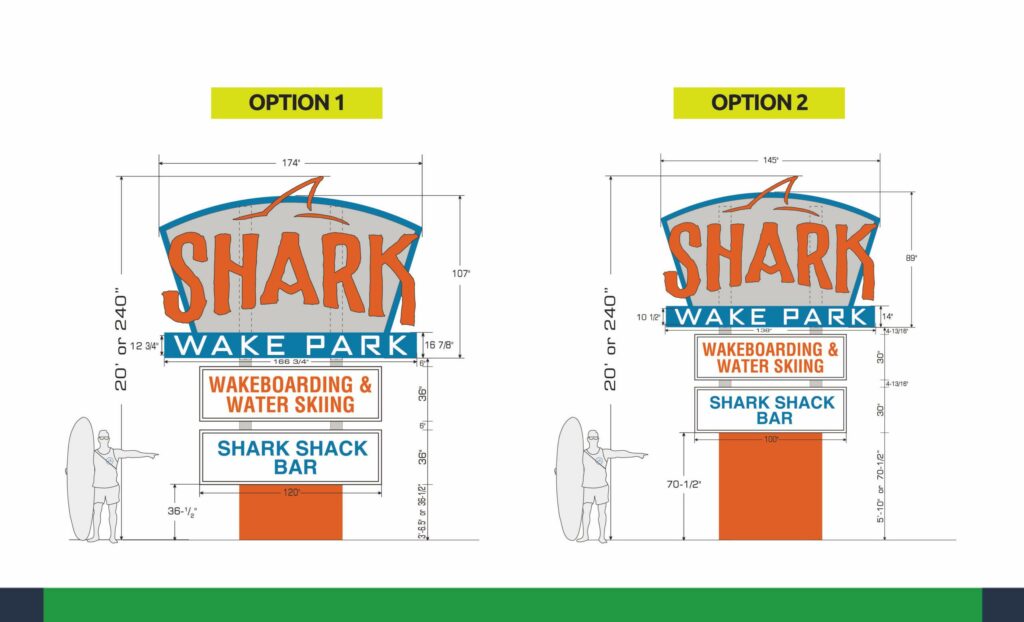
Creative Sign Layouts & 3D Renders
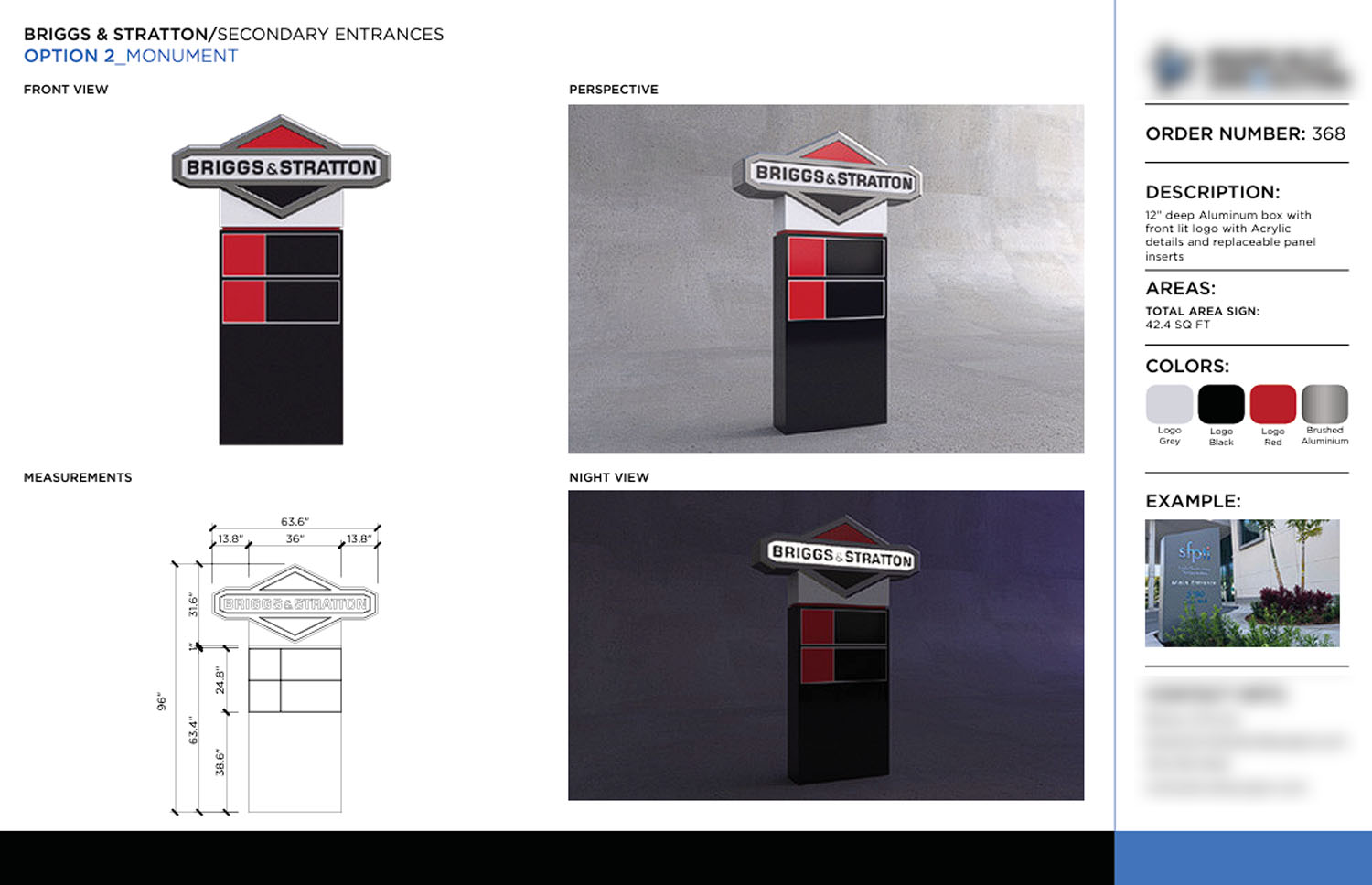
Our team combines creative vision with technical expertise in signage design to transform your ideas into impressive, high-impact visuals. This expertise is invaluable for local sign shops and national sign companies alike, supporting sales presentations, client approvals, and large project pitches while helping you stay ahead in a competitive market.
We prepare design files that engineers can further refine for fabrication; however, we do not replace engineering professionals, nor do we manage the physical production of signage.
Collaborating with experienced professionals delivers significant benefits at every stage, from design through permitting and installation.
Each phase of the signage creation workflow involves crucial steps. Working with experts streamlines the process, saving you time and ensuring efficiency from conception to completion.
You may refer to Creative Sign Layouts and 3D Renders for further details.
Step 2: Comprehensive Research for Effective Signage
Comprehensive research is essential for creating signage that is both effective and professional. Well-designed signage offers several important benefits, including:
- Creating a strong and appealing first impression
- Increasing brand visibility effectively and consistently
- Making your business easier to recognize and remember for new customers
- Delivering messages that stand out and are easy to understand in any environment
- Providing an effective wayfinding system that enhances the overall customer experience
These advantages underscore the importance of conducting thorough research before beginning any signage project.
Before starting any signage project, carefully research the following aspects:
- Industry type
- Appropriate signage type
- Brand image you want to highlight
- Goals and purpose of creating the signage
- Installation location and surrounding environment
- Audience demographics and preferences
- Visibility and clarity
We recommend conducting a comprehensive audit to support the signage development process and to evaluate the effectiveness of your planned design.
This approach ensures your signage delivers a long-term, meaningful impact for your business.
Why Sign Company Choose The Sign Pack
Trusted reliability. Designed for growing businesses.
From creative designs to express delivery, we enable your sign company to maximize productivity and profitability.
Step 3: Design and Refinement Process by a Professional Team
The process of designing signage can involve several stages, depending on the intended design’s complexity. We are classifying it as follows:
Signage Design Sketches
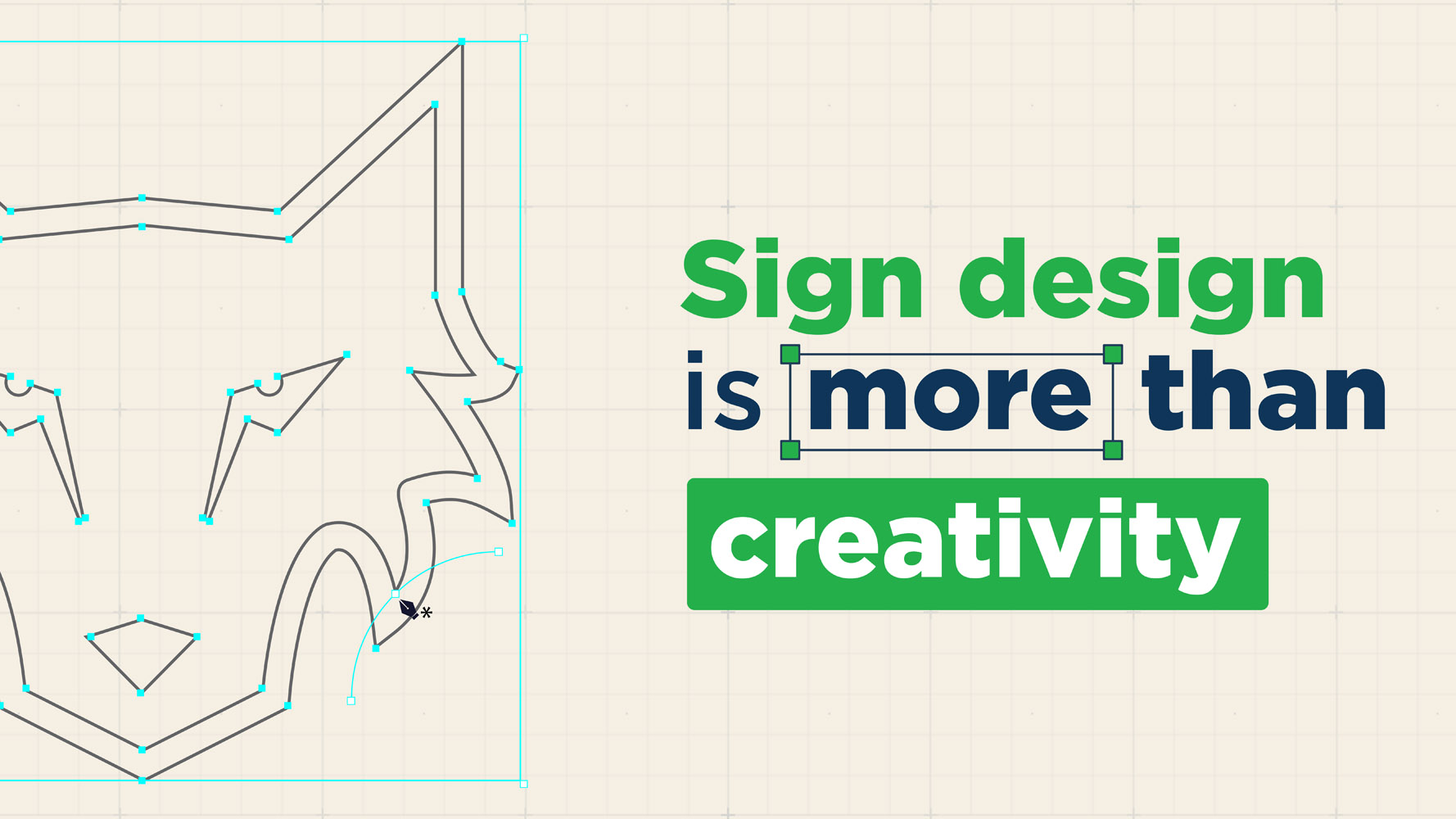
Creating a signage design should begin with developing rational sketches and ideas. At this stage, you are free to explore which type of signage design would work best for your business or client.
Signage sketches may come from:
- Simple rough drawings
- Inspiration from existing signage
- Brilliant ideas from your imagination
- A combination of all the above
Express your ideas and creativity on paper or in a 2D drawing using design software.
If you are a sign craftsman or a signage design artist who can create professional initial concepts, you will be able to execute this stage very well.
Signage Design Process
After you have sketches and an initial concept, your design team can begin executing them and transforming them into compelling visual designs.
Common software used by designers to create and refine signage with precision and creativity includes Adobe CC, CorelDRAW, Flexi, SketchUp, and V-Ray.
It is important to remember that the best practices and key principles of effective signage design include:
- Simplicity, uniqueness, and professionalism
- Strong readability from long distances
- Visual elements that represent the business
- Integrating brand elements to strengthen brand identity and consistency
- A message that is strong and prominent enough to capture customer attention effectively
Professional signage designers can perform these tasks efficiently and in alignment with the initial concept. They can also organize and combine multiple elements that accurately represent the brand, based on your requirements.
However, understanding the audience and the client’s specific needs is also crucial. This ensures that the resulting design looks aesthetically pleasing while remaining aligned with the business identity.
The Sign Pack is a pioneer in this industry. We have more than 100 professional signage designers with specialized expertise in creating signage layouts, shop drawings, and client presentations.
We are a professional signage design partner for sign companies, sign craftsmanship, and fabricators. Collaborating with us helps accelerate your design process, enhance your presentations, and streamline the creation of permit drawings.
| Also Read: How Local Sign Shops Can Design, Quote, and Deliver Faster |
Creating Creative Layouts and 3D Renders
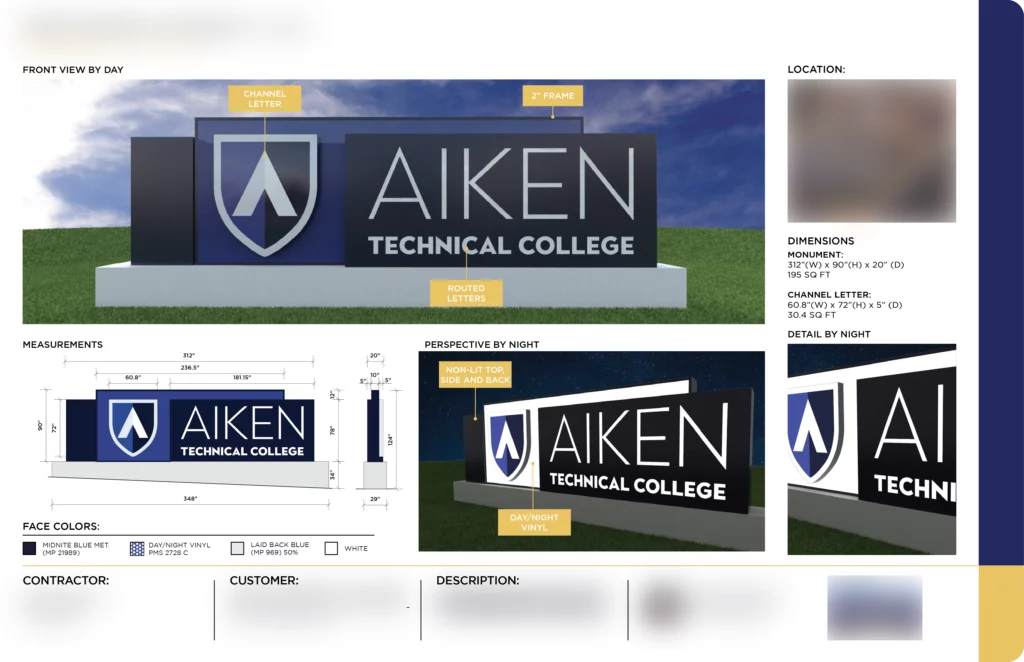
Once the signage design process is complete, there is a crucial stage that must not be skipped: creating the creative layout and 3D render.
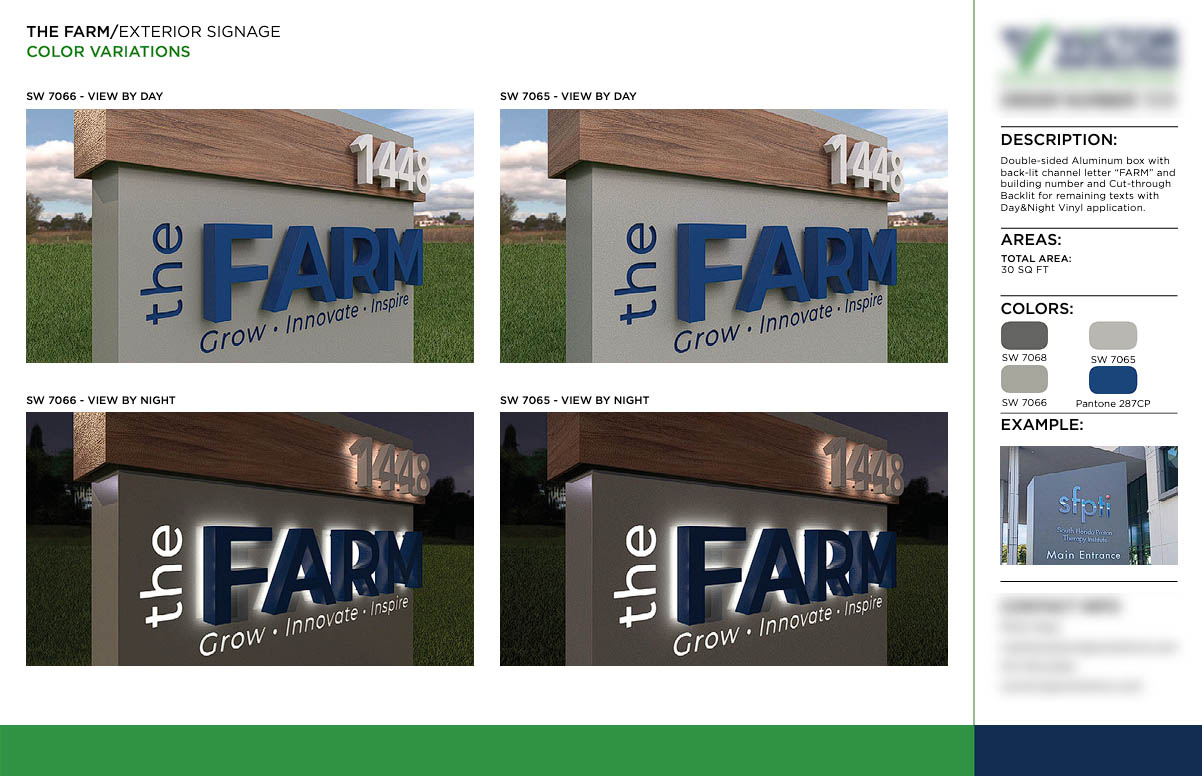
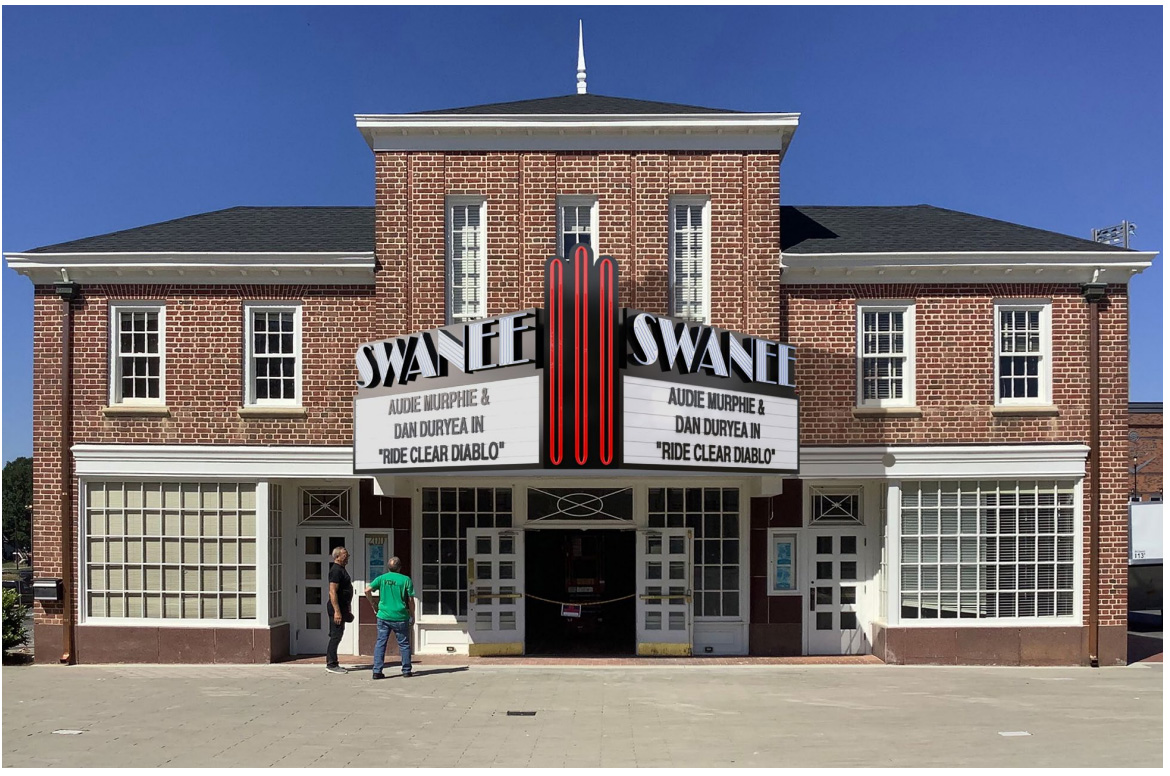
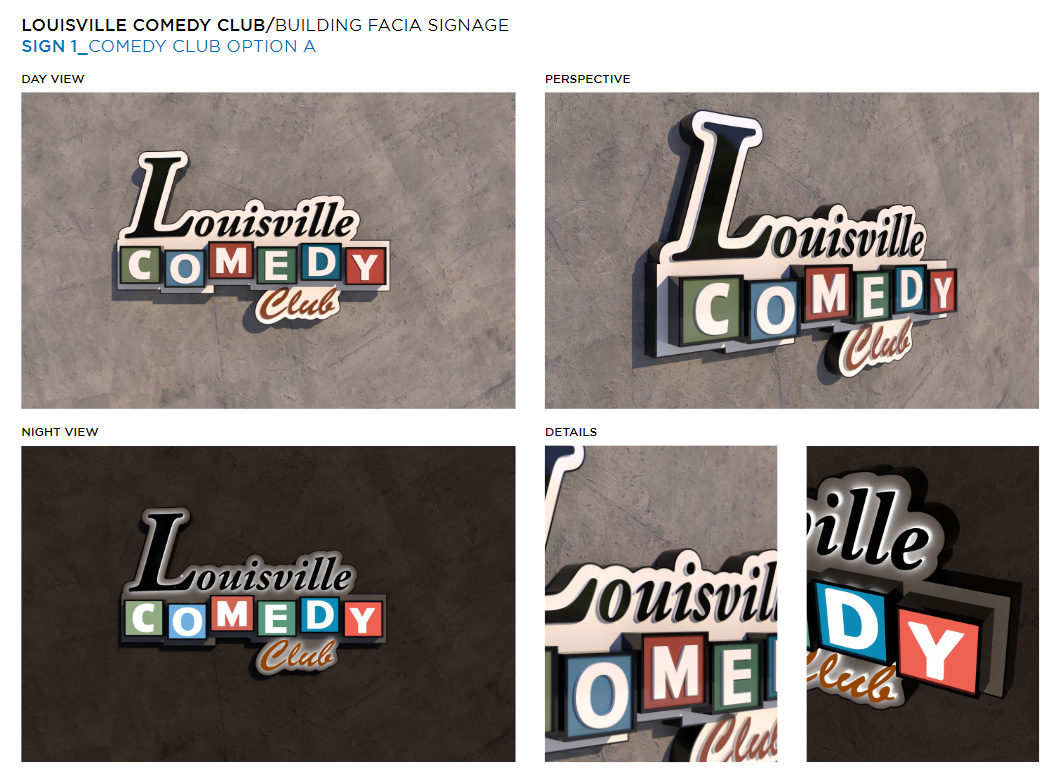
At this stage, the signage design is converted into an attractive and visually engaging 3D representation. Through this process, you can see how the ideas and sketches that once existed only in your imagination become visible in a realistic visual form.
Meanwhile, the creative layout lets you view the signage design from different angles. This method provides important insights related to materials, composition, and other detailed specifications.
Creative layouts and 3D renders are critical in the signage production process and offer several benefits, such as:
- Providing a general preview of what the final signage will look like
- Ensuring that the signage concept works effectively, according to the research conducted earlier
- Identifying aspects that may not align with the business identity or the surrounding environment
- Delivering an engaging experience when presenting signage concepts internally, to stakeholders, or to potential clients
With all these benefits, creative layouts and 3D renders help streamline internal discussions, pre-production, and other stages.
For sign shops and sign companies, creative sign layouts and 3D renders are essential tools for presenting to potential clients and securing more high-margin projects.
Feedback and Refinement
After you have adequate signage design assets, such as creative layouts and 3D renders, you can begin gathering feedback to refine them.
You may share these assets with internal teams, potential customers, stakeholders, or experts with fabrication experience.
The goal is to ensure your signage design not only looks visually appealing but also meets the fabrication standards.
Some important points to consider during this stage include:
- Ensuring all text is written with correct spelling, including main content, phone numbers, website URLs, and more.
- Verifying dimensions to ensure they match the actual measurements from surveys and research.
- Review all elements to confirm they are placed correctly and that nothing is missing.
- Checking color selections to ensure they meet the printer’s specifications.
- Requesting review from the installation or fabrication team to ensure everything aligns with production requirements and standards.
Feedback from those around you will offer new perspectives and help you identify issues you may not have noticed. The more comprehensive the feedback you receive, the less time will be wasted on revisions or rework once fabrication begins.
This feedback helps refine and perfect your signage design, making it more polished, professional, and ready for production.
Before your design files reach the shop floor, it helps to double‑check them against typical sign design mistakes that commonly cause rework or production errors. Learn how to spot and fix these issues early in our guide to Sign Design Mistakes to Avoid For Smoother Projects.
Step 4: Choosing the Right Signage Materials for Optimal Durability
After you have the digital design files for your signage, the next step is selecting the right signage materials.
Choosing the correct materials is essential to ensure durability, visibility, compliance with applicable regulations, and overall aesthetic appeal.
During the material selection stage, signage companies generally consider several factors, such as:
- Weather resistance
- Indoor or outdoor placement
- Available budget
- Material sustainability and longevity
The best practice for this stage is to choose high-quality materials that can meet the specific requirements of each project. You should also conduct thorough testing to evaluate the material’s durability and performance.
If possible, you may also choose environmentally friendly material options. This can add extra value to your brand in the eyes of customers.
We recommend using tools such as material sample kits, supplier catalogs, and online material databases.
By doing so, you can accurately select the right materials after reviewing online information and evaluating comprehensive samples.

Step 5: Signage Permitting
Using the appropriate signage for your business requires approval from your local planning board or zoning department. In reality, the world of signage permitting is not as simple as it may seem. You must understand the basics of signage regulations before installing any signage at your business location.
To make this process clearer, here are the key points you need to consider:
- Signage permitting is often more complex than expected and requires a solid understanding of local regulations.
- Every region or city has different—and sometimes very detailed—rules related to signage, including local codes, safety requirements, aesthetics, zoning, and scope of work.
- Preparing detailed Permit Drawing files is essential for property owner approvals, permit applications, and documentation needed by engineers and city reviewers.
Proper, detailed permit drawings are essential for securing timely approvals and avoiding costly project delays. By ensuring all documentation meets local requirements from the outset, you can prevent application rejections and minimize revisions during fabrication and installation, keeping your project on schedule and within budget.
If you do not have the time to create Permit Drawings, collaborating with us is the best option. We can support you from the research and design stages through producing Permit Drawing files that meet all technical and regulatory requirements.
With professionally prepared submissions, you are more likely to receive faster approval for your signage installation.
This approach ensures your signage project moves forward smoothly and avoids unnecessary setbacks during the permitting process.
| Also Read: Design Principles for Effective Signage That Drive Business Impact |
Step 6: Signage Production and Fabrication Process
The signage production and fabrication process can begin once your design files are ready to use and meet fabrication standards.
You also need to ensure that the materials and design you are using comply with industry standards in your region.
As mentioned earlier, your signage design files must be refined and proofread by an experienced team.
This is crucial to ensure there are no critical errors that could require rework or design changes. By doing so, you avoid unnecessary losses in both time and cost.
For your information, the signage fabrication stage involves several complex processes, such as:
- Printing
- Cutting
- Welding
- Assembly
A signage fabrication team can make adjustments to each sign based on the type of signage and the materials used.
In practice, the production and fabrication process applies several essential best practices, including:
- Strict quality control throughout all stages
- Ensuring construction, materials, and durability meet industry standards
- Utilizing advanced technology and equipment to increase precision and efficiency
Common equipment used in signage production includes large-format printers, CNC routers, laser cutters, vinyl plotters, and more.
Having complete, advanced equipment enables the execution of complex signage designs and ensures high-quality results.
| Also Read: How to Double Sign Production Efficiency Without Hiring New Designers |
Step 7: Installation and Maintenance Stage
The final stage of the signage production process is installation and maintenance. At this stage, the signage is installed at the designated location and maintained regularly to ensure durability and optimal performance.
It is important to understand that signage installation is a complex process that requires proper coordination before execution.
Likewise, routine maintenance is essential and should not be overlooked.
As you already know, creating signage involves many steps and requires significant time. In addition, the permitting and installation processes can be challenging, making the overall effort required to produce signage quite substantial.
Therefore, once your business’s signage is installed, maintaining and caring for it to ensure optimal performance becomes crucial.
Some important things to consider during the installation of signage include:
- Conducting a thorough site survey to assess installation requirements
- Following safety protocols and regulations
- Using experienced installation services for smoother and more efficient execution
- Developing a maintenance plan that includes routine inspections, cleaning, and repairs to preserve the appearance and functionality of the signage and extend its lifespan.
These are the best practices and key stages in creating signage, from collaborating with an experienced signage specialist team to conducting research, designing, obtaining permits, and installing.
We hope that after reading this article, you understand that every stage of signage creation is highly important. Additionally, involving a team of experienced experts at every step is the key to achieving the best possible signage for your business.
We would also like to inform you that there are still important stages to complete before your company’s signage is fully installed: the finishing phase, quality assurance, and final setup.
These stages are just as crucial as those mentioned above for ensuring your signage meets the required specifications, functionality, criteria, and durability, according to industry standards.
We will explain these steps in detail in our article, Key Things You Should Consider Before Installing Your Signage.

How The Sign Pack Can Support You
The Sign Pack is the ideal partner for local sign shops and national sign companies looking to increase productivity and scalability in their signage design workflow.
We have more than 100 designers with specialized experience in the signage industry and have been trusted by over 500 sign companies across the United States.
With more than 50 years of experience, we deeply understand the complexity and challenges involved in the signage production process.
We have extensive knowledge in both creativity and technical expertise for the signage industry. Because of this, we can guarantee that every design we produce meets production, fabrication, and signage permitting standards.
Whether you are a sign craftsmanship, a local sign shop, or a national sign company, partnering with us can help you significantly improve your processes and productivity.
You can focus on business expansion, concept development, or pitching complex, high-margin projects, while we serve as your partner for creating creative layouts, 3D renders, sign presentations, and permit drawings for every project you take on.
Start scaling your business now to achieve higher productivity and greater profitability. Speak with our professional team for more detailed information.