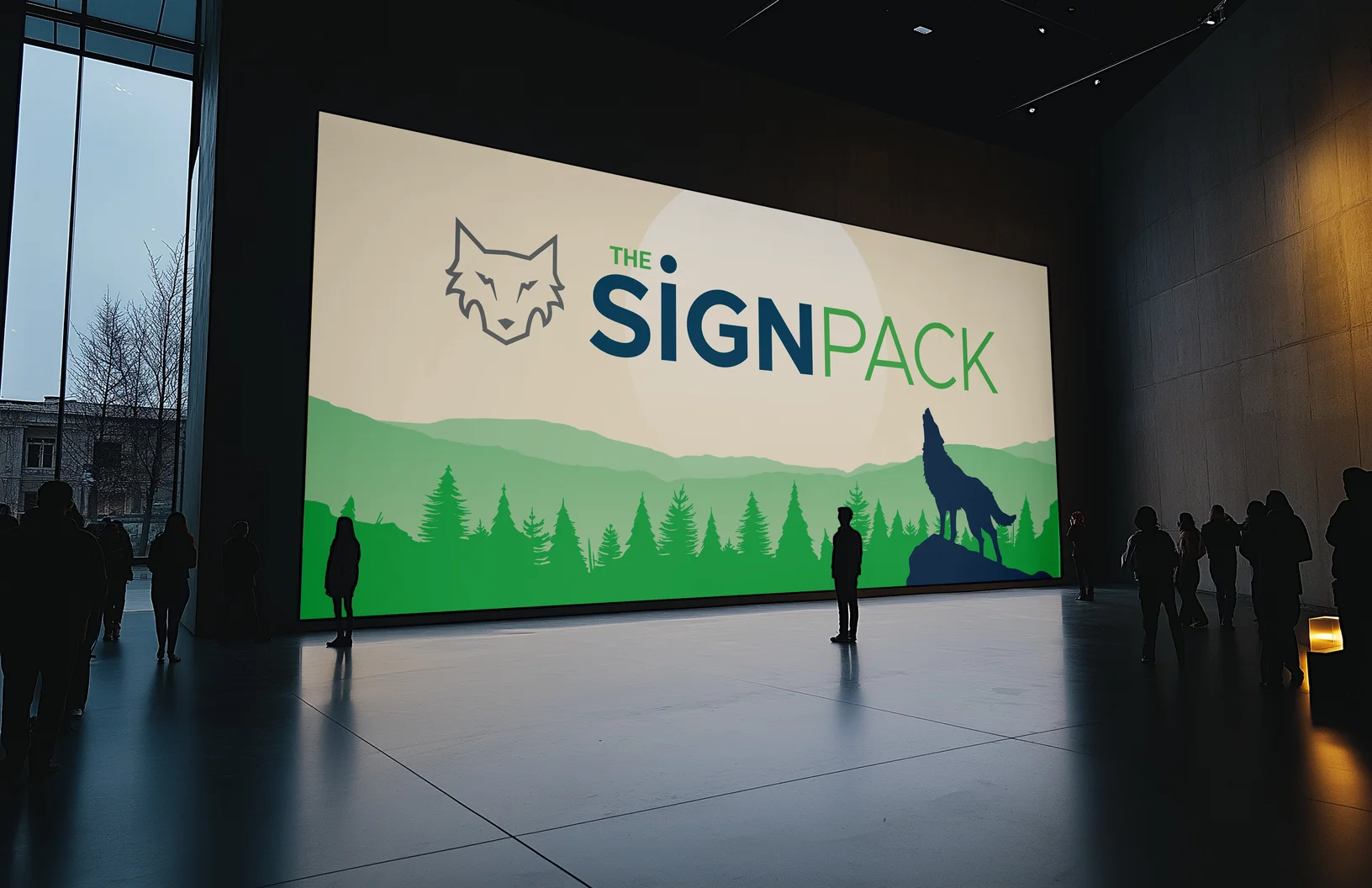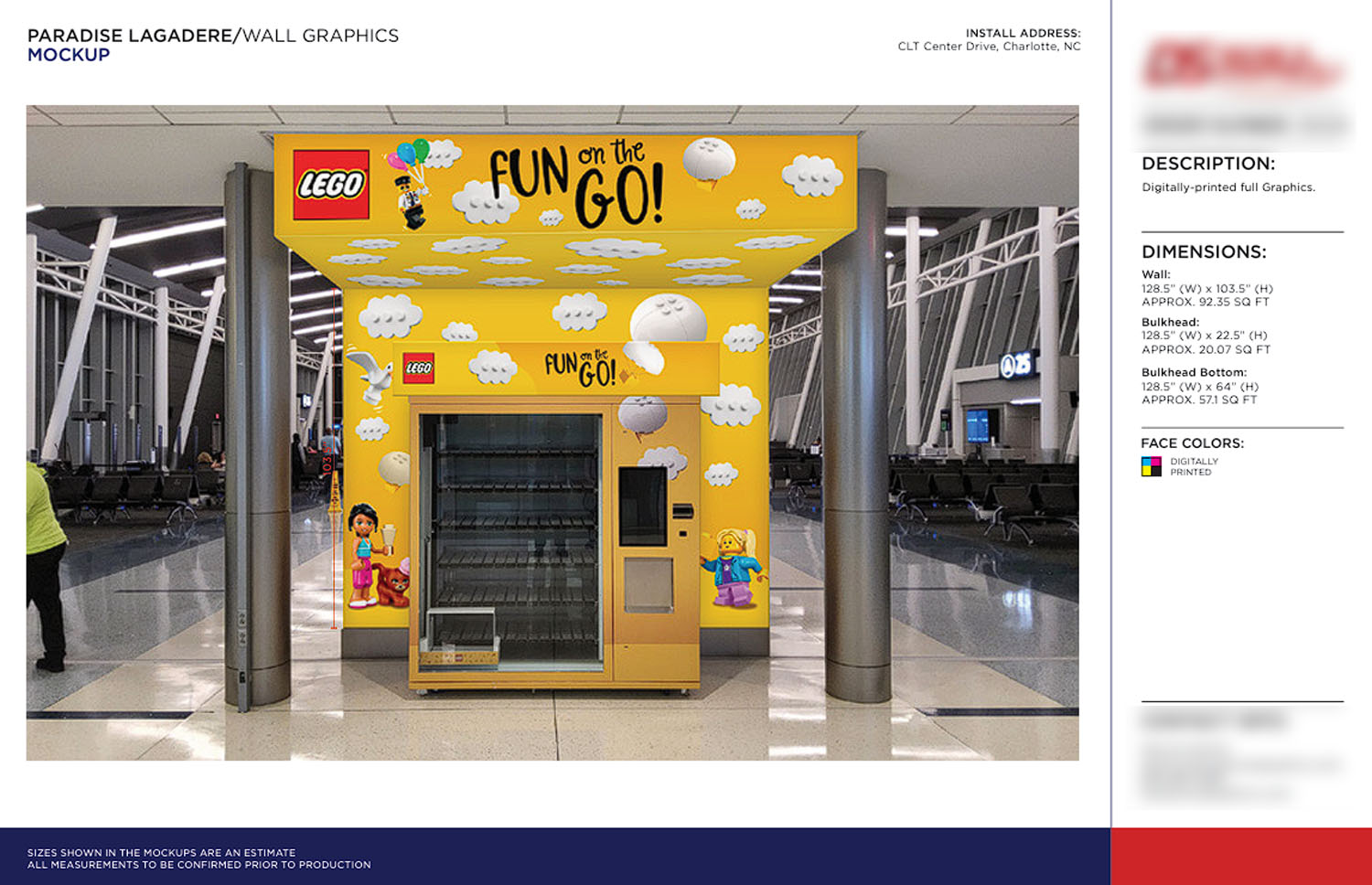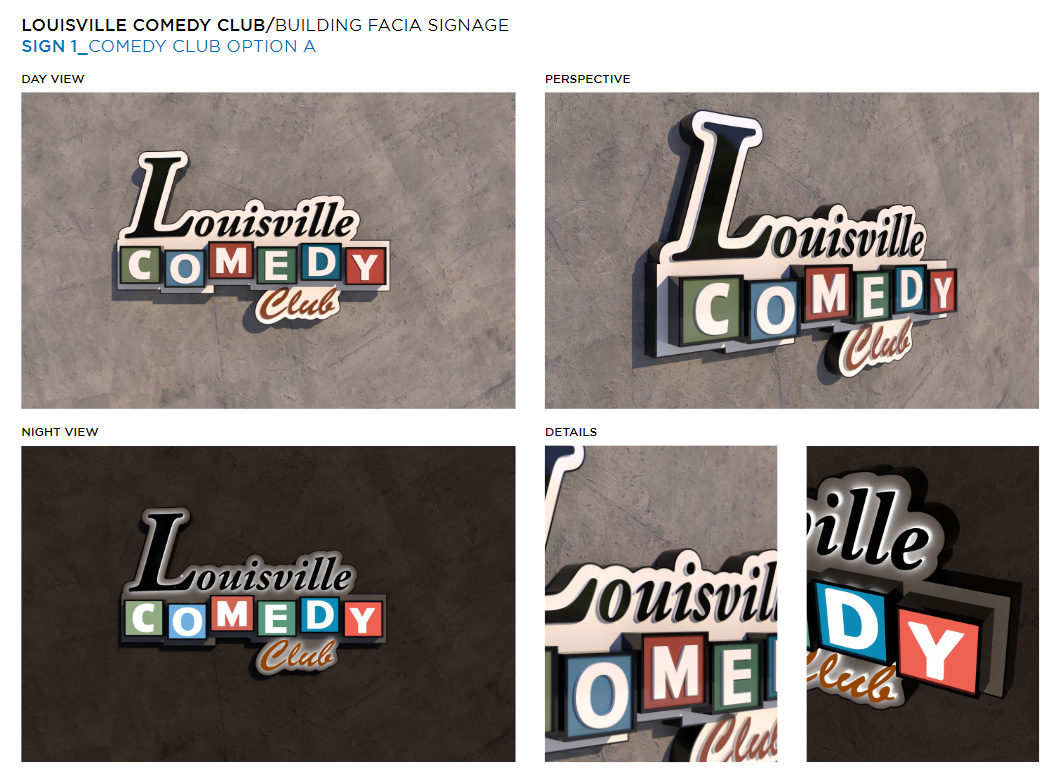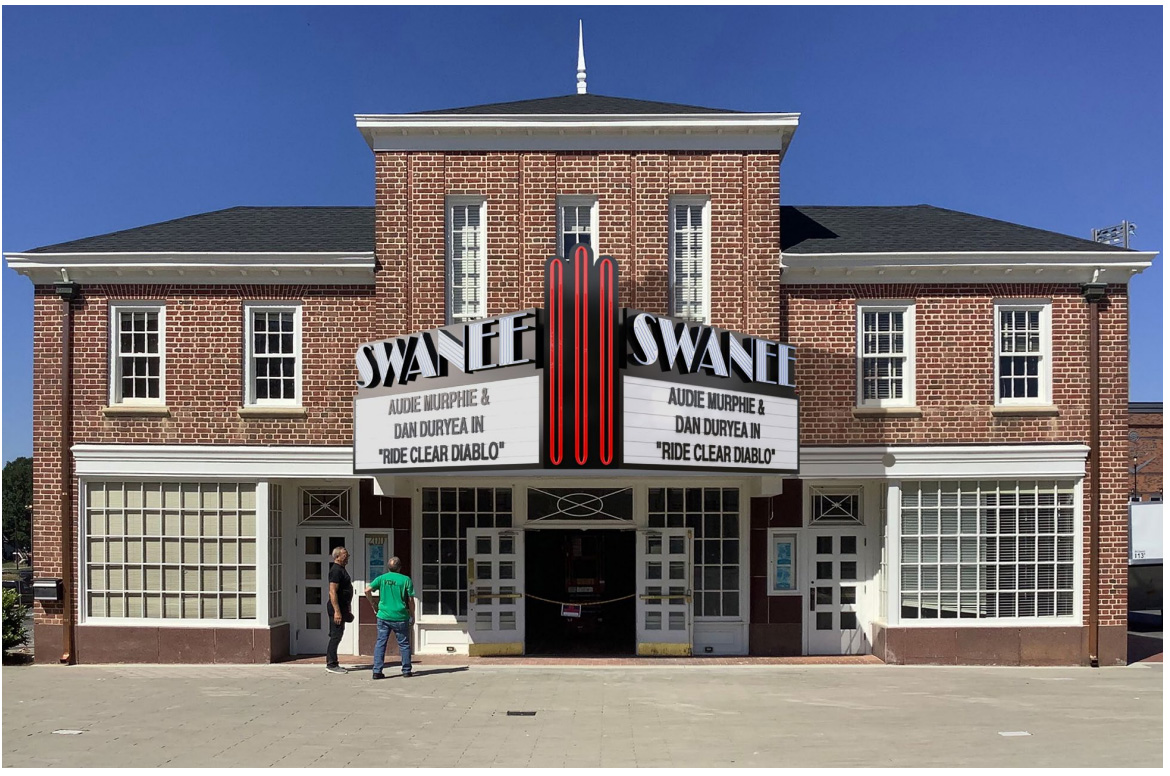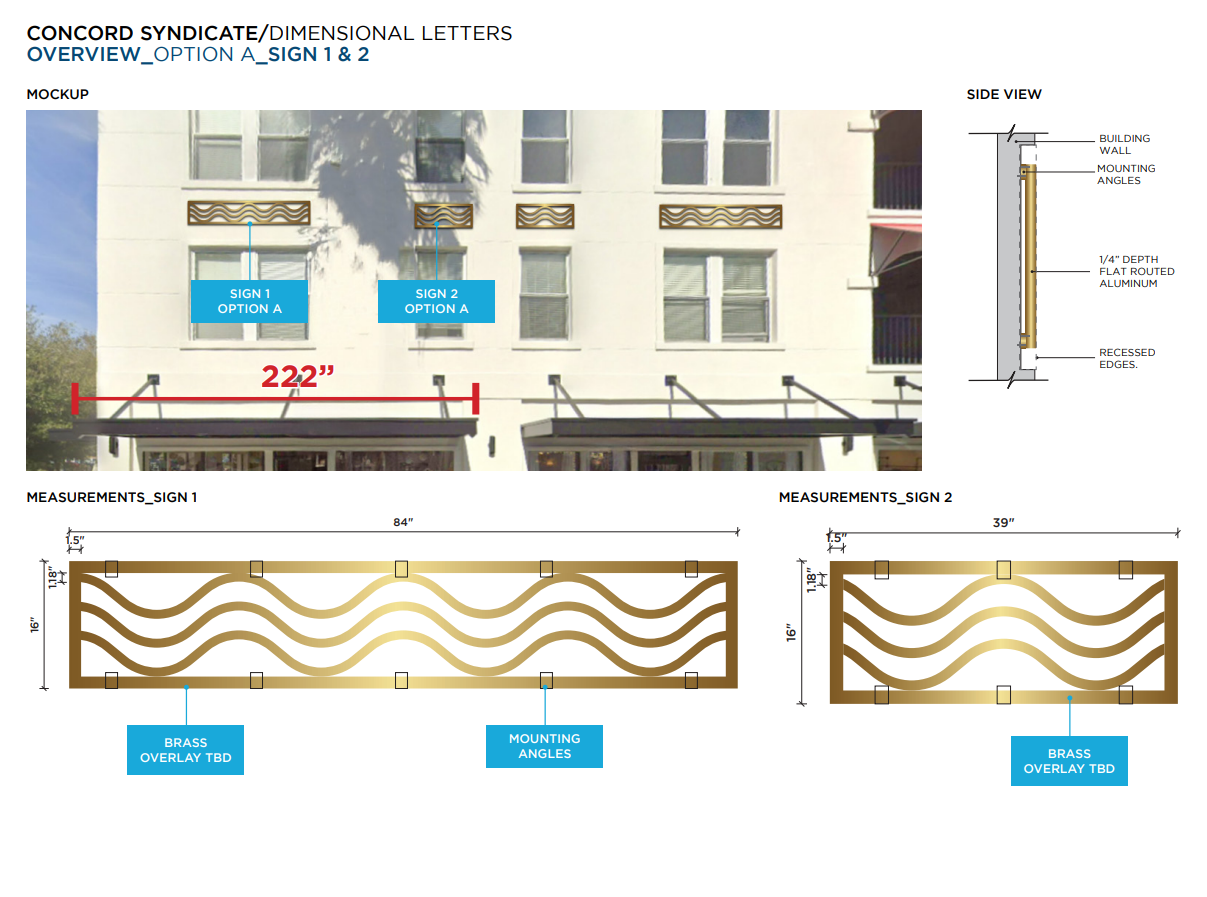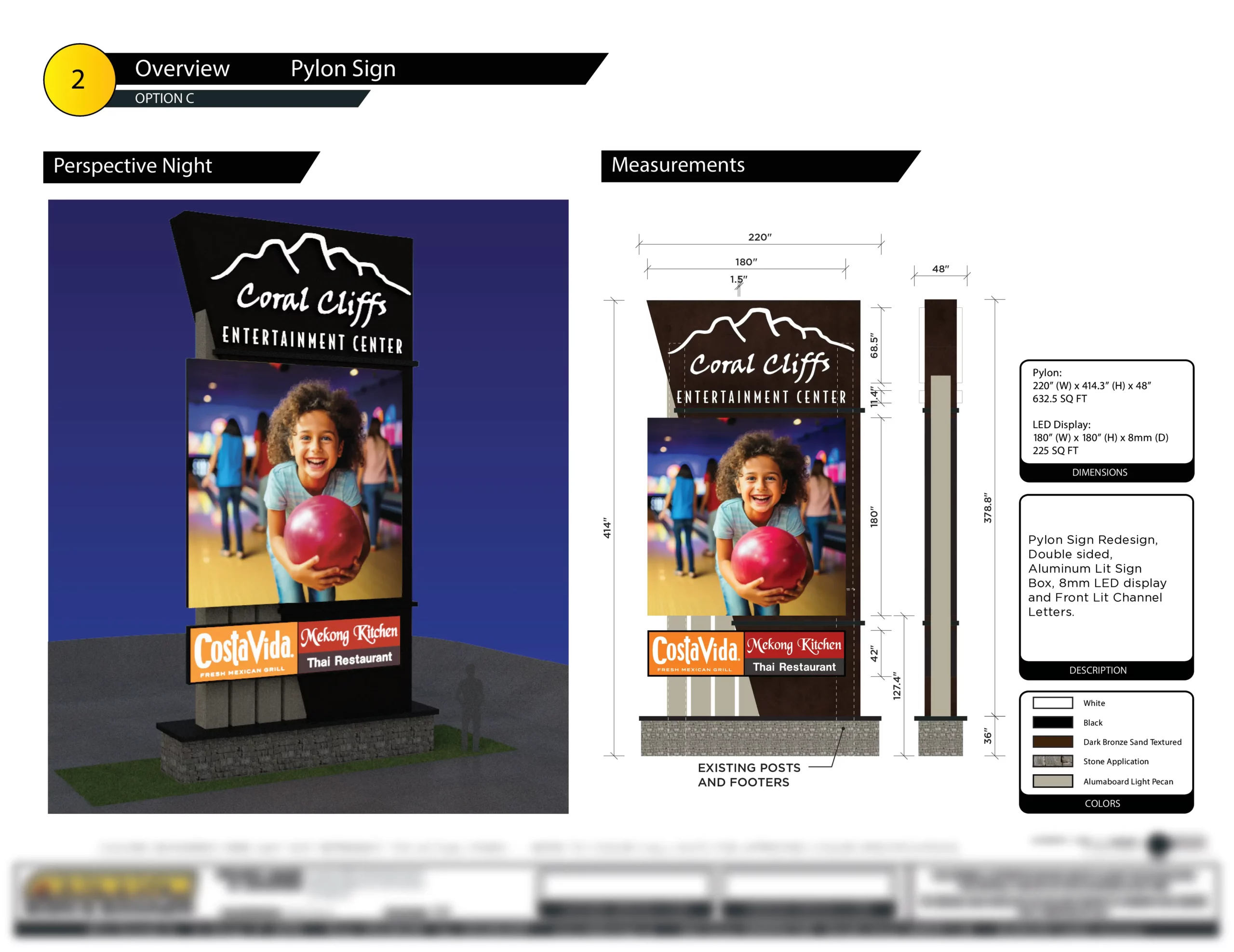
Immersive Interactive Digital Signage represents a cutting-edge innovation that transforms passive viewing into meaningful audience engagement.
Unlike traditional displays, this advanced signage captures attention with dynamic visuals and encourages viewers to actively engage with the content.
These displays utilize motion detection to trigger visual changes as people pass by, sparking curiosity and engagement. By facilitating both physical and visual interaction, immersive signage fosters a stronger emotional connection and delivers more impactful audience experiences.
For designers and sign companies, understanding the potential of immersive digital signage creates new opportunities for creativity and differentiation in a highly competitive market. The global digital signage market is projected to reach USD 35.94 billion by 2026, underscoring growing demand and the long-term value of this segment.
Through the article, The Sign Pack invites designers and sign companies to explore the benefits and opportunities of Interactive Digital Signage, and to discover how this technology empowers brands to create immersive, engaging interactions with their audiences.
What Is Immersive Interactive Digital Signage?
Immersive Interactive Digital Signage encompasses digital displays that actively engage users through various interaction methods, including motion detection, sound, touch, cameras, and other sensor-driven technologies.
Recent advancements enable digital signage content to be personalized based on user behavior and preferences. This high level of customization increases engagement and helps brands deliver memorable experiences that drive lasting impressions.
Interactive Digital Signage vs. Traditional Static Signage
Interactive Digital Signage differs fundamentally from traditional signage, as outlined below:
- Interactive Digital Signage: Digital displays that invite viewers to participate actively. Content adapts to user interests, transforming passive viewing into meaningful, two-way engagement.
- Traditional Signage: Static signs designed for fundamental purposes such as increasing brand visibility, guiding visitors, or delivering information in a one-way, non-interactive format.
Interactive Digital Signage allows brands to showcase products and services in an engaging, memorable way. Direct interaction enhances brand recall and builds deeper brand affinity.
In today’s digital landscape, immersive interactive signage is a vital component of Branded Environments, transforming visual communication into meaningful physical experiences.
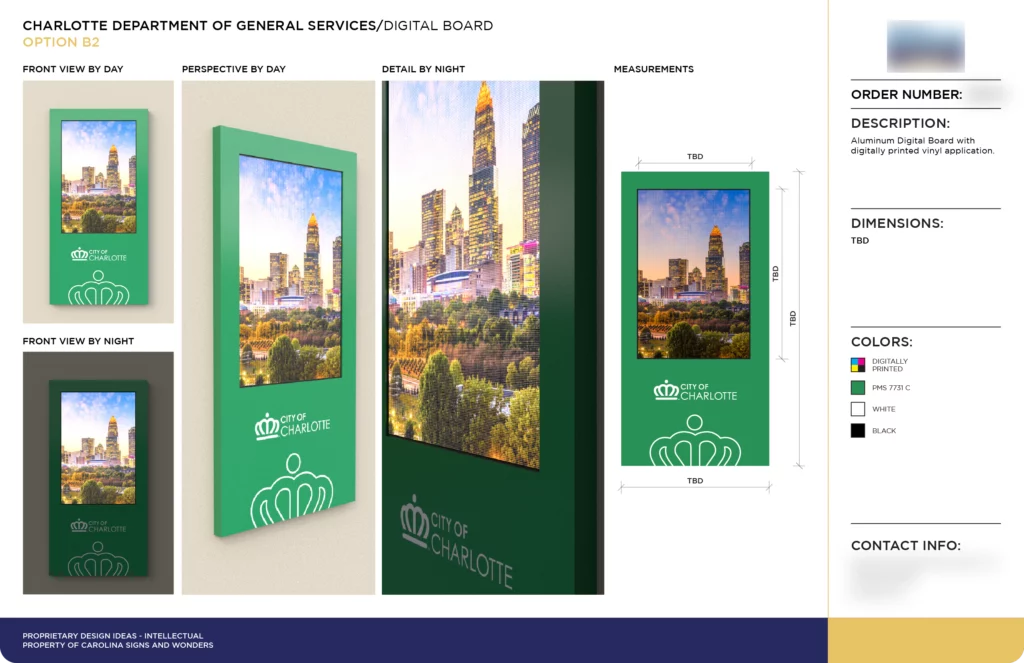
Key Benefits of Interactive Digital Signage for Businesses
Businesses gain significant advantages by investing in immersive Interactive Digital Signage. Implementing this technology delivers a competitive edge by positioning brands ahead of the competition with more engaging and differentiated customer experiences.
It is important to note that the global digital signage market is experiencing rapid growth and is projected to reach USD 35.94 billion by 2026, according to Fortune Business Insights. This growth reflects a significant shift in signage formats, evolving from static displays to dynamic solutions, and from basic touchscreens to engaging, contactless immersive experiences.
This transformation highlights how digital signage is no longer just a visual communication tool, but a strategic asset that contributes meaningfully to long-term business sustainability.
In this section, we will explore several key benefits businesses can achieve by adopting immersive digital signage technology.
Driving More Impressions
Impressions are the primary gateway to monetizing products and services. The more impressions a brand generates, the greater the opportunity to influence purchasing decisions and build long-term value.
Interactive Digital Signage is highly effective in achieving this objective, as it is designed to capture attention and engage people as they move through a space. Unlike static displays, interactive signage creates visual curiosity that naturally draws viewers in.
According to a Nielsen study, digital signage significantly outperforms static displays by attracting up to 400% more viewers. Several key insights help explain this impact:
- In the retail industry, digital signage has been widely recognized for increasing user engagement and driving sales.
- Today’s consumer behavior increasingly prioritizes display technology as an instant visual guide for pricing, product comparisons, and promotions, highlighting the critical role of digital signage in decision-making.
- Digital signage display technology is frequently used to influence purchase intent by delivering engaging content at key decision points and at the right moment.
These factors work together to encourage impulse purchases by strategically placing digital signage in high-value areas and at times when consumers are most receptive.
Increasing Engagement Through Personalized Content
As previously discussed, interactive digital signage can transform passive viewers into active participants. To maximize this impact, the experience must be supported by personalized content that aligns with user interests and behavior.
Several important insights support this approach:
- Users who actively engage with interactive signage tend to spend more time interacting with the content. The more relevant the content feels, the longer the engagement duration.
- According to Accenture, 91% of consumers are more likely to shop with brands that recognize them, remember their preferences, and provide relevant offers and recommendations. This reinforces the importance of personalization in modern brand communication.
- When businesses successfully apply storytelling within interactive platforms, users can become deeply immersed in the experience, often without realizing it.
- This immersive approach strengthens brand memory and brand recall by elevating the overall customer experience.
Based on these insights, interactive digital signage enables meaningful user-brand interactions that drive higher engagement levels and, ultimately, increased revenue opportunities.
Increasing Sales
Beyond driving engagement and visibility, interactive digital signage has proven to significantly increase sales. This technology is often referred to as a “silent sales associate” because it consistently contributes to revenue growth without requiring direct human interaction.
This impact is especially evident in the retail sector. According to PosterBooking, retailers have reported an average sales increase of 29.5%, and 70% of customers say digital signage influences their purchasing decisions.
It is also important to note that digital signage is now being widely adopted beyond retail, including in the following sectors:
- Hospitality and healthcare environments
- Educational institutions
- Corporate offices and campuses
As a result, it comes as no surprise that Market.us reports the Global Retail Digital Signage market is expected to reach approximately USD 21.2 billion by 2034, up from USD 6.4 billion in 2024, growing at a CAGR of 12.70% between 2025 and 2034.
These figures send a strong signal that the implementation of interactive digital signage is delivering measurable and positive business impact across multiple industries.
Data Collection and Analysis
Data collection and analysis play a critical role in enabling businesses to achieve growth beyond the industry average. By capturing behavioral data from the market, companies can apply predictive marketing analytics to drive higher revenue and stronger market positioning.
According to MarTech, businesses that leverage predictive analytics are 2.9 times more likely to report revenue growth above the industry average.
Digital signage serves as a powerful tool for data collection and analysis, as every interaction generates data points that reveal valuable business insights, including:
- Engagement levels and interaction patterns
- Most effective and popular content elements
- Customer demographics and preferences
- Content performance based on time and location
Unlike traditional static signage, interactive digital signage produces actionable business intelligence by uncovering real market behavior and audience preferences.
These insights help businesses make strategic decisions with lower risk and higher confidence. By analyzing a rich, insight-driven database, companies can identify winning content that drives higher conversion rates and optimize it for maximum performance.
Why Sign makers Choose The Sign Pack
Trusted reliability. Designed for growing businesses.
From creative designs to express delivery, we enable your sign company to maximize productivity and profitability.
Future Trends in Immersive Digital Experiences
The evolution of interactive digital signage continues at a rapid and unstoppable pace. As technology advances, new capabilities emerge, enabling more compelling, engaging, and immersive digital experiences.
In reality, innovation in signage technology is broad and diverse, including:
- Dynamic signage with dayparting capabilities
- Immersive signage beyond traditional touchscreens
- Cloud-based signage with advanced content scheduling features
- Augmented Reality (AR) with virtual try-on functionality
- LED technology and sustainability-focused signage
You can explore the commercial benefits and technical details of these technologies in our article, Latest Signage Technology: Hidden Features Every Sign Company Should Know.
In this section, we focus on the future trends shaping immersive digital experiences. Key developments include the following:
- AI-driven content personalization: Integrating digital signage with artificial intelligence enables deeper personalization by analyzing real-time data. Content can dynamically adapt based on demographics, user behavior, and environmental signals, creating highly relevant experiences.
- Touchless and voice-activated displays: These solutions allow users to control screens without physical contact. Advanced sensors detect hand gestures, while Natural Language Processing (NLP) enables systems to understand and respond to voice commands.
- Energy-efficient signage technology: Powered by AI, digital displays can automatically adjust brightness and content in real time based on audience presence or surrounding conditions. This reduces energy consumption without compromising visibility or performance.
- Multi-sensory integration: This innovation delivers deeper immersive experiences beyond visuals alone. Multi-sensory digital signage can combine visual content with sound and even scent to create stronger emotional connections with audiences.
The technologies outlined above open new opportunities for implementing immersive digital signage across a wide range of industries. As a result, businesses can significantly enhance engagement, strengthen emotional connections, build lasting brand memories, and create more meaningful brand interactions.

The Potential of Immersive Signage for Sign Companies
Immersive signage has emerged as a powerful technology for enhancing customer engagement and elevating brand experiences within physical spaces. For designers and sign companies, understanding the potential of immersive signage opens new pathways for creativity and differentiation in an increasingly competitive market.
By integrating immersive elements into signage projects, sign companies can unlock opportunities to offer unique, high-value solutions to both brand and corporate clients. These solutions go beyond visually appealing displays by creating meaningful connections between businesses and their audiences.
Below are several critical considerations for sign designers and sign companies looking to maximize the market potential of interactive signage technology.
Unlocking Recurring Revenue Opportunities
For designers and sign companies, offering immersive signage solutions delivers several key benefits, including:
- Helping brands and corporations stand out more effectively in highly competitive markets.
- Enabling sign shops to create unique brand experiences that resonate with customers on a deeper level.
- Opening new opportunities for recurring revenue streams, as businesses seek to update and refresh their immersive designs over time to maintain audience engagement.
By staying at the forefront of immersive signage trends, designers and sign companies can position themselves as industry leaders and attract new clients looking for cutting-edge solutions.
Technology and Infrastructure Integration
One of the most important considerations when implementing immersive signage is integrating the required technology and supporting infrastructure.
Key factors that should be evaluated include:
- Available space
- Power supply requirements
- Connectivity options to determine the feasibility of immersive installations
- Hardware and software options aligned with project goals and budgets, such as LED displays, projection mapping systems, or interactive touchscreens.
Ensuring the right technology and infrastructure are in place contributes to smooth operation and optimal performance in immersive signage installations.
Content Creation and Storytelling
Combining compelling content ideas with strong storytelling is critical to delivering meaningful business impact. To ensure a smooth process and maximize results, several key aspects should be carefully considered:
- Sign companies should collaborate with graphic designers, content creators, and storytellers to develop immersive narratives that resonate with the target audience.
- By combining captivating visuals with interactive experiences, content can evoke emotion, stimulate thought, increase engagement, and leave a lasting impression.
- Creating narratives that align with brand identity and are supported by visually striking graphics allows immersive signage to capture attention and encourage meaningful interaction.
There are several critical factors that designers and sign companies should consider to ensure that Interactive Immersive Digital Signage projects deliver maximum impact for businesses.
Interactive digital signage is fundamentally transforming how brands connect with their audiences, shifting from passive broadcasts to dynamic, two-way conversations. Throughout this exploration, we have seen how this technology creates memorable brand experiences through multiple input methods and advanced personalization capabilities.
The benefits of implementing this technology go beyond increasing brand visibility, engagement, and sales. Businesses can also gain valuable business intelligence from audience interaction data. These insights enable companies to develop stronger strategies and refine content approaches for optimal long-term impact.
| Also Read: How LED Displays Are Transforming Sports Venues & What Businesses Can Learn |

How The Sign Pack Supports Sign Companies with Scalable Digital Design
The Sign Pack partners with sign companies on a wide range of signage design projects, including digital signage systems built for large-scale visibility and consistent brand execution.
We deliver digital signage designs that are production-ready, scalable, and consistent across locations. Our workflows are designed to be fast without compromising quality, ensuring designs move smoothly from concept to fabrication.
Our support is built to scale alongside your business, helping sign companies drive growth, reduce rework, and improve overall signage quality from initial concept through final installation.
We understand that sign companies commonly face the following challenges:
- Designer shortages and rising labor costs
- Skill mismatches and internal knowledge bottlenecks
- High designer turnover
- Inconsistent file quality
- Design bottlenecks that slow down production
The Sign Pack recognizes these challenges as serious operational risks. That is why we have developed structured, scalable solutions to address them directly.
Through our proprietary system, TSP Platform 3.0, we solve some of the signage industry’s most critical bottlenecks:
- Designer scalability
- Inconsistent file quality
- Errors and gaps in project information
We invite you to connect with our professional team to learn more about our services or to explore how TSP Platform 3.0 can support and strengthen your operations.
Click the Contact Us button below to discover how The Sign Pack helps sign companies scale with reliable, production-ready digital signage design solutions.