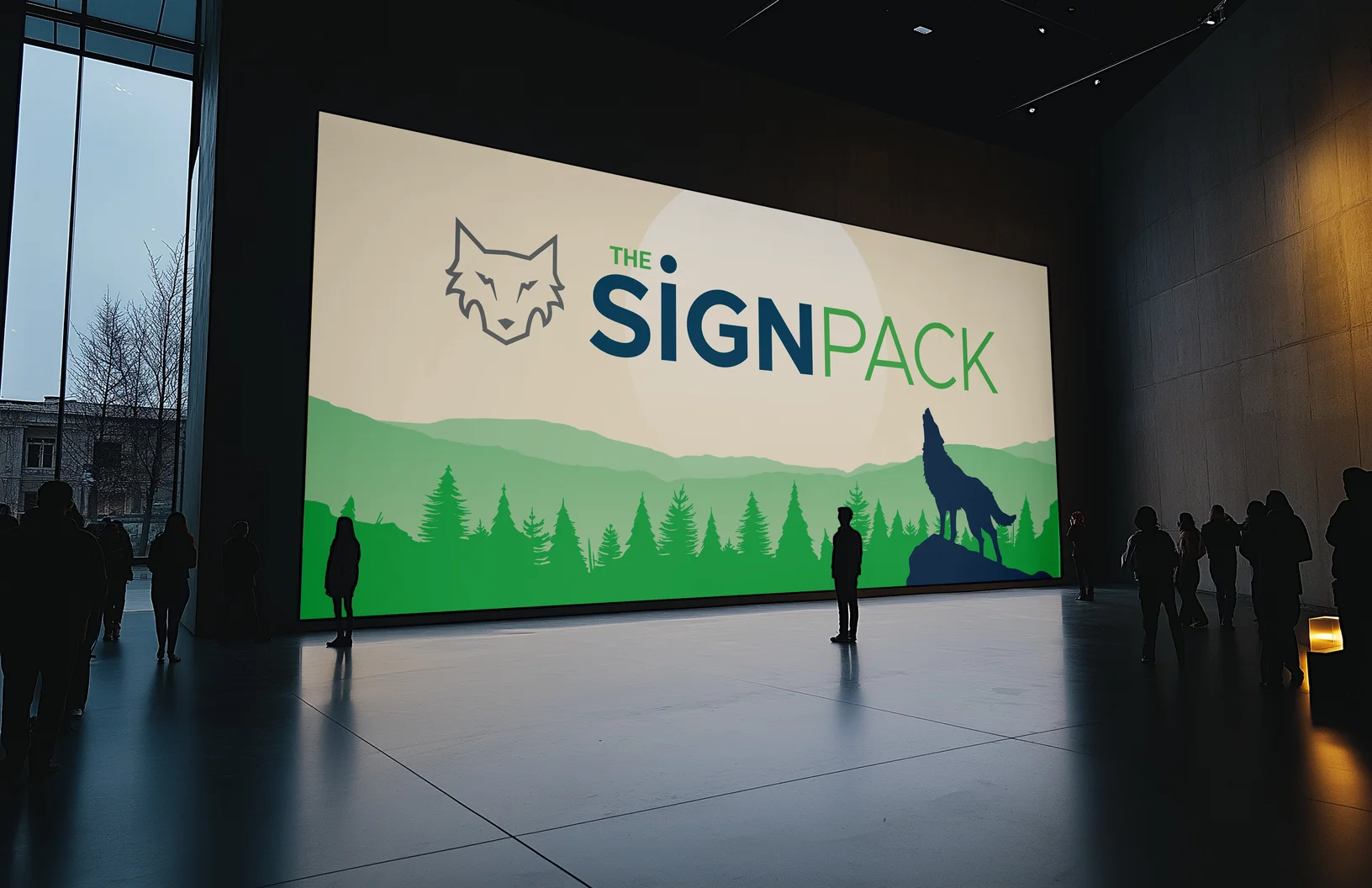
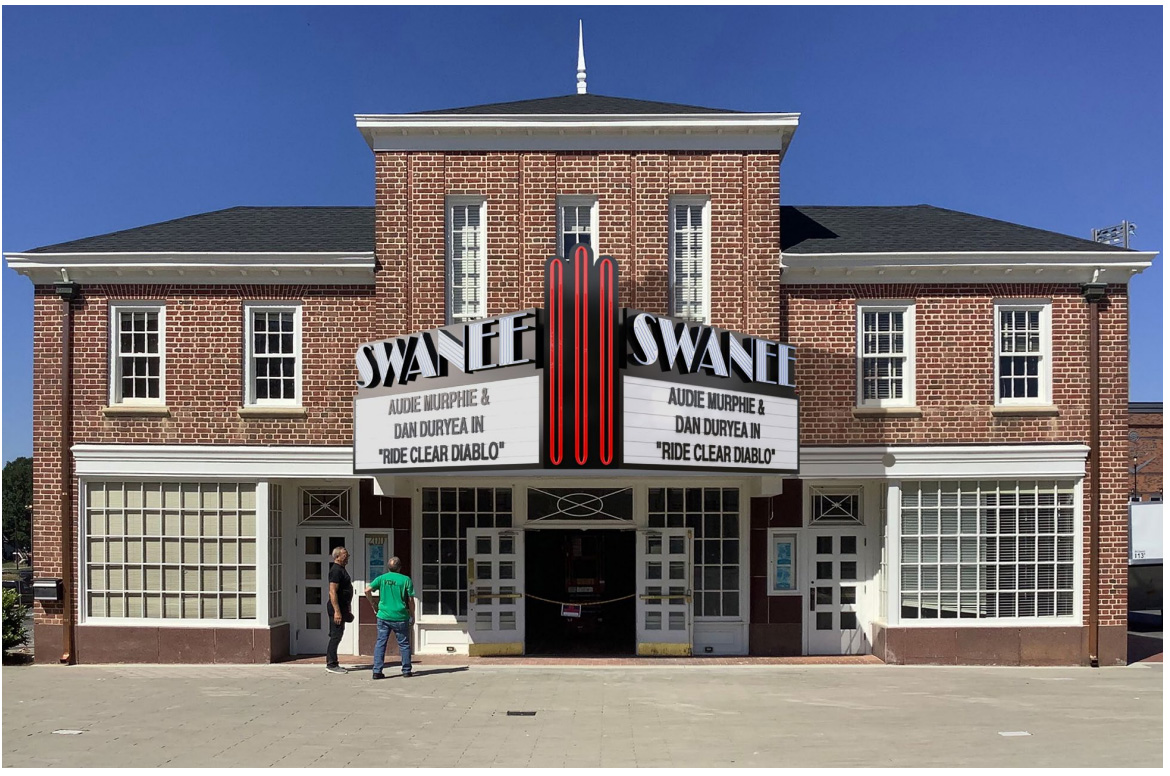
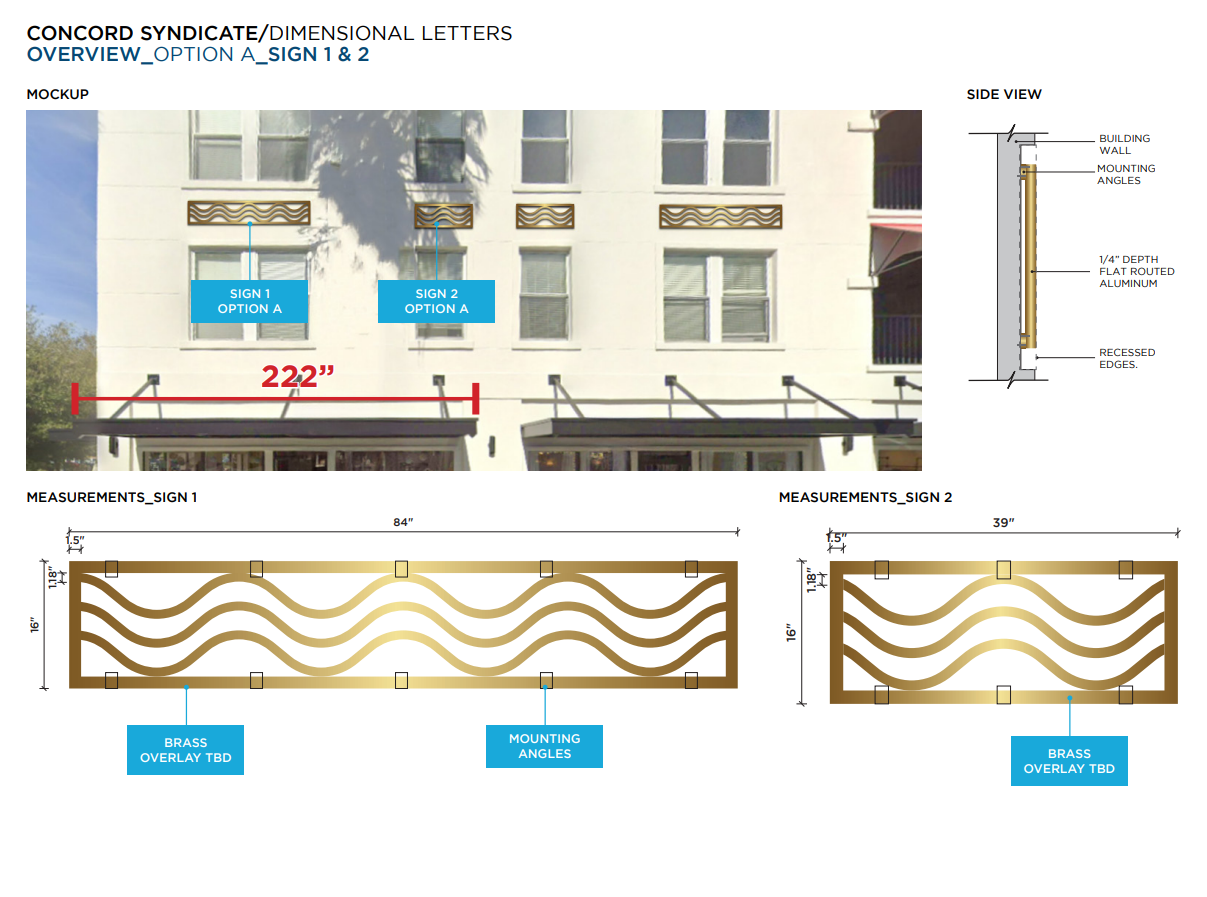
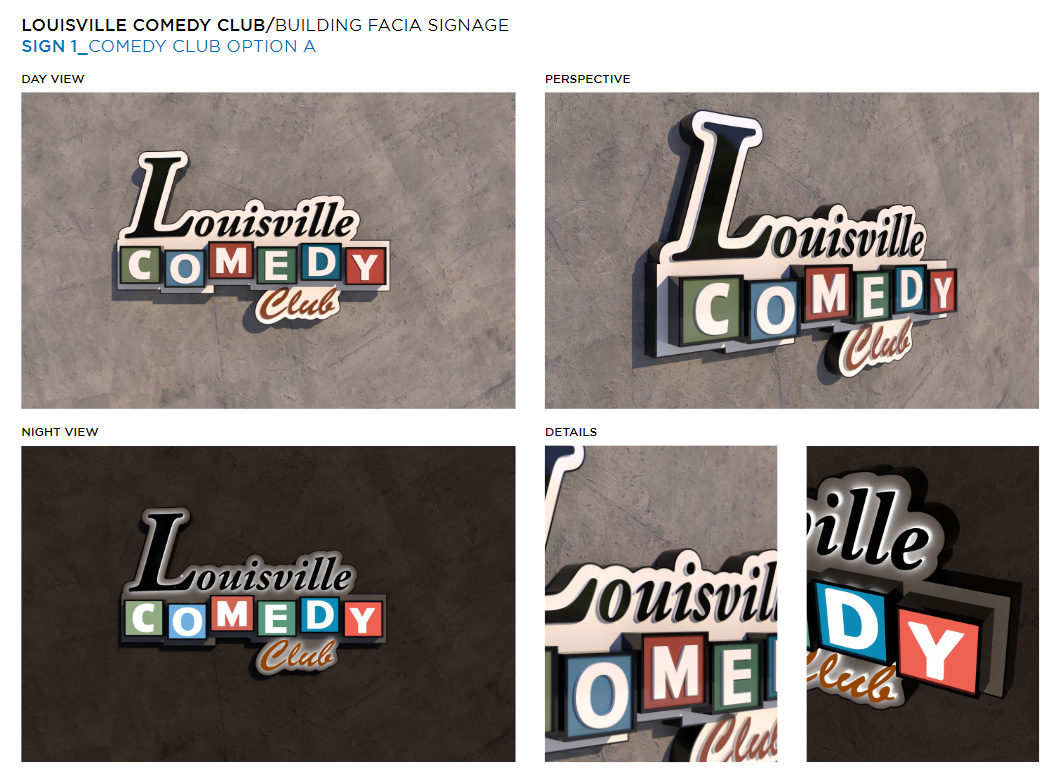
Branded environments signage design places the brand at the heart of the spatial experience. In this approach, signage is not an isolated element—it is integrated within a cohesive visual system that connects architecture, interior design, technology, and brand identity.
When a brand aims to exist in physical space beyond visual identity elements such as logos or brand guidelines, it must deliver a tangible experience, not just a graphic expression. This is where branded environments signage plays a role far greater than traditional signage functions, such as:
- Sign
- Wayfinding
- Environmental graphics
- Digital experiences
- Material selection and detailing
Branded signage functions as an integrated system that bridges visual identity with the physical experience. It translates brand attributes into form, scale, materials, color, and visual tone—always aligned with the surrounding environment. The result is a space where the brand is intentional, immersive, and authentic.
What is the purpose of Branded Environments Signage Design?
The primary goal of branded environments signage design is to build proximity, trust, and emotional connection with customers, all of which directly support long-term business growth.
According to data from Capital One Shopping, 88% of American consumers buy from brands they trust. Furthermore, customers who form an emotional connection with a brand are worth up to 50% more than those who are simply highly satisfied.
Through this discussion, The Sign Pack invites you to explore how effective branded environments signage is implemented and which key aspects must be carefully considered to ensure that brand experiences are not only seen but truly felt.
What Are the Essential Functions of Branded Environments Signage?
Signage in branded environments is more than a single sign or a simple location marker. It serves as part of the brand’s language within physical space, guiding people as they navigate, experience, and understand the brand.
In branded environments, signage serves several critical roles:
- Translating visual identity into the built environment
- Acting as part of the brand language and an effective storytelling tool
- Creating a strong and memorable first impression upon entry
- Providing consistent, brand-guided navigation through wayfinding
- Evoking positive emotional responses toward the brand
- Serving as a transition between architecture, interior design, and visual communication
It is important to understand that Branded Environments Signage is fundamentally different from Traditional Signage, as outlined below:
Branded Environments Signage: This approach is an integral part of the architectural environment itself, focused on creating an immersive experience. Branding signage design functions as a cohesive system that is consistent, meaningful, and context-driven.
Traditional Signage: This type of signage focuses primarily on basic functionality, such as increasing brand visibility and directing visitors to a business location.
Branded environments signage design enables brands to communicate their values through physical form, scale, color, and material choices. When executed thoughtfully, it delivers a physical and visual experience that is both effective and memorable.
Why Sign Company Choose The Sign Pack
Trusted reliability. Designed for growing businesses.
From creative designs to express delivery, we enable your sign company to maximize productivity and profitability.
Key Elements of Branded Environments Signage
As the front line and the first point of contact between visitors and a business, branded environment signage plays a decisive role in shaping first impressions. For this reason, designing effective signage in branded environments requires a far more thoughtful and layered approach than traditional signage alone.
There are four essential elements that form the foundation of successful branded environment signage. The first and most critical is Architectural Signage.
Architectural Signage
Architectural signage has a significant impact on brand identity. Its role goes beyond identifying a location. It becomes an integral part of the overall brand experience.
High-quality architectural signage is intentionally designed to convey professionalism and attention to detail. This craftsmanship shapes visitor perceptions, often establishing positive opinions before they even enter the building.
Well-executed architectural signage design delivers several key benefits for a business, including:
- Creating a strong first impression by establishing harmony between the brand and the architecture
- Increasing brand appeal and emotional connection, which helps build trust
- Enhancing brand perception, brand recall, and delivering a more engaging interaction experience
To achieve an ideal signage concept, brands should involve stakeholders from multiple disciplines. Collaboration among branding, architecture, interior design, and signage specialists yields smarter concepts and maximizes the brand’s overall impact.
For reference, we have previously outlined five fundamental aspects of Design Principles for Effective Signage, which include:
- Clarity and simplicity
- Strong visual hierarchy
- Clear readability
- Consistent branding elements
- Strategic placement
When these core signage design principles are thoughtfully integrated with architectural concepts, the result is a cohesive design that delivers valuable impact for the business.
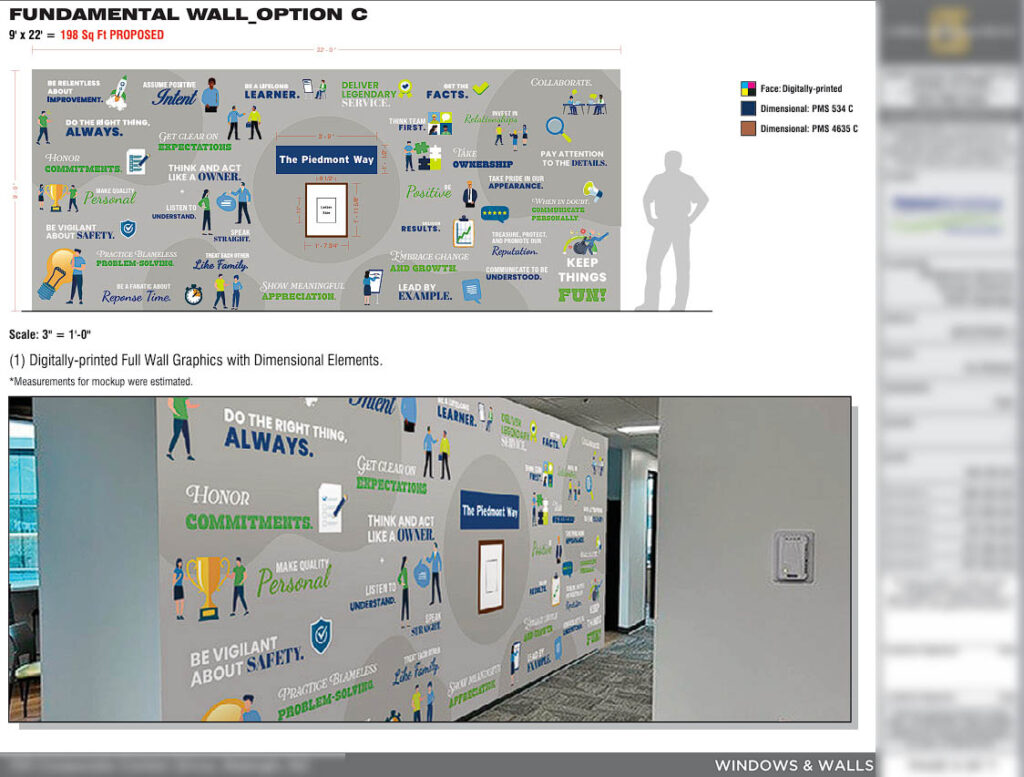
Wayfinding & Environmental Graphics
Wayfinding and environmental graphics are an inseparable part of branded environments. Their role goes far beyond decorative elements used to enhance a space. They are designed to ensure that every individual can navigate the environment with ease and confidence.
Directional signage plays a critical role in guiding people from point A to point B, while simultaneously improving the overall user experience. When thoughtfully designed, wayfinding becomes both functional and experiential.
Below are several key considerations when designing wayfinding and environmental graphics for branded environments:
- Designers must strike a balance between functionality and visual aesthetics, ensuring consistency across all wayfinding and graphic elements.
- Wayfinding is not simply about directions. It represents a brand-guided journey that delivers a cohesive and visually engaging experience.
- Wayfinding systems should comply with ADA requirements, demonstrating that the brand values accessibility and treats all customers equally, regardless of ability.
- Navigation paths should feel intuitive, with signage strategically placed to eliminate confusion and reduce friction throughout the space.
Digital Signage with Interactive Technologies
In today’s digital landscape, interactive technologies in digital signage deliver personalized content in compelling ways. These solutions enhance user engagement by presenting dynamic, relevant information based on customer preferences, often without requiring physical interaction.
One of the most widely adopted solutions is Sensor-Based Immersive Signage Displays, which respond to movement, presence, or behavior to create a more engaging experience.
In practice, there are many digital signage formats suitable for branded environments, including:
- Dynamic signage with dayparting features
- Immersive signage experiences that go beyond touchscreens
- Cloud-based signage systems with content scheduling and remote management capabilities
Advancements in digital signage technology have transformed how businesses interact with their customers, moving far beyond static displays or basic touch interfaces.
By leveraging the full potential of digital signage, brands can strengthen emotional connections with their audience while delivering interactive, memorable, meaningful, and brand-aligned physical and visual experiences.
| Also Read: Latest Signage Technology: Hidden Features Every Sign Company Should Know |
Materials and Details
Materials and details offer a powerful opportunity to create seamless transitions between architecture, interior design, and visual communication. Thoughtful material selection and refined details reinforce the impression and message conveyed to customers.
Dimensions, element composition, and design execution play a critical role in transforming a virtual brand concept into a tangible, physical experience in a real environment.
Below are several examples of impactful material and detailed applications in branded environments:
- Corporate headquarters use dimensional lettering made from solid wood or natural wood veneer combined with metal accents. These materials create a warm, human-centric atmosphere, ideal for brands that emphasize people and culture.
- Museums utilize etched stone or engraved concrete signage, allowing visitors to feel the weight, permanence, and legacy of the institution.
- R&D centers incorporating laser-cut aluminum panels with parametric patterns inspired by proprietary data or brand algorithms.
- Sustainability-focused companies apply signage made from recycled aluminum or reclaimed wood, finished minimally with visible joinery to communicate transparency and environmental responsibility.
- Green buildings implementing low-energy LED backlighting and recyclable materials aligned with LEED or BREEAM certification standards.
- Luxury residential developers select exterior signage crafted from cast bronze with a natural patina that evolves over time, conveying long-term quality, craftsmanship, and enduring value.
Materials and details represent the final element of branded environments’ signage that can turn subtle decisions into meaningful differentiation. Their impact is often understated, yet highly influential.
Why is this the case?
Because the true power lies in the alignment between brand, space, material, and executed detail. In many instances, materials and details can create emotional connections that graphics alone cannot.
Common Mistakes in Branded Environments Signage Design
Strategic signage planning is essential for creating impactful physical and visual experiences in branded environments. When executed well, it builds customer trust, encourages loyalty, and increases the likelihood of brand advocacy.
According to a report by Digital Silk, 94% of consumers in Japan state that trusting the brands they purchase from is important to them. In the United States, 90% of consumers share the same priority.
Therefore, signage for branded environments requires a well-defined concept and thoughtful planning. Every investment of time and budget should deliver meaningful results.
Below are some common mistakes to avoid to ensure branding signage delivers optimal results.
Signage Design Considered Too Late in the Process
As mentioned earlier, one of the most common reasons branded environments fail to perform effectively is when signage design is addressed too late.
This approach introduces several risks:
- Signage is forced to adapt to an already completed space.
- Sign placement becomes a compromise rather than a strategic decision.
- Visual conflicts with architectural elements become difficult to avoid, reducing overall impact.
Signage should be addressed at the outset of the spatial planning process. In branded environments, signage is intended to help shape the space—not just fill vacant areas.
Overemphasis on Aesthetics While Ignoring Function
In branded environments projects, the desire to create a strong visual impact often pushes signage functionality into a secondary role. This imbalance can lead to several common issues, such as:
- Wayfinding that looks visually appealing but is confusing and ineffective in guiding users.
- Poor readability, where information is difficult to process quickly due to text that is too small or lacks sufficient contrast.
- Low visibility due to signage placed outside the user’s natural line of sight.
- Weak visual hierarchy leads to critical information being overlooked or misunderstood.
While aesthetics are undeniably important, signage that fails to function properly ultimately creates a frustrating user experience.
Effective signage is not just about visual appeal. Its primary purpose is to communicate information clearly and efficiently, often within seconds.
We previously outlined concise guidelines for this topic in our article, “What Makes Effective Signage Design: Expert Tips & Methods,” which further explores how to balance visual impact with functional clarity.
Design That Fails to Consider Fabrication Constraints
Another common mistake in signage design is failing to account for fabrication and installation constraints from the outset.
Why does this become a serious issue?
- Design specifications that do not follow fabrication best practices can be difficult, or even impossible, to produce.
- Designs may require revisions or rework, leading to increased time and cost when they do not meet fabrication standards or site conditions.
- Design details that are complex or expensive to reproduce consistently across multiple locations.
- Forced changes to form or structure due to installation limitations that were not anticipated during the design phase.
In other words, effective branding signage design is not only visually compelling, but also fabrication-aware from the start.
Creating signage for branded environments requires more than design expertise alone. It demands a working understanding of fabrication methods, installation realities, and brand identity requirements.
It is also important to recognize that business or institutional signage involves a significant investment, including design development, permitting, fabrication, installation, and ongoing maintenance.
For this reason, if your company is planning signage, especially for large-scale or complex projects, collaborating with experienced specialists is highly recommended.
For further insights on this topic, we invite you to read our article, Signage Production Process Best Practices: From Design to Fabrication, which explores how thoughtful planning bridges design intent and real-world execution.
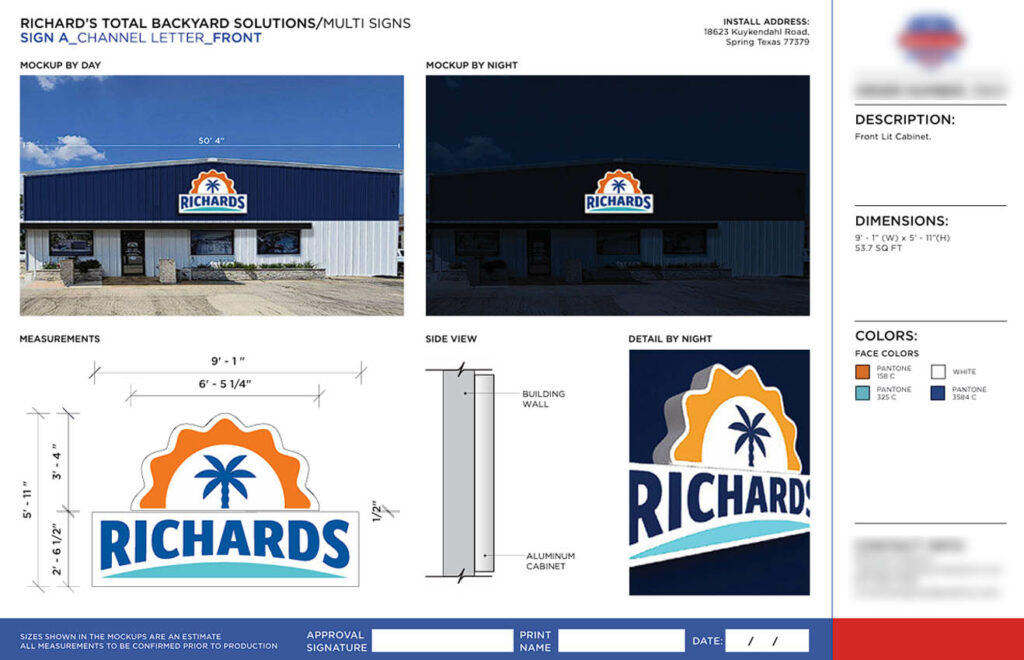
Key Aspects to Consider
To create effective branded environments signage, there are several critical aspects that must be carefully addressed, including:
- Viewing signage as a cohesive visual system
- Treating signage as an experience, not merely a physical object
- Understanding how the brand is translated into physical space (brand translation)
Without fulfilling these core principles, branded environments cannot deliver a cohesive physical experience that strengthens brand–user interaction in real-world spaces.
It must be acknowledged that many branded environments signage design projects fail. The issue is rarely rooted in design quality or production capabilities. Instead, it often stems from the following factors:
Signage design is not considered part of an integrated system but rather treated as a separate, isolated element.
Signage is addressed too late in the process, viewed as an “add-on” after interior design and architectural decisions have already been finalized.
Ideally, signage design should be considered from the very beginning of a project. When signage is planned early, the final outcome can align seamlessly with both brand identity and architectural intent.
This reality highlights the importance of strong collaboration among key stakeholders, including:
- Brand and marketing teams
- Interior designers and architects
- Environmental graphic designers
- Developers and property owners
- Specialized sign design partners
This collaborative approach enables the creation of branded environments that are harmonious, intentional, and capable of delivering a deep, multisensory experience that surpasses static advertising.
Differences Between Signage Systems vs. Branded Environmental Signage Design
Signage System Design and Branded Environment Signage Design belong to the broader category of signage strategies, but each addresses the project from a different primary perspective. Clarifying these differences helps prevent confusion when developing an overall approach.
- Signage System Design is focused on the functional aspects of a signage program. Its main objectives are to enable smooth navigation, enhance usability for all users, and ensure operational clarity across every sign within an environment.
- Branded Environment Signage Design, in contrast, emphasizes the experiential element of signage. This approach centers on how a brand’s identity is communicated and reinforced within a space, weaving branding into the user’s physical experience.
In a branded environment, signage is woven into an overall experience. Here, signage supports not just navigation but also the expression of brand values, integrating seamlessly with architecture, interiors, and technology to create a holistic feel.
The distinction can be summarized as follows:
| Aspect | Signage System Design | Branded Environment Signage |
| Focus | Navigation | Brand experience |
| Purpose | Help people find their way | Express the brand within a space |
| Priority | Clarity & usability | Emotion & storytelling |
| Output | Wayfinding system | Immersive brand environment |
| Common Applications | Airports, hospitals, campuses | Retail flagships, HQs, museums |
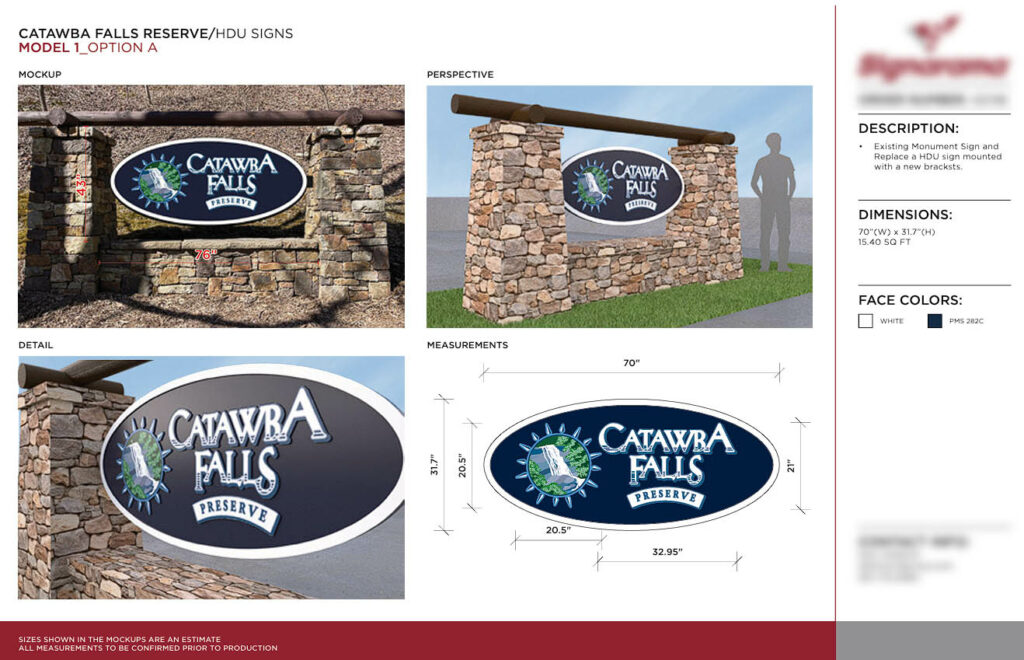
From Visual Identity to an Intuitive Physical Experience
Ultimately, the signage design in branded environments is not about making signage look appealing in isolation. It is a holistic concept that positions signage as an integral system—form, scale, material, and architecture—working together intentionally and consistently.
The goal of implementing branded environment signage is to create engaging experiences that strengthen emotional connections with customers.
When signage is designed as part of the experience rather than as a standalone object, the result is an environment that feels clearer, more intuitive, and more authentic to the brand it represents.
Branded environments signage design is more than a single sign or location marker. It is part of the brand’s language, interpreted through physical space, helping individuals navigate, experience, and fully understand the brand.
This approach requires more than graphic design skills or signage production expertise alone. It demands a deeper understanding of:
- How a brand is translated into physical space
- How signage functions as a cohesive system
- How design must remain realistic in relation to materials, fabrication methods, and installation constraints
When these elements align, branded environments’ signage becomes a powerful bridge between visual identity and an intuitive, meaningful physical experience.

The Sign Pack as Your Partner for Branded Environments Signage Design
The Sign Pack is a specialized sign design partner for branded environments projects. With over 50 years of combined experience in the sign industry, we understand the complexities and challenges of delivering effective signage across a wide range of sectors.
We collaborate with brand teams, designers, and sign companies to bridge the gap between visual concepts and physical implementation. Our approach ensures that signage designs are brand-consistent, fabrication-ready, and practical to execute.
If you are planning a branded environment and want to ensure your signage truly functions as part of the overall brand experience, we are ready to support you with professional expertise.
Connect with our team of experts to learn more about our products and specialized services. We offer a range of support options, including:
- Signage Design for Complex Projects
- Creative Sign Layouts & 3D Renders
- Permit Drawings
- Pylon & Monument Signs
- ADA & Wayfinding
- Dimensional Signs
- Channel Letters
- Vehicle Wraps
- Window & Wall Designs
- And more.
Ready to elevate your brand’s physical experience?
Contact The Sign Pack today to schedule a consultation or request a project quote. Let’s create signage solutions that bring your brand vision to life.