For most sign companies today, fabrication capacity is no longer the primary constraint. Production equipment has become faster, more advanced, and increasingly automated.
In many ways, the industry has reached a kind of production parity. The equipment gap between competitors has narrowed considerably.
However, despite these advancements, one critical question remains:
Why do so many sign companies still struggle to improve operational efficiency and scalability, even with modern technology in place?
The real challenge rarely originates on the production floor. It starts much earlier, in the work that happens before production ever begins.
The same patterns tend to emerge across the industry:
- Inconsistent design file quality
- Errors in project information
- Design and knowledge bottlenecks that slow down production
- Team capacity that is not flexible enough to adapt to workload changes
- Disconnected processes between site survey, design, production, and installation
Individually, each of these might seem like a manageable inconvenience. Together, they form a ceiling that limits how far a company can grow.
Which raises an important question:
Is hiring more designers actually the answer?
In most cases, the answer is not that simple.
Adding headcount can provide short-term relief, but without systems that ensure consistency and scalable workflows, it tends to introduce new complexity and higher fixed costs without solving the underlying problem.
This reality reflects a fundamental shift already underway across the signage industry.
Growth is no longer driven solely by fabrication capacity or production equipment. Increasingly, it is driven by a company’s ability to manage design capacity and build a scalable operational foundation that can absorb more work without breaking down.
As fabrication becomes more efficient, the competitive advantage is shifting upstream, toward how design is managed, prepared, and integrated into the broader operational workflow.
For sign companies looking to improve efficiency, protect margins, and take on more projects without burning out their teams, this shift is not just relevant. It is a strategic imperative.
This article explores how sign companies can scale design capacity more effectively, without relying on headcount as the default solution.
Why Design Capacity Is the Real Growth Bottleneck
The signage industry is evolving quickly, and the competitive dynamics are shifting in ways that many companies have yet to fully internalize.
With fabrication capacity no longer the primary constraint, competitive focus is shifting toward an area that was once treated as a supporting function: design.
For many organizations, the challenge is no longer about the ability to produce signage. It is about whether design can keep pace with the speed and complexity of demand.
This shows up in several recognizable patterns:
- Limited scalability in sign design
- Inconsistent file quality
- Errors in project information
- Skill mismatches and knowledge bottlenecks
- Design backlogs, revisions, and rework that slow down production
- A team capacity that lacks the flexibility to adapt to workload changes
- Disconnected processes between site survey, design, production, and installation
When these issues go unaddressed, companies often find themselves perpetually busy but unable to achieve meaningful, scalable growth, even when market opportunities are strong.
In this environment, design has become a critical lever across the entire signage business value chain.
Design is no longer just a preliminary step before production. It directly shapes both sales effectiveness and overall operational performance.
- The higher the quality of design in a proposal, the greater the likelihood of winning the project
- The stronger the design capacity, the smoother the workflow from production through installation
Conversely, when design quality and capacity fall short, the effects ripple outward, from weaker sales presentations to project timelines that become increasingly difficult to manage.
At that point, design capacity limitations are no longer just a technical problem. They become a strategic constraint that caps the company’s growth potential.
To better understand this, let’s look at several situations commonly found in sign companies and how they directly impact the ability to scale.
When Operations Depend Too Heavily on Individual Designers
In many sign companies, operational workflows are still built around individual designers rather than structured, repeatable systems.
This tends to develop organically. As project volume grows, designers gradually absorb broader responsibilities, moving beyond visual execution into translating project requirements into production-ready outputs.
Over time, a single designer’s role can expand to cover:
- 2D design drafting
- Creative layout development and 3D visualization
- Preparing production-ready files for fabrication
- Developing technical drawings and permit drawings
For a while, this approach may work well enough. But as project complexity and workload grow, the cracks begin to show.
Critical knowledge, including material specifications, installation methods, and client preferences, tends to live inside the designer’s head rather than in a system the broader team can access.
When changes occur, whether due to increased workload, an absence, or staff turnover, workflows can be disrupted almost immediately.
Design capacity that once seemed adequate can become constrained almost overnight. Projects pile up, coordination grows more complex, and pressure on the remaining team intensifies.
This is not simply a staffing problem. It reflects how knowledge and workflows are structured, or more often, not structured, within the organization.
When design depends entirely on individuals, its capacity will always be limited by those individuals.
When design is embedded within a structured operational system, companies gain the ability to build capacity that is stable, consistent, and truly scalable.
The Talent Gap Is Real, and It Is Getting Harder to Ignore
Many sign companies still equate design capacity with designer headcount. That assumption is understandable, but it only tells part of the story.
The bigger issue is that finding designers who genuinely understand the demands of today’s signage industry has become a real challenge.
As technology has advanced, client expectations have risen with it. Today’s clients expect more than visual appeal. They expect technical accuracy, production-ready files, and a working knowledge of installation processes and local regulations.
This has made the role of a professional sign designer increasingly specialized, and the consequences of the wrong hire are not just inconvenient. They are costly.
Not all designers possess the combination of visual skill and technical knowledge required to produce files that are truly production-ready. That gap is more common than most companies expect.
Industry data reinforces this concern, pointing to a growing gap in the availability of qualified talent.
A report from Sign Media Canada found that 73.4% of professional sign designers are 50 or older, while representation among designers under 24 is effectively zero.
A Signs of the Times survey identifies recruiting and retaining talent as one of the most pressing challenges facing the industry.
In that survey, 42% of respondents cited labor-related issues as the industry’s single biggest challenge.
The roles most difficult to fill include:
- Installers
- Fabricators
- Technicians
While sign designers are not explicitly called out in the data, the reality on the ground suggests they face the same shortage.
According to Gemini Made, this talent shortage is compounded by the near-total absence of dedicated educational pathways for sign design.
Unlike architecture or engineering, which have well-established academic tracks, sign design has no formal pipeline to develop the next generation of practitioners.
When design capacity is tied directly to designer availability, these structural limitations become a ceiling on growth.
That is precisely where a shift in perspective becomes necessary.
Design capacity is not simply about how many designers are on the payroll. It is about how much work a system can process consistently, without compromising quality or creating delays.
From that perspective, the question shifts from:
“How many designers do we need to hire?”
To:
“Is our system built to handle a higher volume of work consistently?”
This shift in thinking is explored further in the next section, specifically in the context of building scalable design capacity without relying solely on expanding internal teams.
When Project Complexity Outpaces Team Capacity
Complex signage projects represent some of the most valuable opportunities a sign company can pursue. They open the door to larger contracts, higher margins, and long-term client relationships.
But realizing that value depends almost entirely on how complexity is managed from the outset.
When complex projects are not supported by adequate systems and team capacity, challenges escalate quickly. Repeated revisions lead to production errors, and production errors erode margins.
At that point, complexity stops being an opportunity and becomes a liability.
The operational impact is predictable and significant:
- Declining execution quality and missed deadlines
- Budget overruns that erode project margins
- Stakeholder coordination that becomes increasingly time-consuming
- Team pressure that leads to avoidable, costly errors
These conditions do not just slow down deliverables; they also delay them. They affect how clients perceive your company’s professionalism and reliability, which has long-term consequences.
That said, complexity handled well is a genuine competitive differentiator.
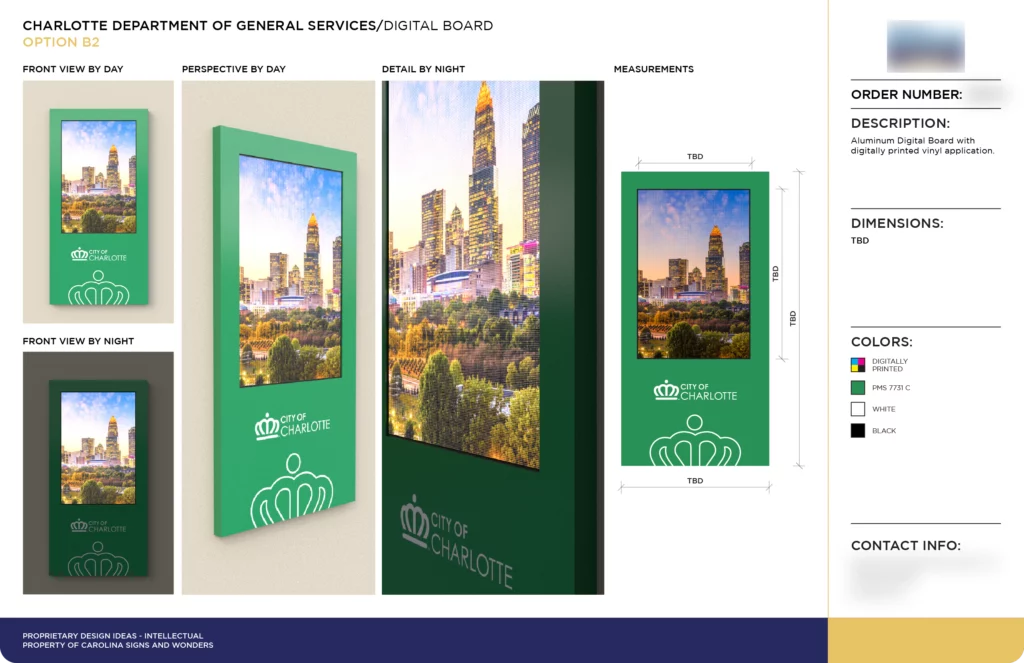
Large-scale facilities such as hospitals, campuses, and corporate headquarters do not just need a few signs. They need fully integrated signage systems, often comprising dozens or even hundreds of individual elements.
Sign companies that can manage projects at this scale unlock meaningful strategic advantages:
- Higher contract value: Complex projects typically carry larger contracts and create ongoing opportunities as facilities evolve over time.
- Stronger market positioning: Companies that get in early on a signage system are better positioned to support future expansions and renovations
- Enhanced reputation: Delivering large, complex projects builds the kind of industry credibility that is difficult to earn any other way
Sign companies that can manage projects at this level tend to reposition themselves in the market, moving from vendor to strategic partner, guiding clients from concept through completion.
Viewed through both lenses, risk and opportunity, the conclusion is the same: complexity is not something to avoid. It is something to be prepared for.
This is precisely why a scalable design system matters. It ensures that every project, regardless of complexity, can be executed with consistency and structure.
| Also Read: Signage System Design: How to Manage Complex Signage Projects Without Costly Breakdowns |
Why Sign Company Choose The Sign Pack
Trusted reliability. Designed for growing businesses.
From creative designs to express delivery, we enable your sign company to maximize productivity and profitability.
What a Scalable Design System Actually Looks Like in Practice
Design capacity is not determined by how many designers are on your team.
It is defined by how much work a system can process consistently, without compromising quality or creating new bottlenecks.
That distinction becomes increasingly important as workloads grow and project complexity increases.
Rather than asking:
“Do we need more designers?”
Companies can begin shifting their perspective to:
“Is our design system built to handle a higher volume of work, consistently and without breaking down?”
That shift in thinking may seem subtle, but it has significant implications for how companies build and scale their operations.
When design is treated not as a standalone function but as part of an interconnected operational system, a different approach becomes possible.
One that does not rely on headcount alone, but instead builds a foundation that allows capacity to grow in a stable, predictable, and measurable way.
To be clear, a scalable design system does not mean standardizing creativity or constraining your design team.
On the contrary, it ensures that every task flows through a clearly defined process, supported by a structure that enables consistency, efficiency, and production readiness.
Here are the key principles that form the foundation of a scalable design system.
Eliminating Rework Is the Fastest Way to Expand Capacity
If there is one principle that underlies every scalable design system, it is this: eliminate the conditions that create rework. This is the direct opposite of what happens in complex projects that are poorly managed.
When rework is minimized, production capacity increases naturally. That is the outcome every sign company operator is working toward.
If you are looking to build the systems and processes that drive profitability long-term, the answer keeps coming back to one thing:
Minimizing rework at every stage of the workflow.
Revisions are a normal part of any design process. But when they happen too frequently, they create a compounding drag on the entire operation.
Each unnecessary revision ripples across the workflow:
- Designer time consumed by low-impact, repetitive corrections
- Fabrication and installation timelines pushed back
- Hidden costs that quietly erode margins
- Final designs that drift from the original concept, particularly when permits are rejected or calculations are off
When each project moves efficiently into production, supported by well-prepared, production-ready and permit-ready files, the results speak for themselves:
- Designers are no longer stretched thin across every stage of the project
- Operations become less dependent on any one individual
- Design capacity can scale in line with workload demands
This kind of environment is a clear signal that your company is building something sustainable, a system with scalable throughput and operational resilience.
| Also Read: How to Fix the Sign Permit Drawing Bottleneck and Keep Projects Moving Forward |
Shifting from Designer-Centric to System-Centric Operations
System-centric design operations refer to an approach where sign design workflows no longer depend on individual expertise.
When the system carries the workflow rather than the individual, design capacity becomes independent of who happens to be in the seat.
This directly addresses one of the most common realities in the industry: teams operating at 150% capacity for months or years, still taking on more work because the pipeline demands it.
The first step in making this transition is a mindset shift: design capacity should not be defined by, or limited to, the individuals currently filling those roles.
When design relies entirely on individuals, the organization becomes dependent on them in ways that are difficult to see until something goes wrong.
When those designers leave, they take their knowledge and institutional expertise with them.
This can trigger a series of compounding consequences, including:
- Loss of critical institutional knowledge, including project logic, workflows, and hard-earned best practices
- A full reset of the learning curve every time a new designer is brought on
- Operational instability and mounting design backlogs
- A measurable decline in throughput and client service quality
- The persistent feeling that no matter how many people you hire, it is never enough
So how do you break that cycle?
The answer is to build a system that is not tied to specific individuals.
A system that strengthens the operational layer through a solid design foundation, enabling productivity to grow in a way that is both scalable and predictable.
Building Systems That Flex Across Different Operational Scenarios
For years, at events like ISA Sign Expo, we’ve seen firsthand demonstrations of the latest technologies designed to drive high levels of efficiency in signage production.
For many companies, fabrication capacity is no longer the limiting factor. Equipment is faster, more advanced, and increasingly automated, allowing production output to scale quickly.
But if that’s the case, why do sign companies still struggle with hidden margin erosion from:
- Revisions
- Permit resubmissions
- Shop-floor reinterpretation
- Misalignment between design and fabrication
This points to a deeper structural issue. Many sign companies lack the operational foundation needed to fully leverage the equipment they have already invested in.
The root cause is often unresolved bottlenecks at the most fundamental operational layer, specifically those tied to design capability:
- Design files that do not support the full workflow create misalignment between sales, design, and production
- Production files that are not fabrication-aware require costly shop-floor adjustments when project information is incomplete or incorrect
- Permit delays caused by non-compliance with sign codes or zoning requirements, turning revision cycles into sources of frustration and margin loss
- Production delays driven by design backlogs, resulting in schedule disruptions, customer dissatisfaction, and idle machines and crews
These are the reasons why many companies struggle to grow even when they are busy. As project volume increases, misalignment tends to increase with it.
One of the most effective solutions is partnering with experienced external teams that specialize in the signage industry. These teams function as an operational extension, integrating into your workflow to resolve bottlenecks without disrupting what is already working.
A sign design extended team provides immediate capacity without the cost and lead time of hiring, along with key operational advantages:
- On-demand support to scale design capacity
- Professional expertise across 2D, 3D, ADA, production- and permit-ready designs, as well as complex signage projects
- Consistent design file quality and standardized workflows
- Reduced hiring and turnover risks
With access to these capabilities, companies can better predict design capacity, reduce backlog, and maintain a smoother production flow.
This approach enables companies to build a healthy, scalable system with flexible, elastic throughput.
It also strengthens the overall operational foundation, preparing sign companies to handle a wide range of real-world scenarios, including:
- Peak season workload surges
- Shortages of experienced designers
- Production delays caused by design backlogs
- Skill mismatches within internal teams and maintaining multi-location consistency
- Comprehensive site surveys that support faster and more efficient production processes
Practical Strategies for Scaling Design Capacity Without Increasing Headcount
Scaling design capacity without adding headcount is no longer just a cost-saving tactic. For many sign companies, it has become a strategic necessity, particularly given the rising cost of hiring across the U.S. workforce.
According to Culture Amp, employee turnover can cost anywhere from 30% to 200% of an individual’s annual salary, factoring in job advertising, candidate screening, lost productivity, and the impact on team morale.
ZipRecruiter data puts the average sign designer salary in the U.S. at $50,768 per year, with top earners exceeding $60,000. That figure does not include benefits, software licenses, training time, or the productivity cost placed on senior team members during onboarding.
In most cases, a new hire takes 60 to 90 days to reach full productivity. During that ramp-up window, the backlog does not wait.
Meanwhile, clients expect faster turnaround times, and turning down work is rarely a viable option.
Growth requires preparation. The companies that scale well are the ones that build the right systems before the pressure hits.
Here are the most effective strategies for scaling design capacity without adding headcount.
Start with Complete Project Information and Site Survey Data
Comprehensive site survey documentation is a prerequisite for smooth project execution. It requires a disciplined, consistent approach to capturing:
- Photos from designated angles
- Key measurements and distances
- Notes on power sources, data access, mounting surfaces, and environmental conditions
Using platforms like SignScope.pro can make the site survey process more accurate, complete, and efficient, enabling projects to move forward with greater precision and speed.
Complete documentation eliminates guesswork, prevents repeated site visits, and significantly reduces the risk of costly last-minute corrections.
Raise the Bar with Pre-Production and Permit-Ready Files
The most critical bottlenecks in the signage industry that companies must address are:
- Designer scalability
- Inconsistent file quality
- Errors in project information
Left unresolved, these three issues cascade downstream and compound throughout the production process:
- Production downtime
- Underutilized resources
- Delayed timelines
- Margin erosion
Establishing clear internal standards for production-ready and permit-ready files is one of the most direct ways to reduce rework and increase effective production capacity.
There is a growing convergence between physical production capabilities and operational systems, and it underscores a truth that is becoming harder to ignore: advanced equipment alone cannot drive growth without a strong design foundation.
Many sign companies feel perpetually busy, yet operational pressure keeps rising.
Even with broad technology adoption, workload pressures continue to rise when design-related bottlenecks go unaddressed. These same structural issues, from misaligned files to permit delays and design backlogs, continue to compound as project volume grows.
Separate Operational Capacity from Strategic Growth Capacity
For sign companies in a growth phase, one of the most important structural decisions is separating operational capacity from strategic growth capacity.
- Operational design capacity: This covers the work that is non-strategic in nature and can be delegated to a professional extended team. The goal is not to replace your in-house designers, but to build a scalable layer that strengthens your design foundation without disrupting existing workflows.
- Growth capacity: This is the work that shapes the long-term direction of your company. These responsibilities should stay within your internal team, as they have a direct and lasting impact on sustainable business growth.
In practice, most signage project work falls into one of two categories:
- Repetitive, non-strategic tasks: These include creating presentation layouts, producing 3D renderings, conducting site surveys, and preparing technical and permit drawings. This is operational capacity work that can be delegated.
- Strategic, growth-driven tasks: Including coordination, project review, pitching high-margin opportunities, and other high-value activities that contribute directly to business growth. These belong to growth-focused capacity.
Partnering with a Professional Extended Design Team
Working with a professional sign design extended team has become one of the most effective ways to support growth in an increasingly competitive market.
This approach brings together everything discussed throughout this article. When skilled designers are difficult to find and hiring costs no longer justify the return, an extended design team becomes the most practical and cost-effective path forward.
The goal is not to outsource your identity as a sign company or replace your in-house team. It is to add an operational layer that strengthens your design foundation, so your internal team can do their best work without being stretched beyond capacity.
The Sign Pack is built to serve exactly that role. As your extended design team, we reinforce your design foundation and integrate a scalable system directly into your operational workflow.
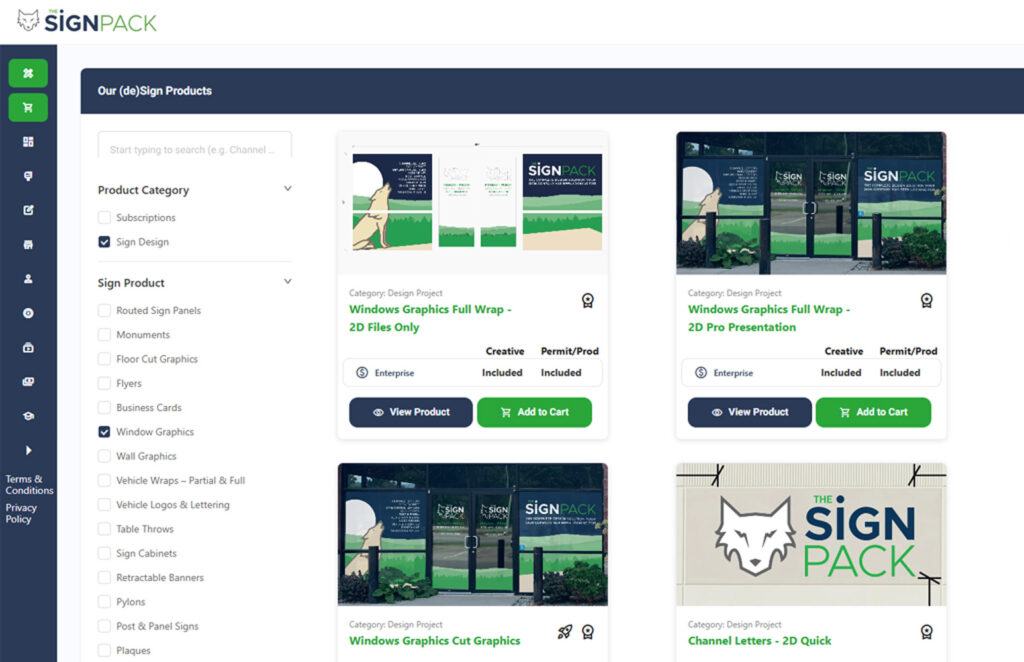
Through the TSP 3.0 platform, we provide professional design support across the full scope of signage work:
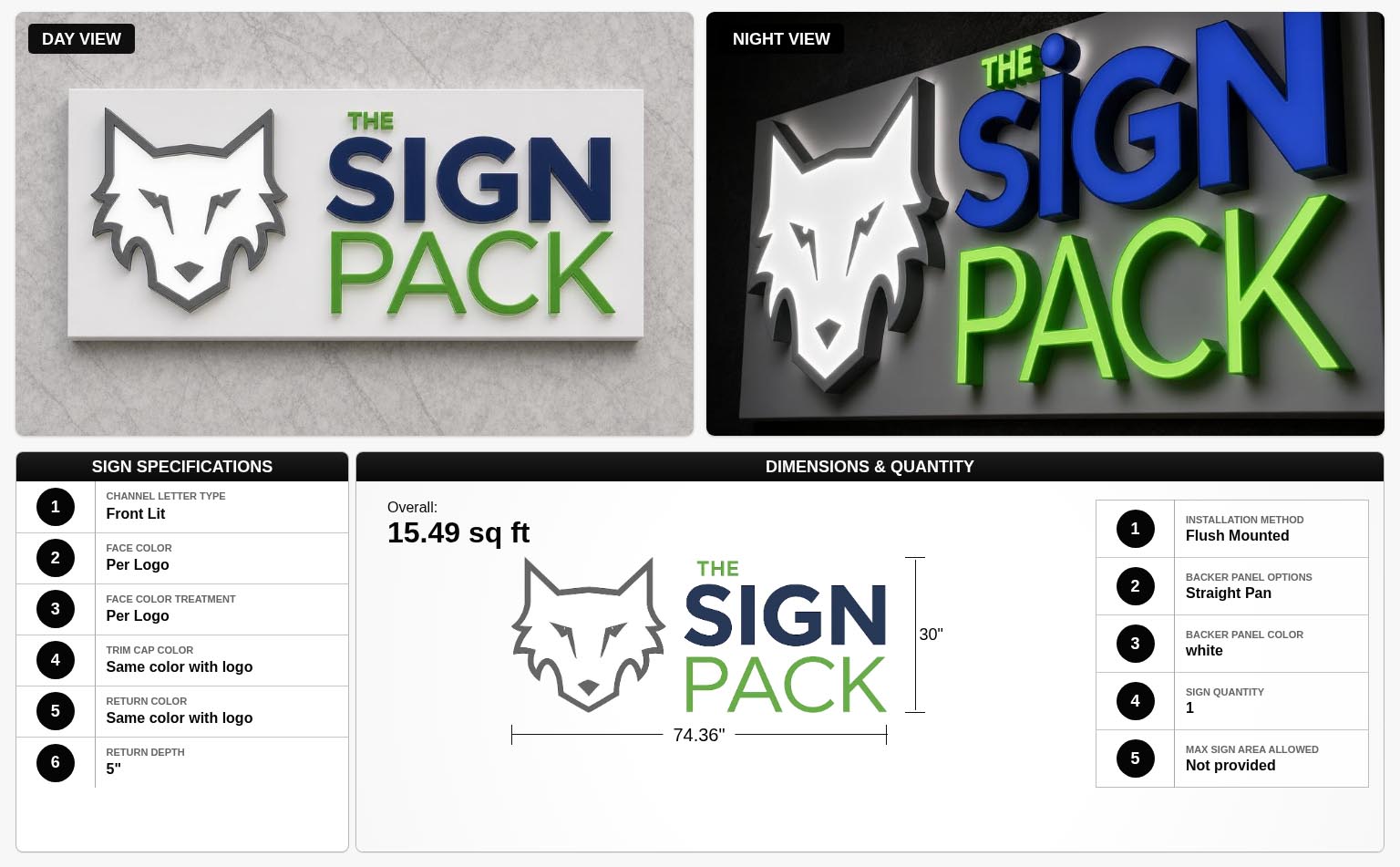
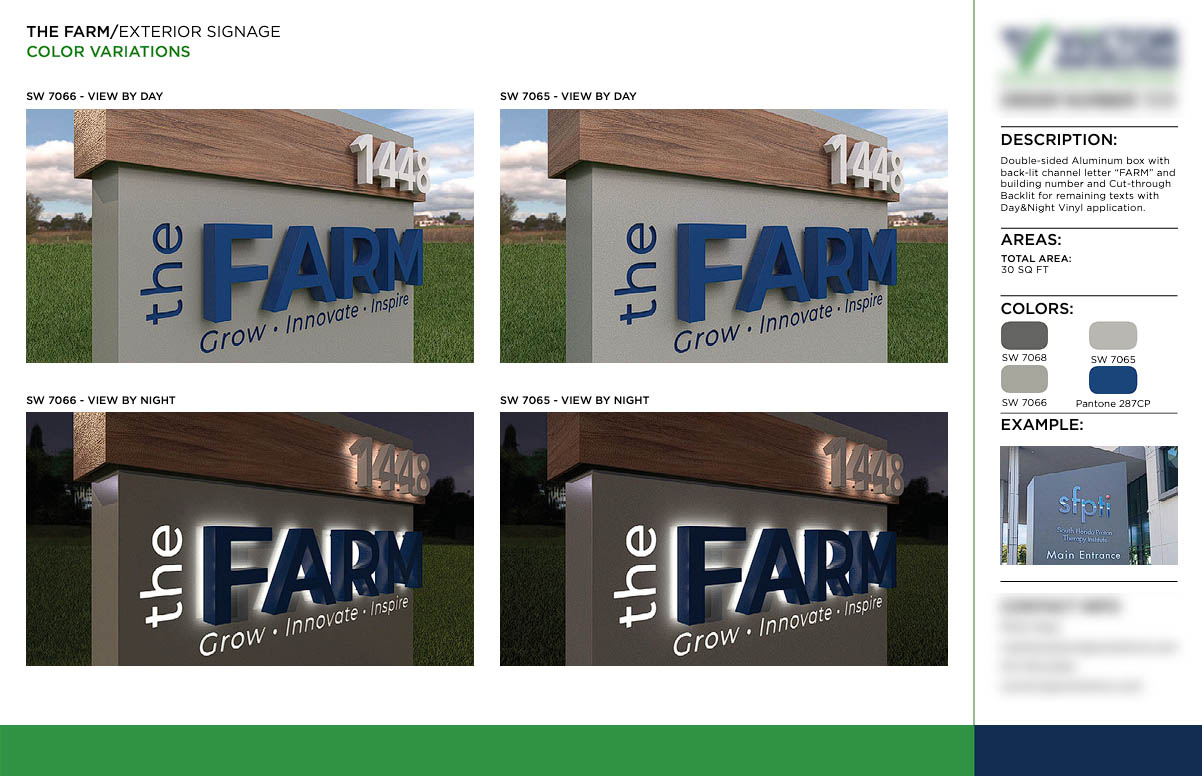
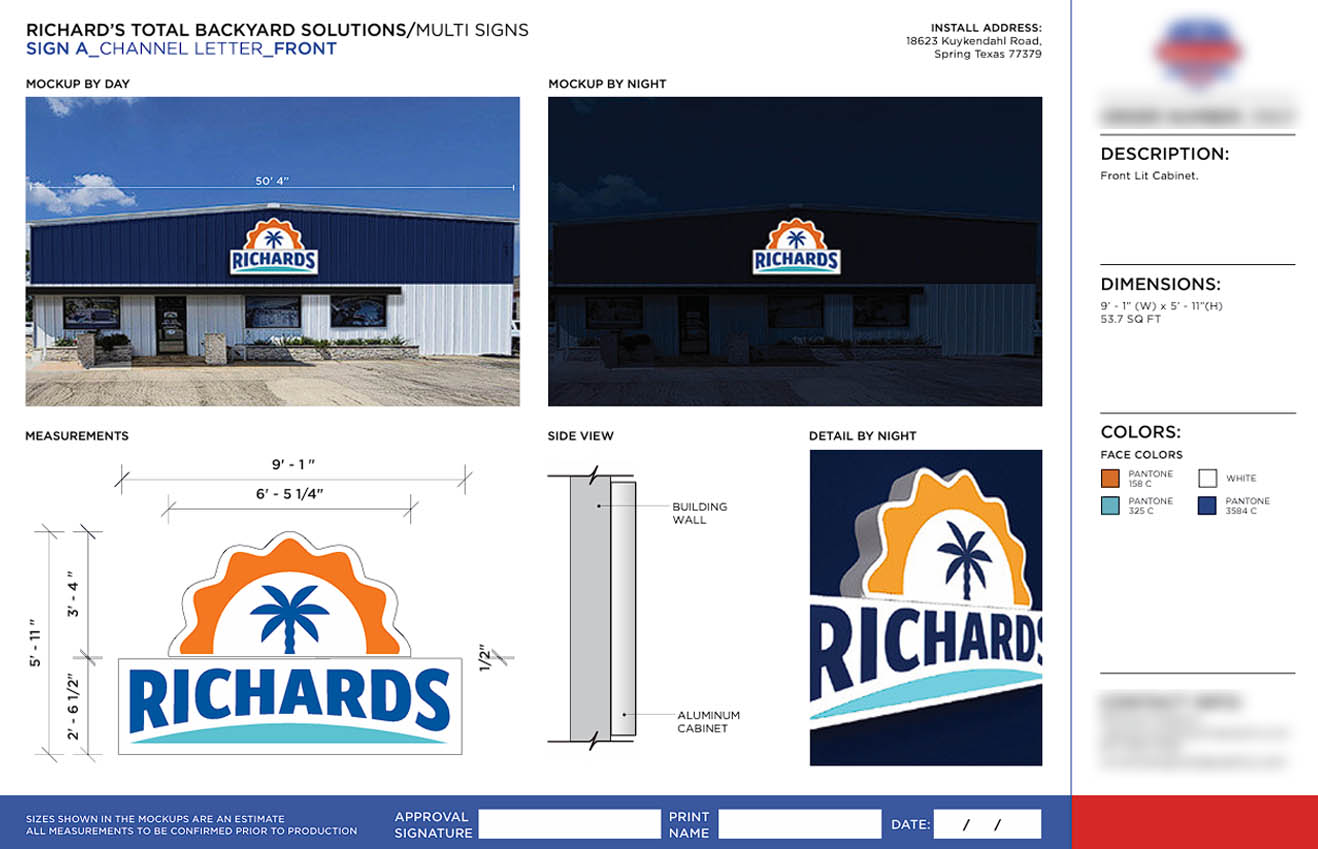
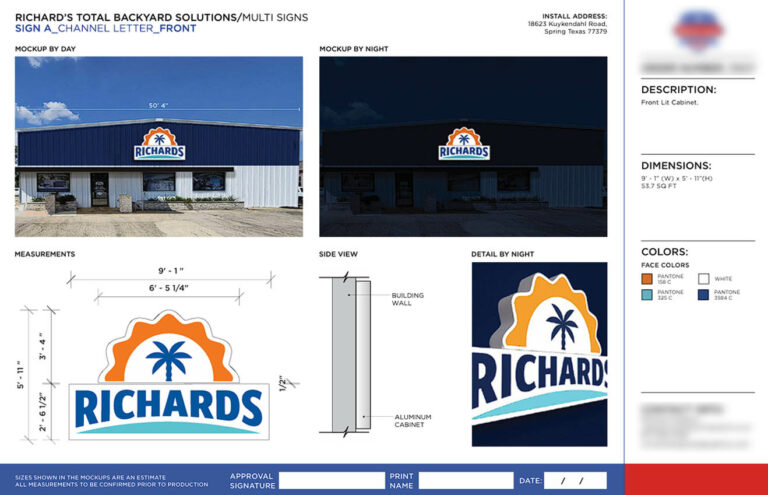
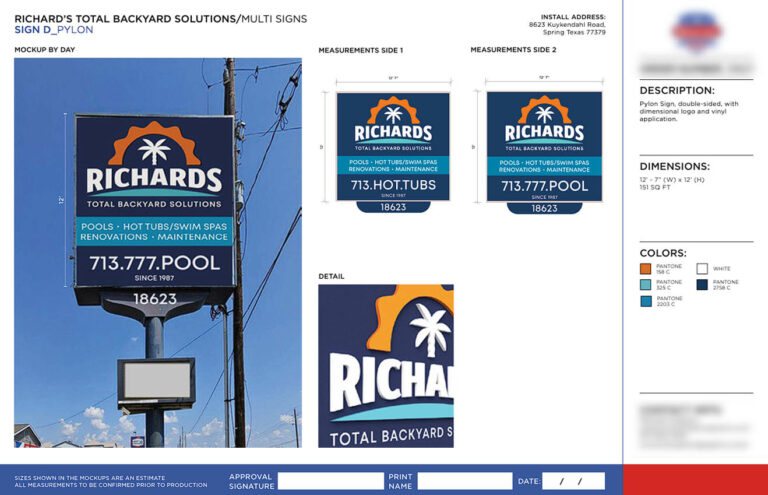
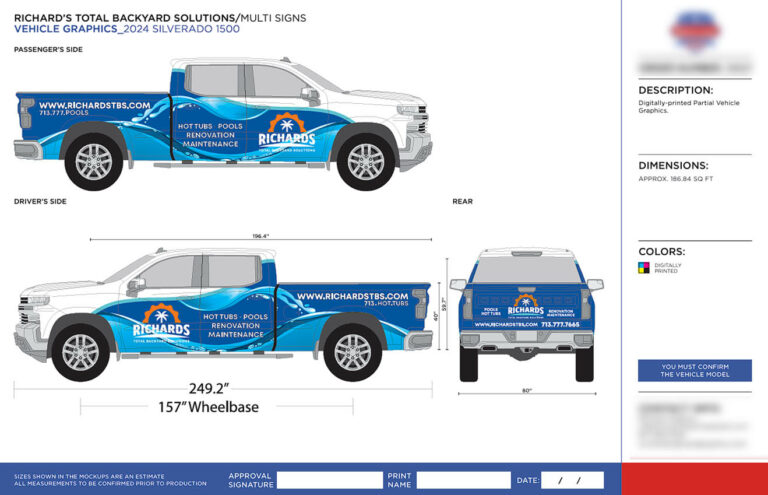
- Deliver graphic design solutions across a wide range of signage projects, including channel letters, monument signs, vehicle graphics, window graphics, ADA signage, wayfinding systems, and more.
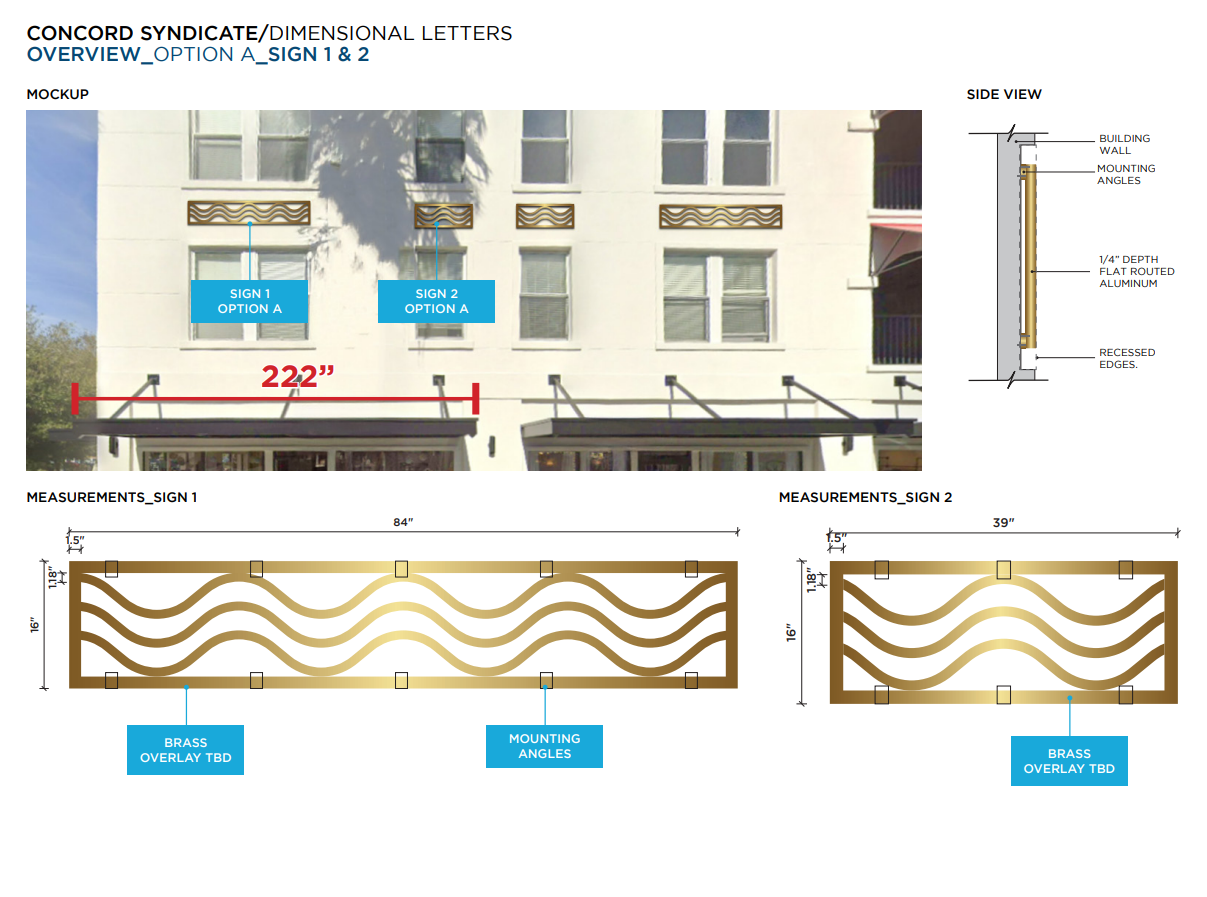
- Develop structured layouts and drawings for real-world fabrication and installation.
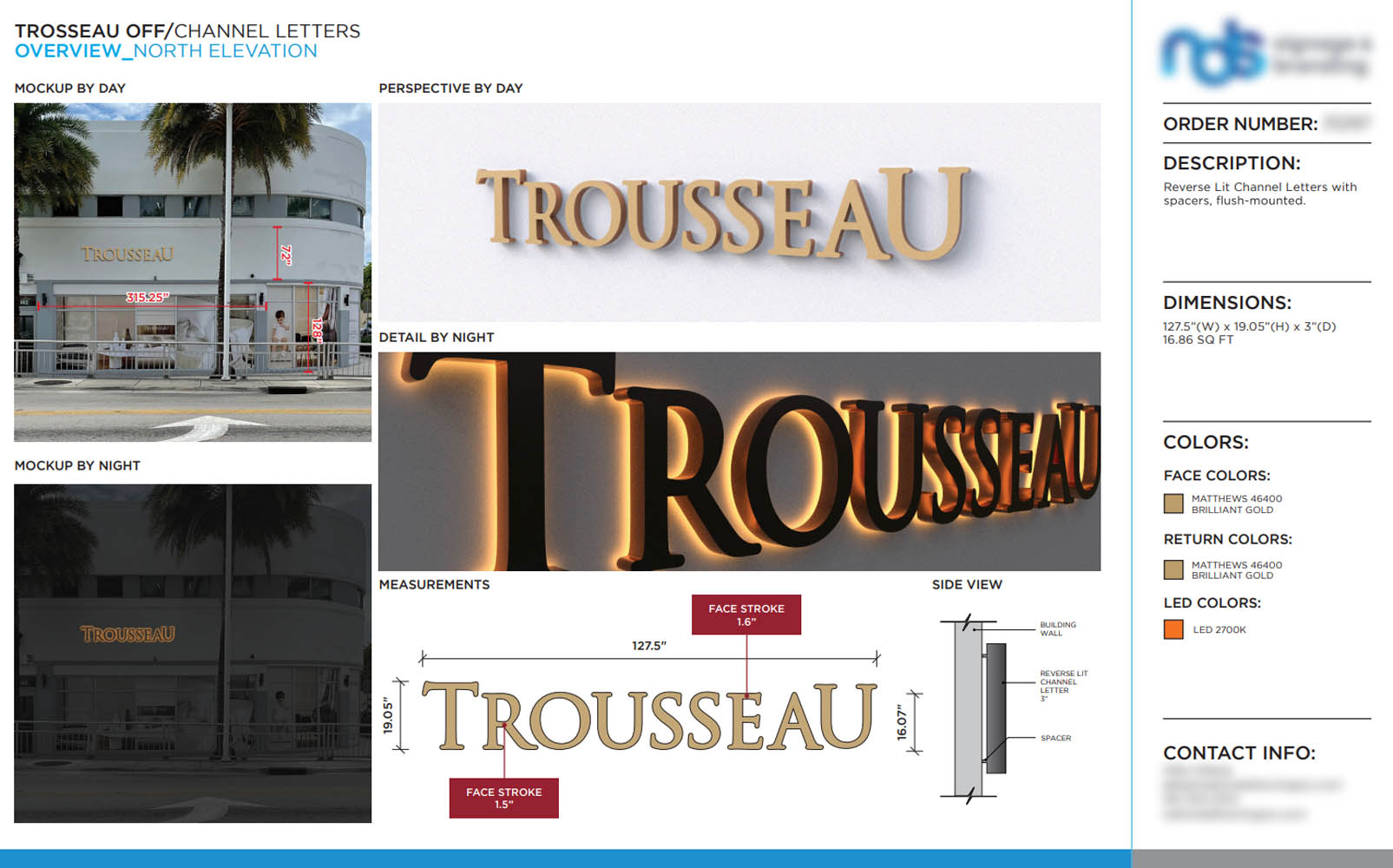
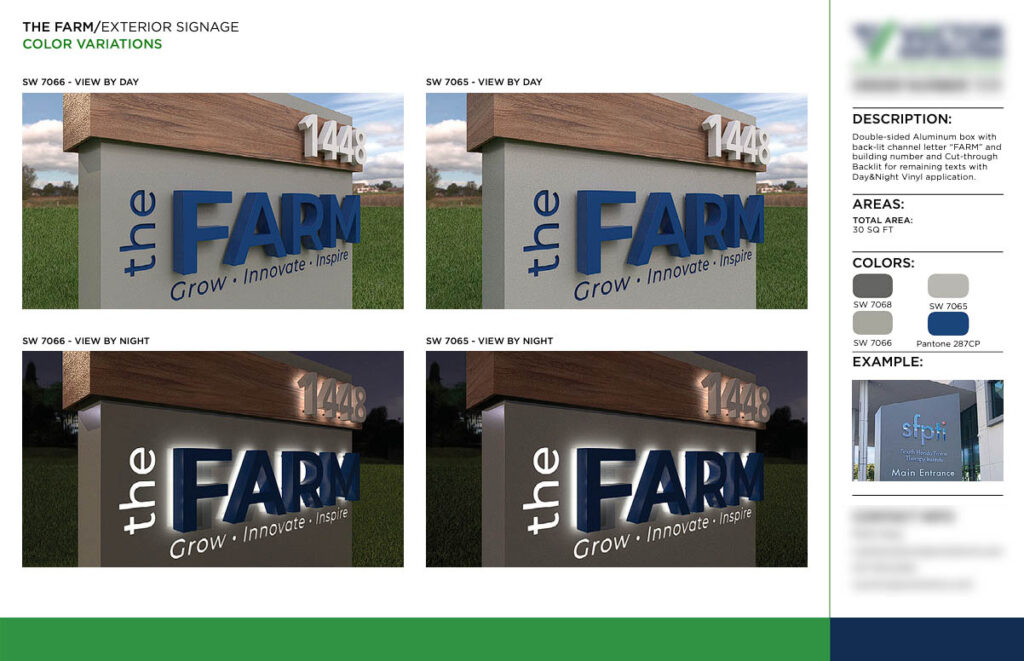
- Produce pre-production files and permit drawings that help projects move through engineering and municipal approvals with fewer revisions.
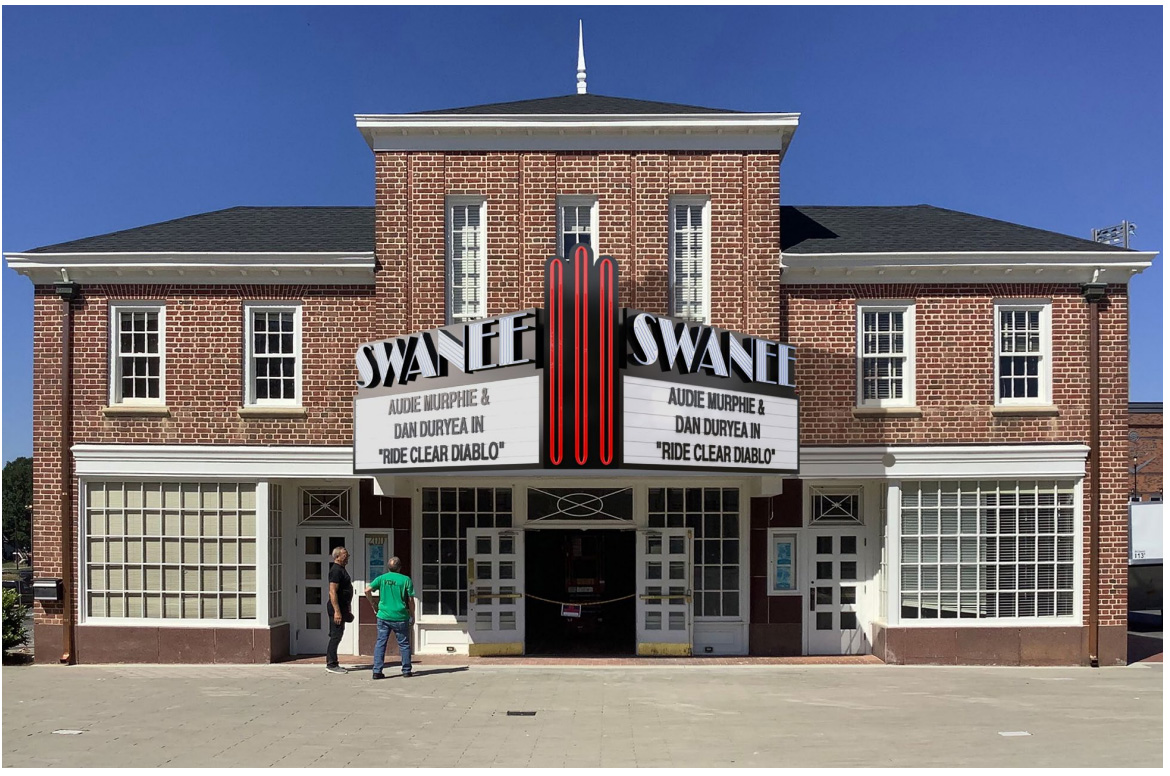
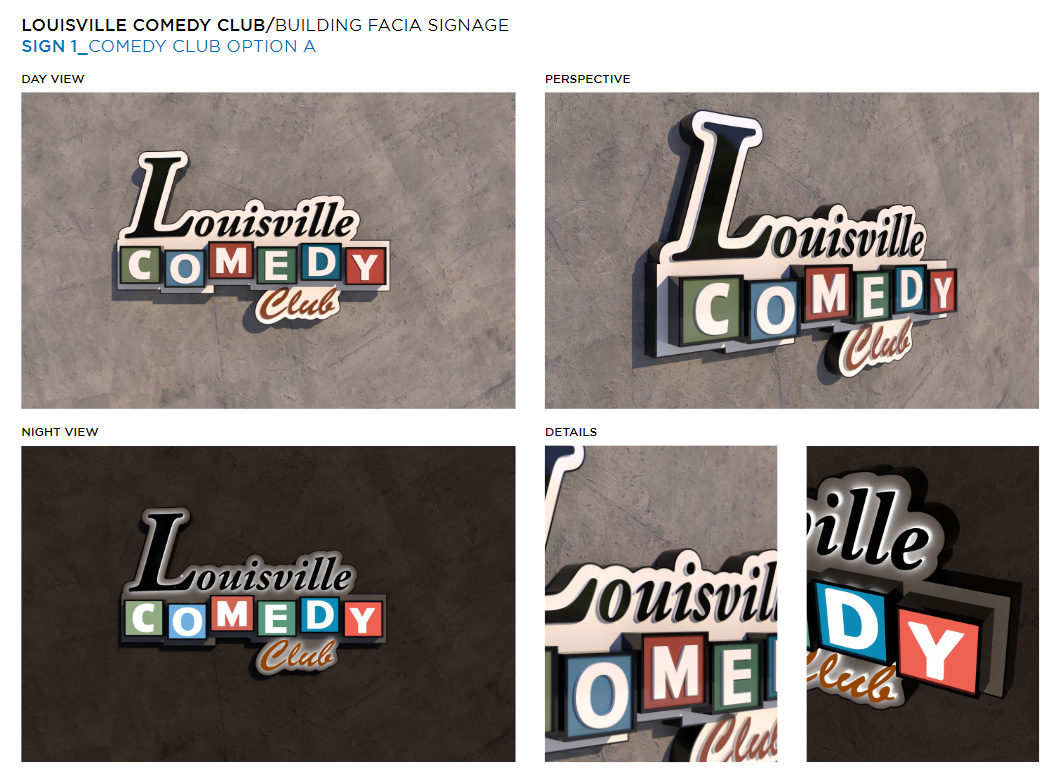
- Create compelling creative layouts and 3D renderings that equip your sales team with stronger presentation tools for complex and high-value projects.
- Handle repetitive, low-complexity design tasks—reducing the burden of non-strategic work without increasing fixed operational costs.
The Sign Pack is not an agency or a freelance marketplace. We are a strategic partner focused on driving productivity and operational scalability to support long-term business growth.
We provide sign design support and workflow systems purpose-built to address the most critical bottlenecks in the signage industry:
- Designer scalability
- Inconsistent file quality
- Errors in project information
We help sign companies improve production efficiency without the cost or complexity of hiring additional designers.
We do not replace your existing team. Instead, we eliminate the costly, recurring technical design bottlenecks that hold companies back, positioning The Sign Pack as a strategic solution for building stable, scalable workflows.
We are the extended team built to elevate efficiency, throughput, and design quality across sign companies of every size.
Ready to Build a Design System That Scales With You?
If your team is feeling the pressure of growing project volume, inconsistent file quality, or a design pipeline that cannot keep pace with demand, it may be time to rethink how your design capacity is structured.
The Sign Pack works alongside sign companies as a dedicated extended design team, helping you resolve bottlenecks, standardize workflows, and take on more work without adding headcount.
Let’s talk about where your operation stands today and what a scalable design foundation could look like for your business.