In many U.S. jurisdictions, the sign permit process requires submitting a complete application package, not just filling out a form.
That submittal package usually includes sign permit drawings, which city reviewers use to evaluate compliance with sign codes, zoning rules, and (in some cases) structural and safety requirements.
As a critical part of the sign permit process, your application documents must follow the standards set by each jurisdiction. Failing to do so can lead to delays that consume both time and profit margin.
Across many U.S. signage projects over the past few years, sign permit delays often trace back to the same recurring issues:
- Missing or incomplete documents.
- File formats that don’t match digital submittal rules.
- Sign codes/zoning that only get addressed after the design is finished.
- Unclear submission methods (for example, different portals or permit types for certain cases).
For sign companies, sign permit drawings should not become a bottleneck that halts production and installation if they are managed correctly from the outset.
From our experience working with sign companies, we’ve found that city reviewers typically “reward” thoroughness and complete documentation more than speed alone.
Instead of submitting an application and hoping for approval, your team can proactively prepare the submittal package to minimize revision requests and keep the project on track.
When drawings and supporting documents are clear and complete from the outset, the review process typically proceeds more smoothly, with less back-and-forth and fewer surprises.
In this article, The Sign Pack shares our experience on:
- How to prepare strong sign permit drawings.
- How to spot common bottlenecks before they show up.
- How to apply a systematic approach that significantly reduces the risk of delays.
Whether you handle permit drawings in-house or work with a professional service, these strategies are designed to help keep your sign projects on schedule and on budget.
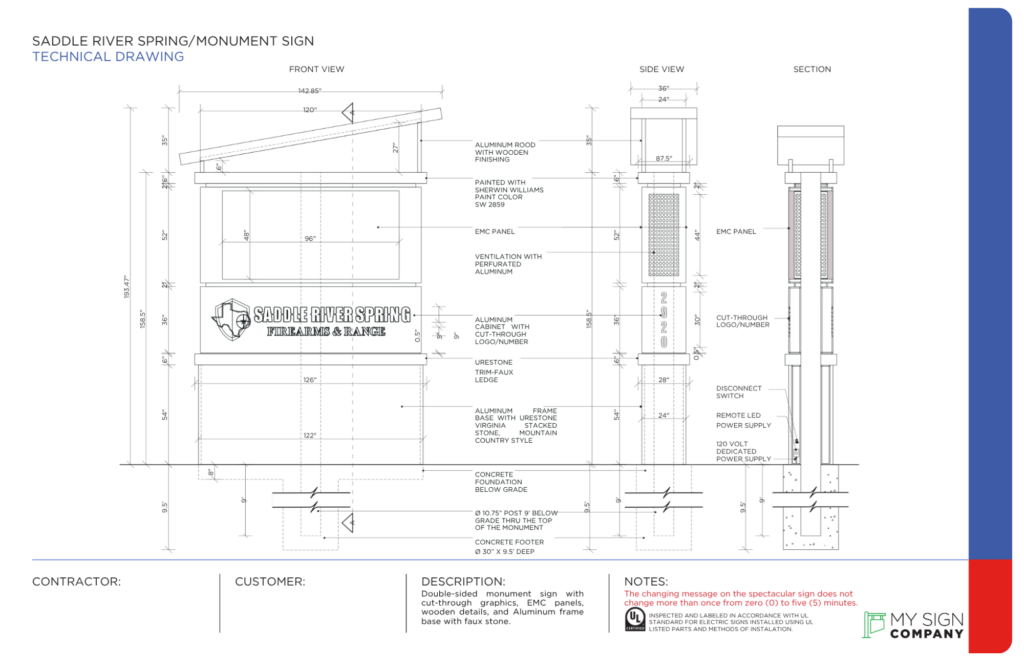
Spotting the Bottlenecks in Sign Permit Drawings
In many U.S. cities, the sign permitting process can take approximately 2 to 6 weeks for standard signs. For signage in historic districts or projects requiring special exceptions, the timeline can extend to several months.
At the same time, it’s not uncommon for businesses to pay permitting fees ranging from tens to several hundred dollars per sign, depending on the jurisdiction and the project’s size. That time and investment are too valuable to risk on preventable delays.
In most cases, permit delays stem from predictable issues that you can identify and address before submitting your application.
Here are a few key points to anticipate so your sign permit process runs smoothly.
Missing or Outdated Documents
Sign permit delays most often start with incomplete or outdated documentation—not with complicated technical problems.
When your application package is deemed incomplete, many cities will reject it at intake and request revisions before it moves to a full review. That can easily add several extra weeks to your signage project timeline.
Across many jurisdictions, city reviewers routinely flag incomplete applications as a leading reason for rejection or requests for additional information.
For example:
- Applications submitted without the required structural calculations.
- Applications submitted without proof of ownership or property owner authorization.
- Applications submitted without a scaled site plan.
Once the city issues a request for additional documents, your file often drops out of the normal review flow and sits on hold until all required documents are provided. That effectively stops project progress until your team responds.
Common missing-document issues in sign permit drawings include:
- Stamped structural calculations: Often required for freestanding signs or signage above certain heights and loads, and almost always a rejection point when missing.
- Scaled site plans and proof of ownership: Including landlord authorization for leased properties, so the city can verify location and legal right to install.
- Elevation certificates: Important for projects in flood zones to meet FEMA requirements and local codes.
- UL labels and electrical specs: Required for illuminated signs to pass electrical and safety review.
Ensuring all required documents are complete and aligned with the city’s checklist before starting your permit drawings is a proactive step toward a smoother sign permit process.
Inconsistent File Formats
Digital submittal requirements have created a new category of rejection: technical rejections that happen before a reviewer even looks at your drawings.
Along with these policies, many U.S. cities enforce strict standards for file formats, page orientation, and naming conventions. They expect you to follow these standards exactly.
If your files don’t meet the city’s published criteria, for example:
- File names don’t follow the required pattern
- File size exceeds the maximum limit (over 1 GB per file)
- Pages are rotated incorrectly or blurry
…your permit package can be returned at the prescreen stage.
In some e-plan review systems, encrypted or password-protected files can’t be processed at all and will be rejected until the protection is removed.
That reality underscores the importance of setting internal standards for file formatting and naming that align with the city’s guidelines.
By anticipating file format issues early, you reduce the risk of your application being delayed due to preventable technical errors.
Late Zoning or Overlay Checks
Designing signage without aligning it to zoning codes is one of those Sign Design Mistakes that can quietly destroy your margin.
A few zoning realities to keep in mind:
- In U.S. cities, sign codes are adopted and enforced at the local level, so requirements can vary from one city or jurisdiction to the next.
- When a design is created without factoring in sign codes from the beginning, the likelihood of rejection or revisions during permitting goes up significantly.
- Discovering a zoning conflict after the permit drawings are complete is one of the most expensive mistakes a sign company can make.
- If zoning requirements are only checked after the design is finished, your chances of passing the first-round review drop sharply.
- Regulations are often strict around sign height, right-of-way setbacks, total sign area per building façade, and other rules that can change dramatically between districts within the same city.
It’s also worth noting that additional requirements may apply in historic districts, overlay zones, or corridor regulations. These conditions often add extra limitations on size, materials, and lighting.
These stricter rules require more thorough planning at the outset of a signage project, particularly if your team aims to produce a permit-ready design from the beginning.
The key point: an application that clearly violates zoning codes will almost always trigger immediate rejection or significant revision requests, resulting in:
- The design team has to redo the work from scratch
- The project timeline slips again
- Operations become less cost-effective
| Also Read: How to Double Sign Production Efficiency Without Hiring New Designers |
Unclear Submission Methods
In the U.S., sign permitting, “submittal requirements” are more than just sending a packet to City Hall.
They include using the correct submission channel (often an online portal), whether you need separate applications per sign, and any additional permits that may apply (for example, trade permits for electrical work related to illuminated signage).
These requirements can vary widely by jurisdiction and sometimes even by sign type within the same city.
That variation is where avoidable delays begin. Common pitfalls include:
- One application per sign: Some jurisdictions explicitly require one application per sign (e.g., two signs = two separate permit applications), which can create multiple review cycles if it isn’t planned for upfront.
- Portal-specific intake rules: Some jurisdictions require sign reviews to be submitted through a specific online plan submittal process; using the wrong channel or missing an intake step can delay processing even if the drawings are solid.
- More than one reviewer: Depending on the jurisdiction, your permit may be reviewed by multiple departments (for example, planning/land use, building/structural, and the fire marshal), each with its own queue and comment cycle.
From a sign company’s perspective, the best way to reduce this risk is not to guess a city’s internal workflow, but to control what you can: provide a complete, consistent permit drawing package that is straightforward to intake, review, and comment on.
When your drawings are well-organized, and all required documentation is included, reviewers can often move faster with fewer back-and-forth requests. When anything is missing or unclear, the permit becomes a bottleneck that slows production scheduling and cash flow.
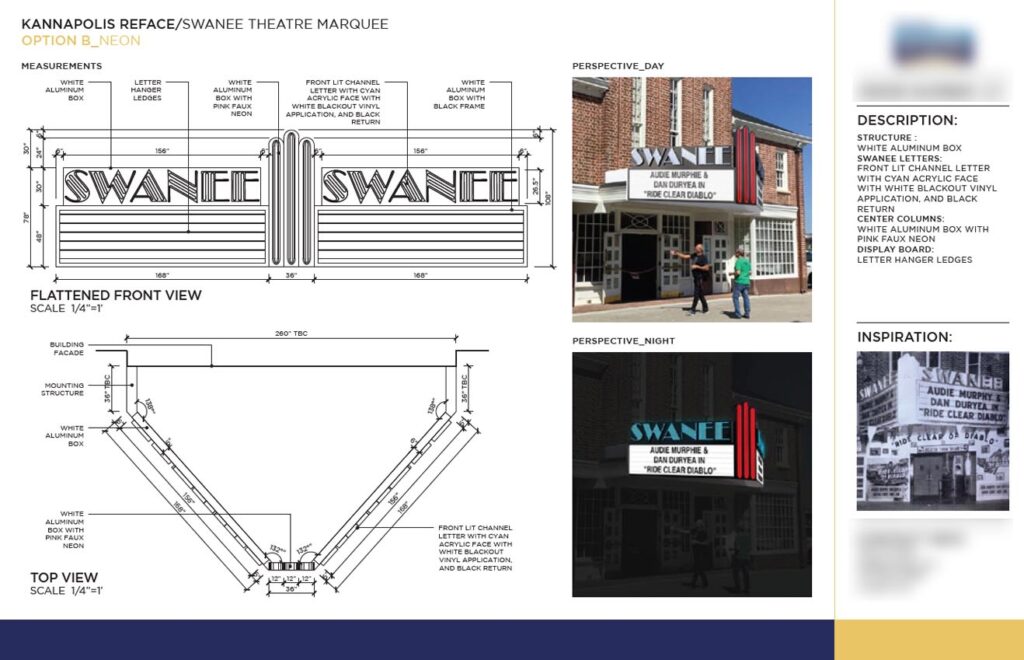
How to Speed Up Sign Permit Drawings and Documentation
Shifting your sign-permitting from reactive to proactive requires a structured approach. Most delays don’t come from the city “moving slow”—they come from avoidable gaps in the permit package that trigger rework.
The five steps below will help you tighten your permit drawings and documentation, reduce preventable back-and-forth, and keep projects moving.
Step 1: Confirm All Required Documents
Successful sign permit applications always start with comprehensive documentation. As your team gets ready to produce sign permit drawings, make sure you’ve secured the following items upfront:
- A detailed site plan showing property lines and sign placement.
- A full-color rendering with clear sign dimensions and materials.
- Building elevations showing the sign’s precise location.
- Property owner authorization (often requiring notarization for leased properties).
- Structural calculations for freestanding signs or projects above certain load/height thresholds.
- Electrical specifications for illuminated signs.
This preparation matters because it makes the process far more predictable. Your team is ready with all required documents, eliminating delays due to missing items and reducing the need for reactive revisions and resubmissions.
In most U.S. jurisdictions, applications aren’t considered ready for review until the package includes detailed drawings showing construction dimensions, lettering, and installation methods, along with complete supporting documentation.
Step 2: Create a Jurisdiction-Specific Checklist
Every municipality has its own requirements, so relying on a single general checklist for every city will almost always lead to additional revision cycles.
For sign companies that regularly file permits, we recommend creating a primary checklist for each jurisdiction where you frequently handle sign permits.
Start by researching the local sign regulations to understand limitations on size, placement, and materials. Then document the submission method, required forms, and the approval steps.
Step 3: Organize Files With Clear Naming
In many U.S. jurisdictions, a sign permit application can get held up simply because the file naming doesn’t match the city’s internal standards, even before anyone reviews your drawings.
Following the correct naming convention helps prevent technical rejections during prescreen and keeps your package moving forward.
Many cities and counties explain exactly how files must be named and formatted in their electronic plan review guidelines. For example, some jurisdictions require things like:
- PDF files are named in ALL CAPS.
- No spaces, using hyphens between file-name elements.
- A specific folder structure and consistent sheet numbering.
- A maximum file size per upload (often around 1 GB).
By standardizing your internal file naming and structure to match these requirements, you reduce the risk of your application being returned for formatting issues rather than content.
That said, these standards aren’t consistent across the U.S., so it’s important to always check the naming guidelines for the city where you’re submitting and apply them consistently on every project.
Step 4: Submit Using The Correct Method
Sign permit submission methods vary sharply by jurisdiction. Many U.S. cities now require digital submissions through a dedicated portal, while others still use a paper-based process at the permitting counter.
When you submit, provide a comprehensive information package—or include supporting documents beyond the minimum requirements to stay ahead of potential requests.
Include site photos, detailed renderings, and any relevant communication history to help the reviewer quickly understand the context of your project.
At the same time, ensure you are following each city’s specific requirements. For example, some municipalities require stamped engineering plans for certain sign types before the review can proceed.
Step 5: Assign a Point Person For Follow-Ups
Consistent follow-up is often the difference between an application that remains stagnant and one that progresses efficiently. Many jurisdictions assign a specific planner or permit technician to your case, so designating a single point of contact on your team creates clear accountability and prevents important details from being overlooked.
That person should track the permit status, respond quickly to requests for additional information, and maintain regular communication with the city or county department handling the review.
Having a single owner for follow-ups helps you spot when an application is waiting on intake, routing, or a missing document, so you can address it before the delay becomes a scheduling problem for production and installation.
Why Sign Company Choose The Sign Pack
Trusted reliability. Designed for growing businesses.
From creative designs to express delivery, we enable your sign company to maximize productivity and profitability.
Collaborating With an External Team for Permit Drawings
When a signage project becomes more complex and your team is overloaded, bringing in an external team can be the best decision.
Handling every stage of a signage project in-house may still work for simpler jobs that aren’t facing tight deadlines or peak-season pressure.
But when your internal capacity is stretched, partnering with a professional team that specializes in signage design and permit drawings can make the entire process much easier.
Keep in mind: many U.S. cities require additional documentation, such as engineering drawings signed and stamped by a licensed engineer, for signage above certain size or height thresholds.
In these situations, working with professionals can help you avoid costly resubmittals and save valuable time.
The Critical Role of a Professional Team in Permit Drawings
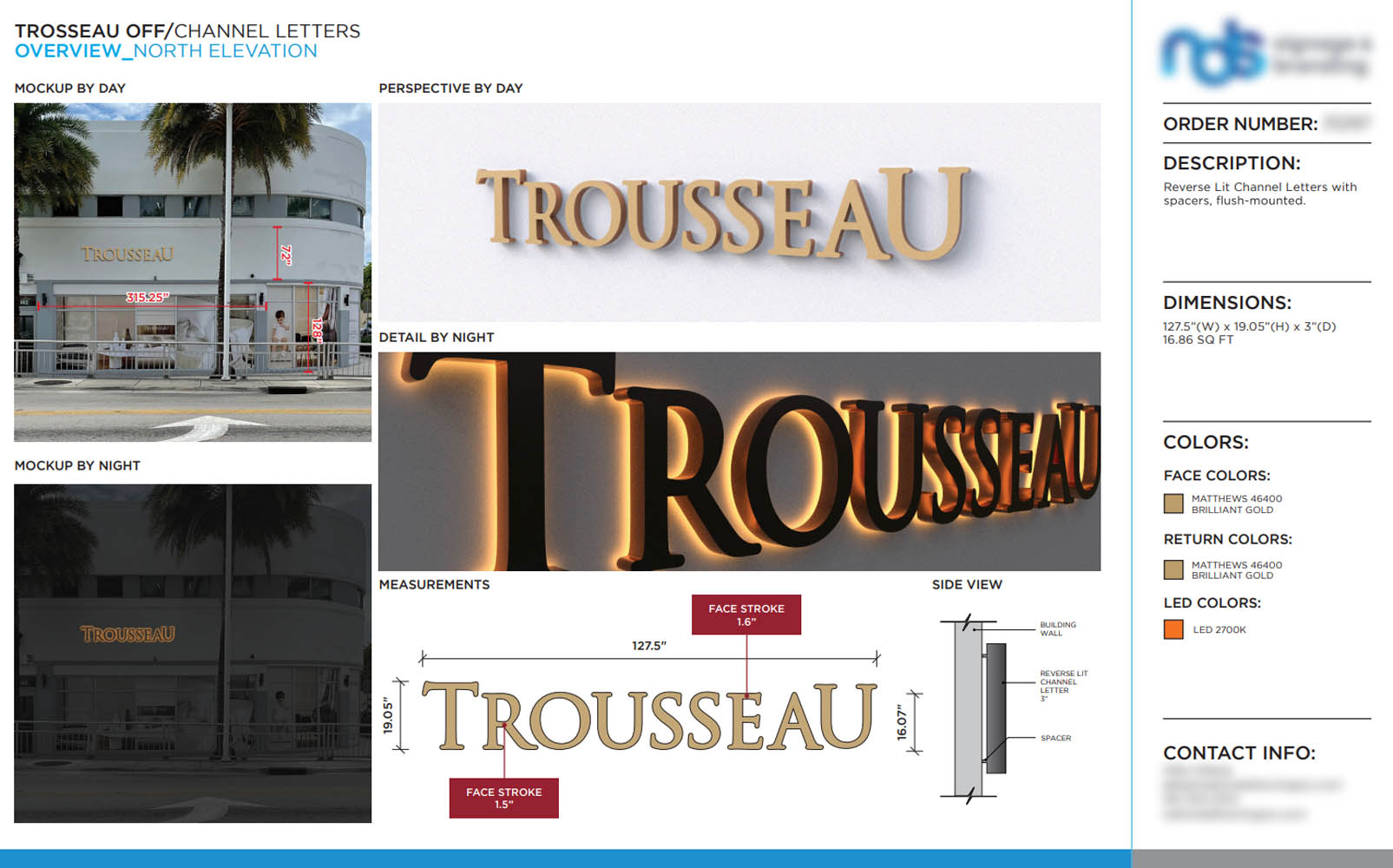
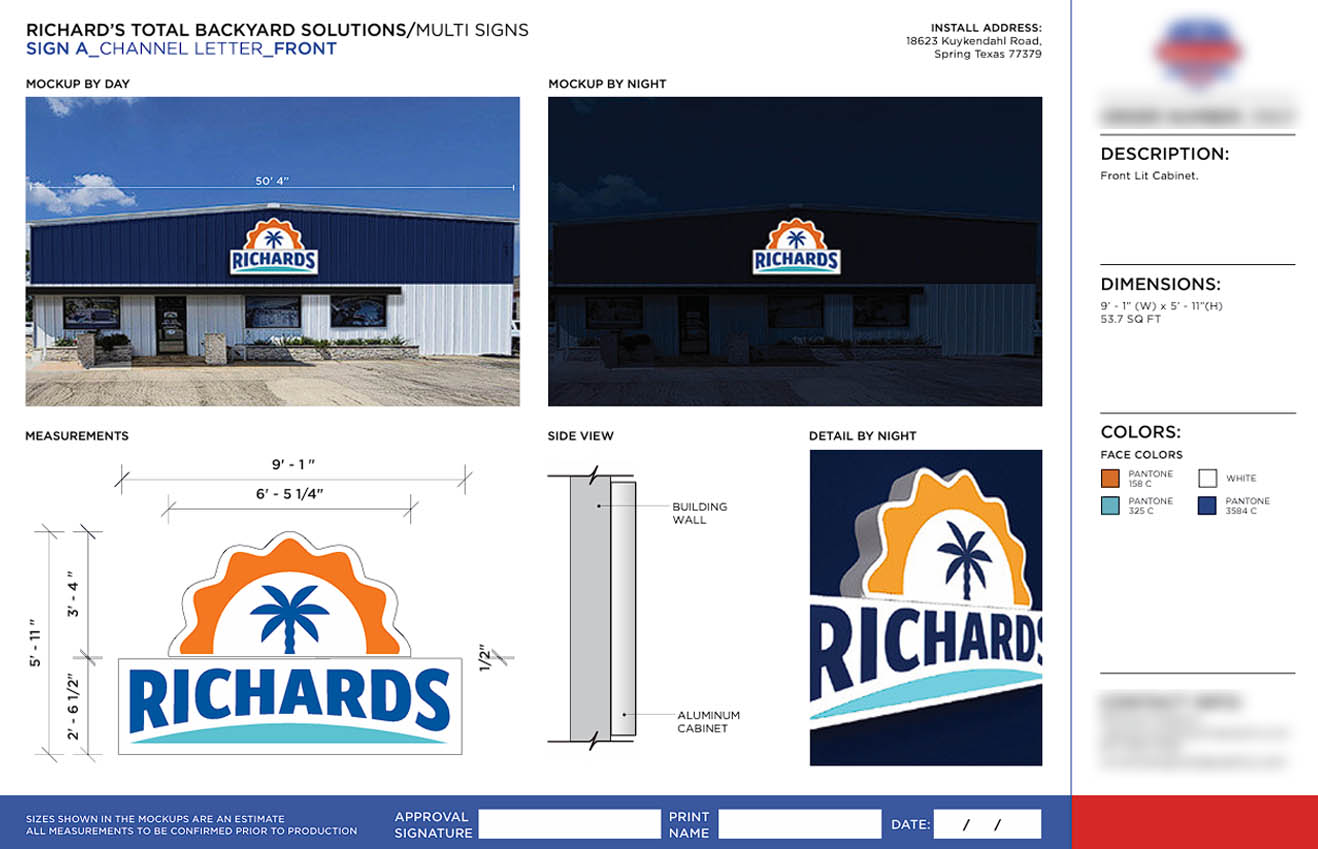
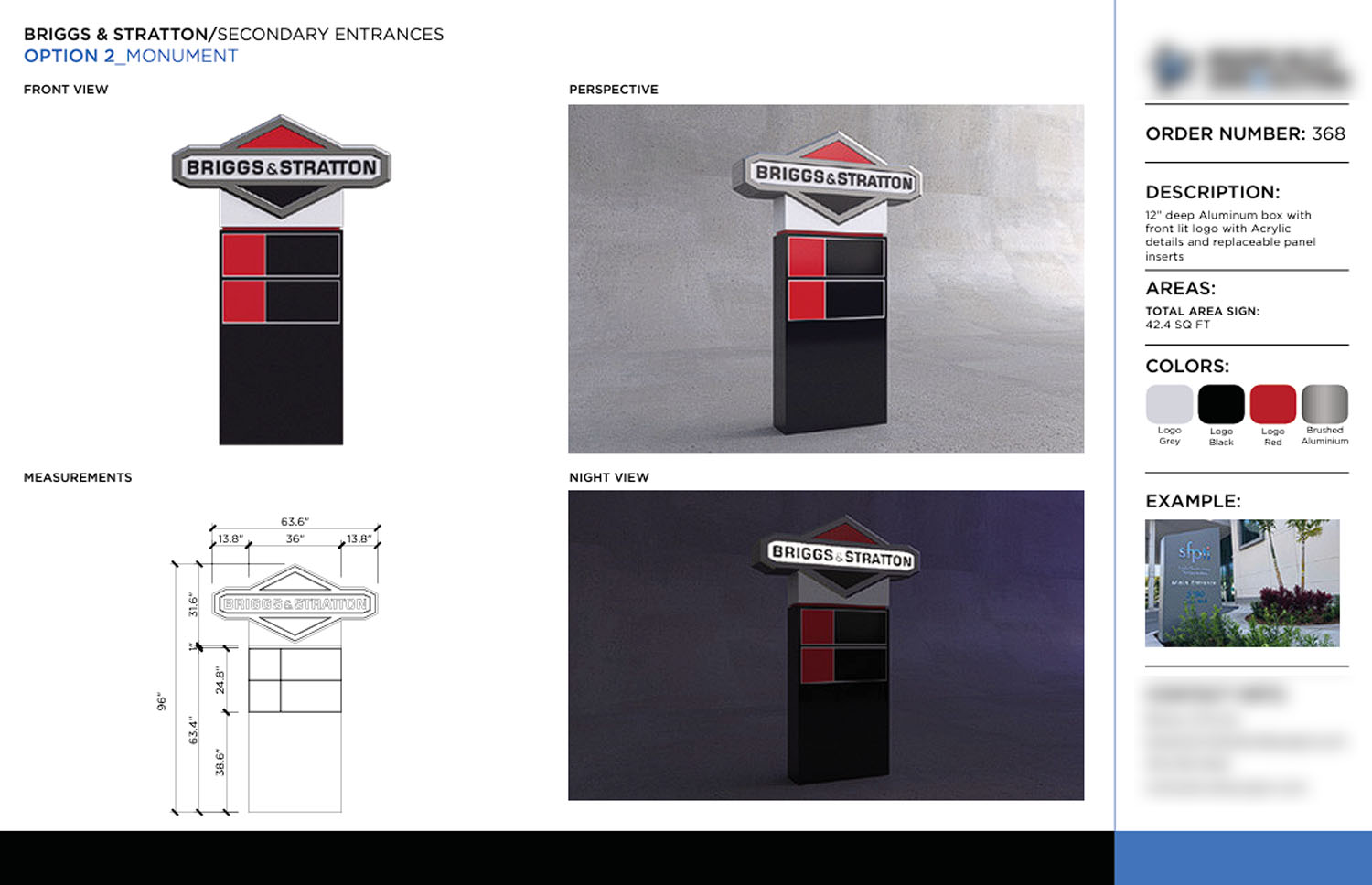
A professional team’s primary role is to deliver permit drawings that are clean, well-organized, and easy to read, meeting the expectations of engineers and city reviewers.
They can help by:
- Structuring the drawing and document package so the property owner approval and the next engineering steps are simpler, not more complicated.
- Preparing clear, well-structured drawings based on the specific location requirements you provide (jurisdiction, zoning, and sign type).
- Producing production-ready designs that align with industry-standard software and your fabrication team’s workflow.
- Understanding the permitting process across different jurisdictions, including what reviewers typically look for in a signage permit package.
The Sign Pack also provides professionally prepared Sign Permit Drawings designed for code compliance and efficient city approval, reducing risk and protecting your project schedule.
We deliver clean, well-organized sign drawings that meet the expectations of engineers and city reviewers. Our files are structured to make the next steps faster and easier.
Please note that our permit drawing services are designed to support the engineer’s review and accelerate approval, helping ensure your signage can be installed without unnecessary delays.
We create drawings based on the information you provide, including local sign codes and specific project requirements. Our services do not include code research or site surveys and are not intended to replace the engineers.
How a Professional Team Can Help Reduce Delays
A strong professional service doesn’t just “redraw” an existing layout—it applies three layers of logic to every set of permit drawings:
- Compliance logic: Designing for approval first, not aesthetics. The team starts with the code and zoning constraints you provide, then designs within those limits to reduce the risk of rejection.
- Production logic: Every installation and construction detail is thought through to be structurally realistic and aligned with how your team will actually build and install the signage in the field.
- Documentation standardization: Drawing layouts, annotation language, scales, and sheet numbering are kept consistent across projects. That consistency reduces confusion, makes it easier for engineers to stamp the set, and helps city reviewers evaluate the package faster.
For sign companies, working with a professional team that understands all three areas means fewer revisions, fewer surprises during city review, and sign projects that move more smoothly from submittal through installation.
At The Sign Pack, we treat sign permit drawings as part of your operational system, not just a one-time file.
Our team focuses on drawings that are cleanly structured, easy for engineers and city reviewers to read, and aligned with how sign shops work every day.
That way, you can reduce design-and-permitting bottlenecks while your internal team stays focused on sales, production, and installation.
Tracking Local Requirement Changes
Most cities update their requirements with minimal public notice, often through code or policy changes that many businesses overlook.
So if you want to stay current with new policies, your team needs to be more proactive to avoid preventable rejections at submission.
A few effective strategies include:
- Building relationships with permitting counter staff and inspectors, who often know about upcoming changes weeks before any official announcement.
- Subscribing to the city council and planning commission agendas, since signage and zoning rule changes are frequently discussed there before they’re adopted.
- Staying connected with signage industry associations to get summaries of code changes that are relevant to sign companies.
Catching these changes early means you can adjust your designs and permit drawings before the city changes how they evaluate your applications.
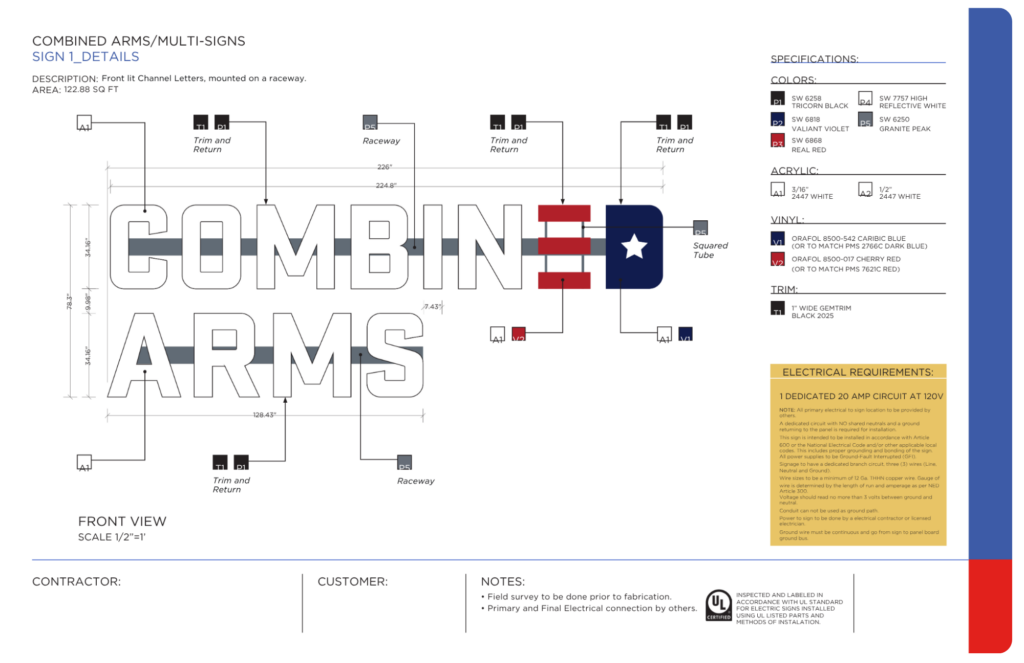
Successful Sign Permit Drawings Aren’t About Luck
In this comprehensive guide, we’ve made the case that simplifying the sign permit drawing process takes a strategic approach.
Rushing a submission and hoping for a quick approval will only frustrate your team and increase operating costs.
To implement a proactive, strategic approach, you need to understand the three pillars that support effective sign permit drawings:
- Compliance logic: Making sure your design prioritizes regulatory requirements before aesthetics, reversing the traditional workflow that often triggers revisions.
- Production logic: Ensuring permit drawings reflect real-world fabrication and installation constraints to reduce post-approval changes.
- Documentation standardization: Eliminating the inconsistencies that often disrupt sign shops and creating predictable outcomes, regardless of who on your team is managing the project.
Ultimately, successful sign permit drawings are not about luck; they rely on a purposeful system. When that foundation is strong, the permitting process becomes much more manageable.
This approach creates space for your team to focus on what matters most: delivering better signs more often, with confidence that the documentation behind them supports your business goals.
For forward-thinking sign companies, leveling up in the industry isn’t about “working harder” on every project. It’s about building a scalable system that’s integrated into the operational layers of your production workflow.
That’s how every signage production cycle becomes faster, more consistent, and more predictable.
If you’d like to learn how The Sign Pack can help your team reduce bottlenecks and speed up the process, please visit our Sign Permit Drawings Service page.