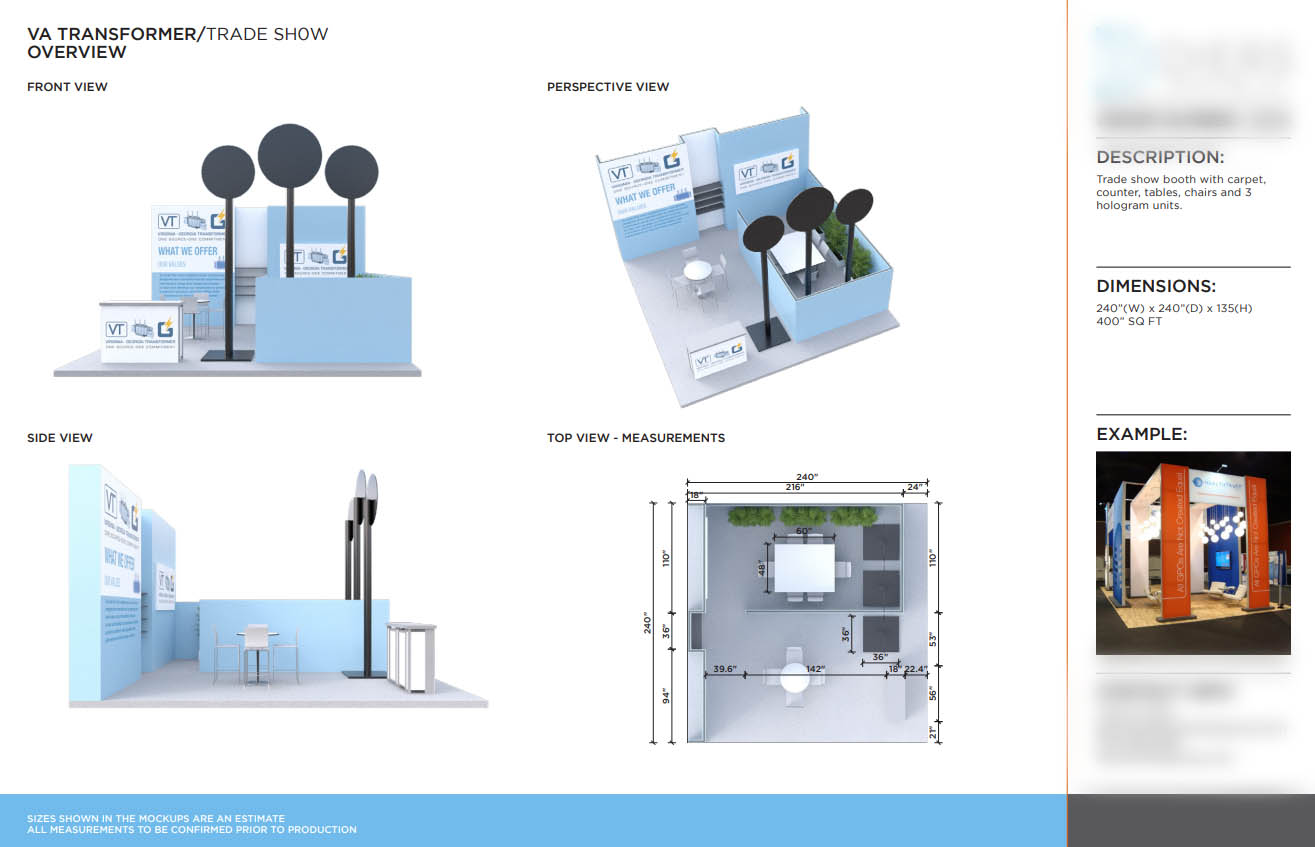
Despite the rise of digital campaigns, virtual meetings, and online brand interactions, trade shows and physical events remain vital for many organizations. In-person events are essential for building trust and driving sales—delivering value that digital channels cannot fully replicate.
According to the Freeman Trends Report Q1 2024, 80% of attendees agree that in-person events are the most trustworthy source of information—a 5% increase over the previous year. These findings underscore the ongoing relevance of trade shows as a year-round business strategy, not merely a seasonal or secondary marketing effort.
As a result, companies are placing greater emphasis on having a clear, well-planned approach to producing and installing signage for each event. Trade shows are highly competitive environments where brands must stand out in a crowded space, capture the attention of thousands of attendees, and communicate their message clearly, quickly, and memorably.
This is a primary reason why trade shows continue to drive strong demand for signage, even in an increasingly digital-first landscape. Physical signage creates visual impact, reinforces brand presence, and facilitates direct engagement—benefits that screens and online ads cannot fully deliver.
Recognizing how critical this topic is for both brands and sign companies, The Sign Pack highlights several key factors that businesses should understand to maximize impact and support long-term growth through trade show signage.
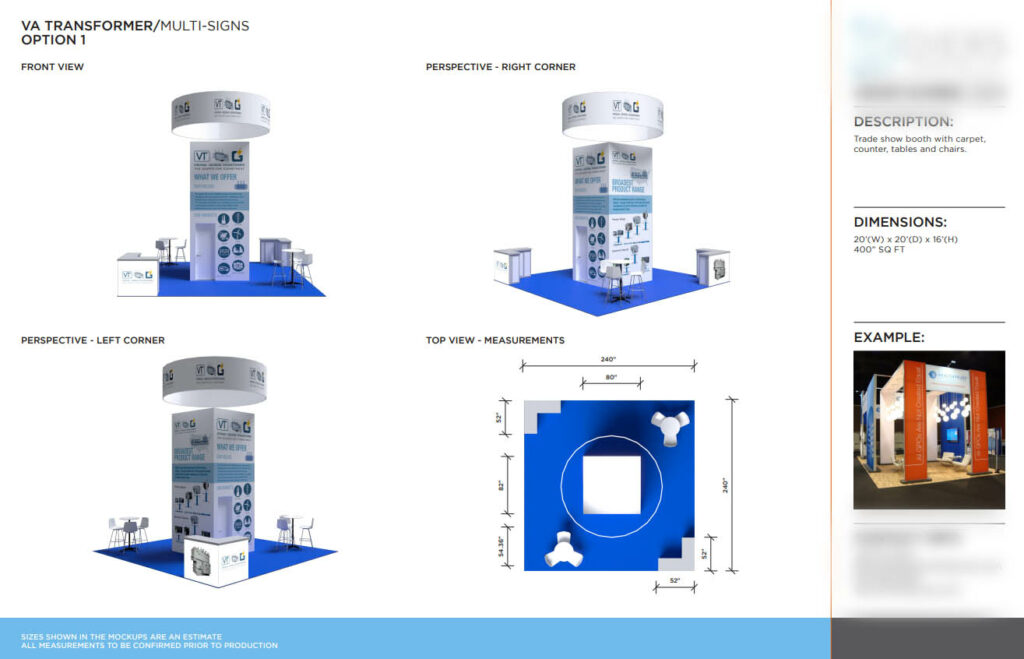
Why Trade Shows and Events Continue to Drive Signage Demand
Trade shows and events do more than generate short-term signage needs. They serve as ecosystems for education and industry validation, shaping how brands develop and refine their signage strategies over time.
Rather than being phased out, trade shows have evolved. Today, they are more strategic, experience-driven, and closely integrated with digital initiatives. This evolution is a key reason live events continue to fuel strong demand for signage.
Below are several factors that explain why.
Trade Shows as High-Impact Visual Environments
Trade shows create environments where dozens, sometimes hundreds, of brands compete within the same physical space. This level of visual competition is fundamentally different from digital brand visibility.
Both digital and physical channels offer unique strengths and limitations, each playing an important role. When integrated effectively, they can significantly amplify overall brand impact.
At a high level, the difference between brand–audience interaction on digital platforms versus physical events can be summarized as follows:
- Digital Platforms: Brand interactions tend to be fast-paced, repetitive, and largely one-directional. Audiences can scroll past content, pause engagement, or return later.
- Physical Events: Audiences engage directly with brands and industry professionals. These face-to-face interactions help build lasting trust and often accelerate decision-making.
This leads to a critical question: how can a brand guide potential customers to its booth in a crowded, visually overwhelming event environment?
The answer lies in effective signage design—capturing attention, delivering clear messaging, and guiding visitors directly to the brand’s presence.
If you are interested in learning more about how impactful signage design can influence customer behavior and elevate the brand, we recommend reading our related article, Signage Design Best Practices That Capture Customers’ Attention. This resource provides additional perspective on design principles and strategies that can help signage design stand out in any environment.
In this context, signage becomes essential for brands to:
- Capture attention from a distance
- Communicate positioning quickly and clearly
- Support visitor navigation and traffic flow
- Reinforce brand credibility in a dense, competitive environment
- Seamlessly connect physical interactions with digital touchpoints
Consequently, in highly competitive event settings, brands must invest in signage concepts that are both creative and strategically relevant. Partnering with experienced sign companies ensures these ideas are executed effectively and professionally.
As more brands recognize these factors, demand for signage continues to rise—even in a digital-first era. The physical nature of events positions visual communication as a core business necessity rather than a supporting element.
| Also Read: How Signage Transforms Trade Shows and Drives Real Brand Impact |
Why Sign Company Choose The Sign Pack
Trusted reliability. Designed for growing businesses.
From creative designs to express delivery, we enable your sign company to maximize productivity and profitability.
Where Brands and Sign Companies Connect Face to Face at Events
Trade shows and industry events that attract hundreds or thousands of businesses create unique opportunities for brands and signage companies to connect directly. These environments facilitate education, collaboration, and knowledge exchange.
At events like these, brands and sign professionals can engage in meaningful discussions around:
- Real-world examples of physical signage and how it is produced.
- Best-practice signage solutions through direct conversations with experienced sign companies.
- Technical limitations related to structure, materials, and installation methods, along with ways to design around them.
- Emerging signage technologies and innovative solutions are shaping the industry.
These interactions equip brands with a realistic, informed understanding of what is achievable in signage design and execution, as well as where practical constraints exist.
After engaging in in-depth discussions at physical events, many brands begin to reassess their existing permanent signage and explore ways to improve its effectiveness and long-term impact. At the same time, they gain new perspectives on how to integrate technology to create more immersive and personalized signage experiences for specific audiences at future trade shows.
In other words, brands are not simply preparing for the next event—they are building toward better performance at every event, ensuring their visual presence remains strong and consistent across all locations.
Previously, we explored a related topic in Latest Signage Technology: Hidden Features Every Sign Company Should Know. We invite you to read that article for deeper insights and practical takeaways on how technology continues to shape modern signage solutions.
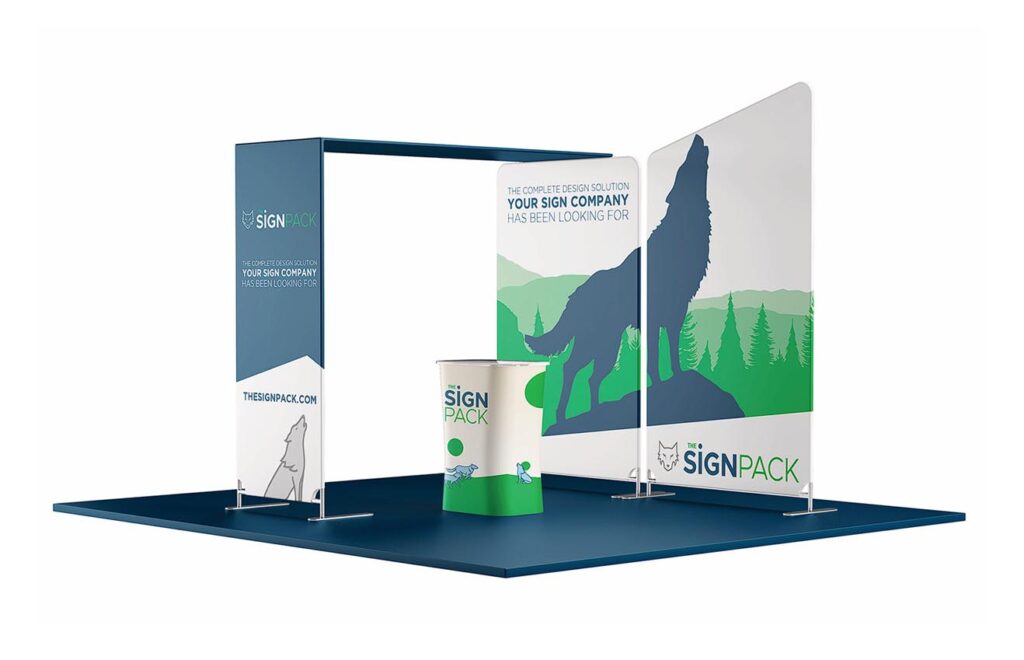
Why Trade Shows and Events Are Still Considered Essential for Businesses
While digital marketing now dominates most business strategies, this shift has not diminished the importance of physical events or discouraged businesses from engaging directly with potential customers in real-world settings.
Face-to-face interactions at live events consistently drive sales, strengthen trust, and enhance overall brand perception—benefits that digital channels alone cannot fully provide.
Comprehensive research on the impact of in-person engagement, including findings from the Freeman Trust Report, highlights a strong correlation between live interactions and brand loyalty. Key insights from the study include:
- 77% of all respondents, and more than 80% of millennials, reported higher trust in brands after interacting with them face to face at live events.
- 64% of respondents experienced a lasting “halo effect” from these interactions for at least one month, contributing to long-term brand trust, recognition, and increased sales.
- 72% of attendees who participated in an event within the past six months reported being significantly more likely to hold positive perceptions of the brand.
- 77% of respondents left live events with greater confidence that the brand would act responsibly and ethically.
These findings clearly demonstrate that physical presence at trade shows cannot be replaced by digital marketing strategies. Trade shows remain among the most effective venues for discovering new products and services while enabling direct communication with industry experts.
This is further supported by Bizzabo’s 2025 State of Events and Industry Benchmarks, which reports that 71% of attendees believe in-person B2B conferences are the most effective way to learn about new products or services.
As a result, trade shows and physical events remain high-value opportunities that businesses cannot afford to overlook. In an increasingly digital world, live events remain powerful drivers of trust, education, and meaningful brand engagement.
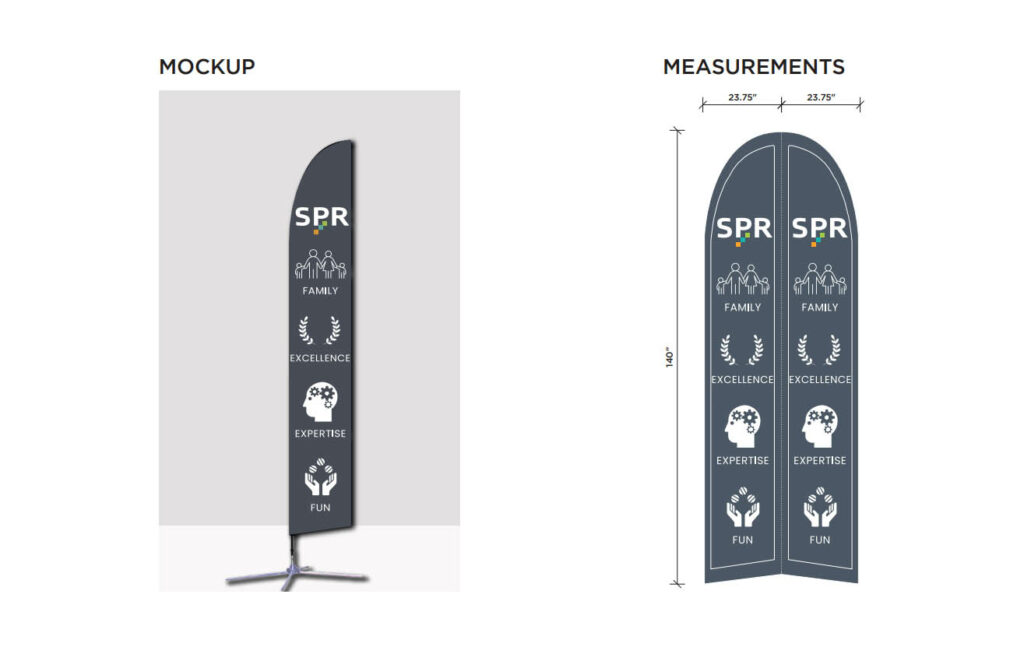
How Sign Companies Can Prepare for Rising Event-Driven Signage Demand
Rising demand for event-driven signage presents a significant opportunity for sign companies. However, without proper preparation, it can quickly become an operational challenge—and, in some cases, a risk to long-term business stability.
A sudden surge in signage demand can overwhelm teams, disrupt workflows, and compromise quality if systems and resources are not in place. To avoid being caught off guard, sign companies must proactively prepare to keep their operations efficient, scalable, and sustainable.
Below are several critical considerations that sign companies should understand to navigate periods of increased demand more effectively.
Event-Driven Signage Demand Creates High Workload
While event signage shares many functional principles with permanent signage, event-based projects involve distinct characteristics that significantly impact workload and execution.
These projects are typically defined by:
- Very tight production timelines
- Limited installation windows at event venues
- Strict venue regulations and space constraints
- The need for modular, temporary, or reusable signage systems
For sign companies, these conditions often create substantial operational pressure. Teams are expected to deliver projects on time, maintain professional standards, and ensure consistent quality, all while working within compressed schedules and logistical limitations.
Managing this type of demand requires more than technical skill. It demands strong planning, clear workflows, reliable production partners, and a deep understanding of event-specific constraints. Without these elements, increased demand can quickly shift from opportunity to liability.
Rising Workload with Limited Resources
As signage demand increases, workloads within set timeframes can quickly exceed a company’s available resources. Simultaneously, design requests often become more complex, increasing pressure to deliver high-quality projects within tight deadlines.
Without proper planning, rising workloads can create several operational challenges, including:
- Disorganized project management results in reduced productivity and inconsistent quality
- Inability to deliver design work at a consistently high standard
- Designs that fail to drive business impact due to limited research, insufficient brainstorming, or a lack of strategic alignment
- Workflow disruptions caused by high designer turnover further strain internal teams.
If left unaddressed, these issues can escalate into customer complaints, missed deadlines, and negative reviews—all of which can damage a sign company’s reputation.
To prevent these outcomes, sign companies must proactively manage increased demand. One practical approach is to collaborate with professional signage design partners who can function as an extension of the internal team. This enables companies to scale capacity, accelerate workflows, and maintain design quality without overloading in-house resources.
Strategic collaboration of this kind improves scalability and productivity, contributing directly to higher customer satisfaction and long-term trust.

Collaborating with The Sign Pack to Address Bottlenecks During Workload
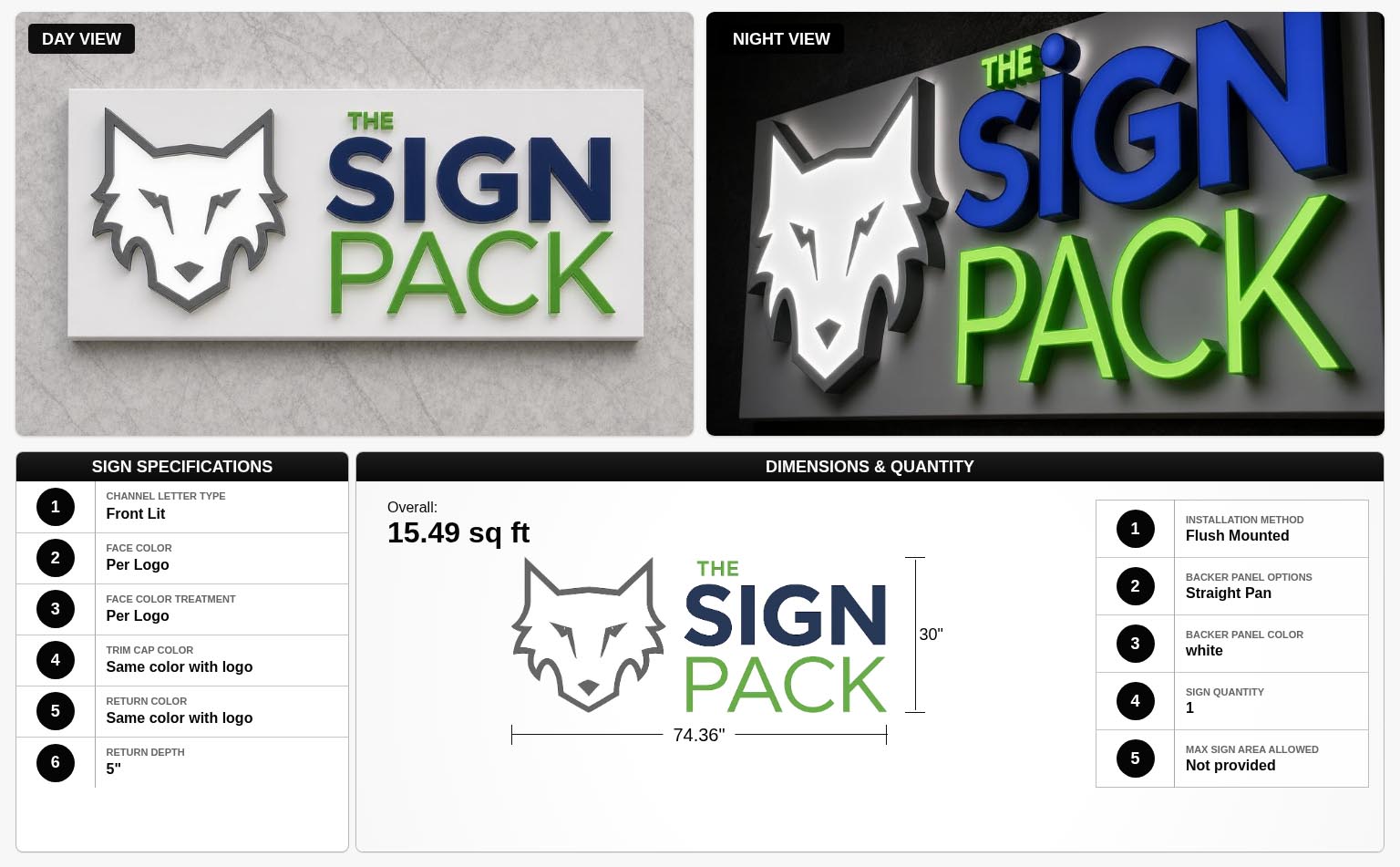
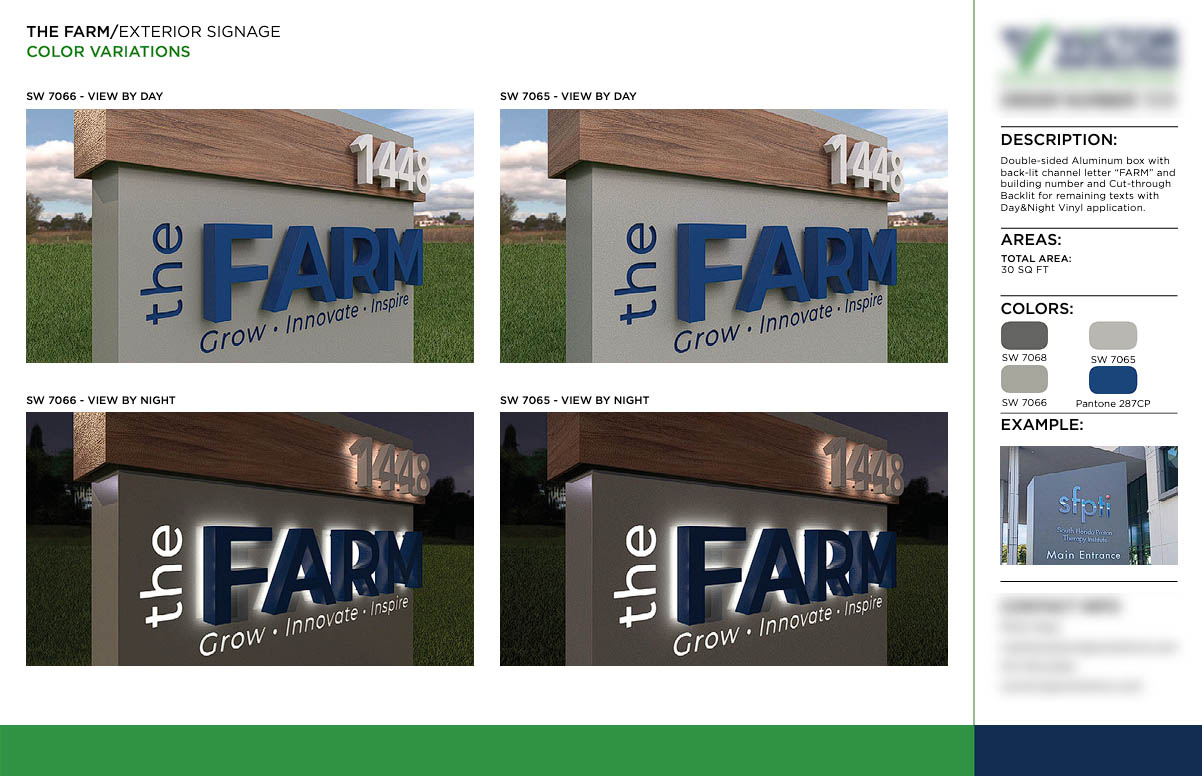
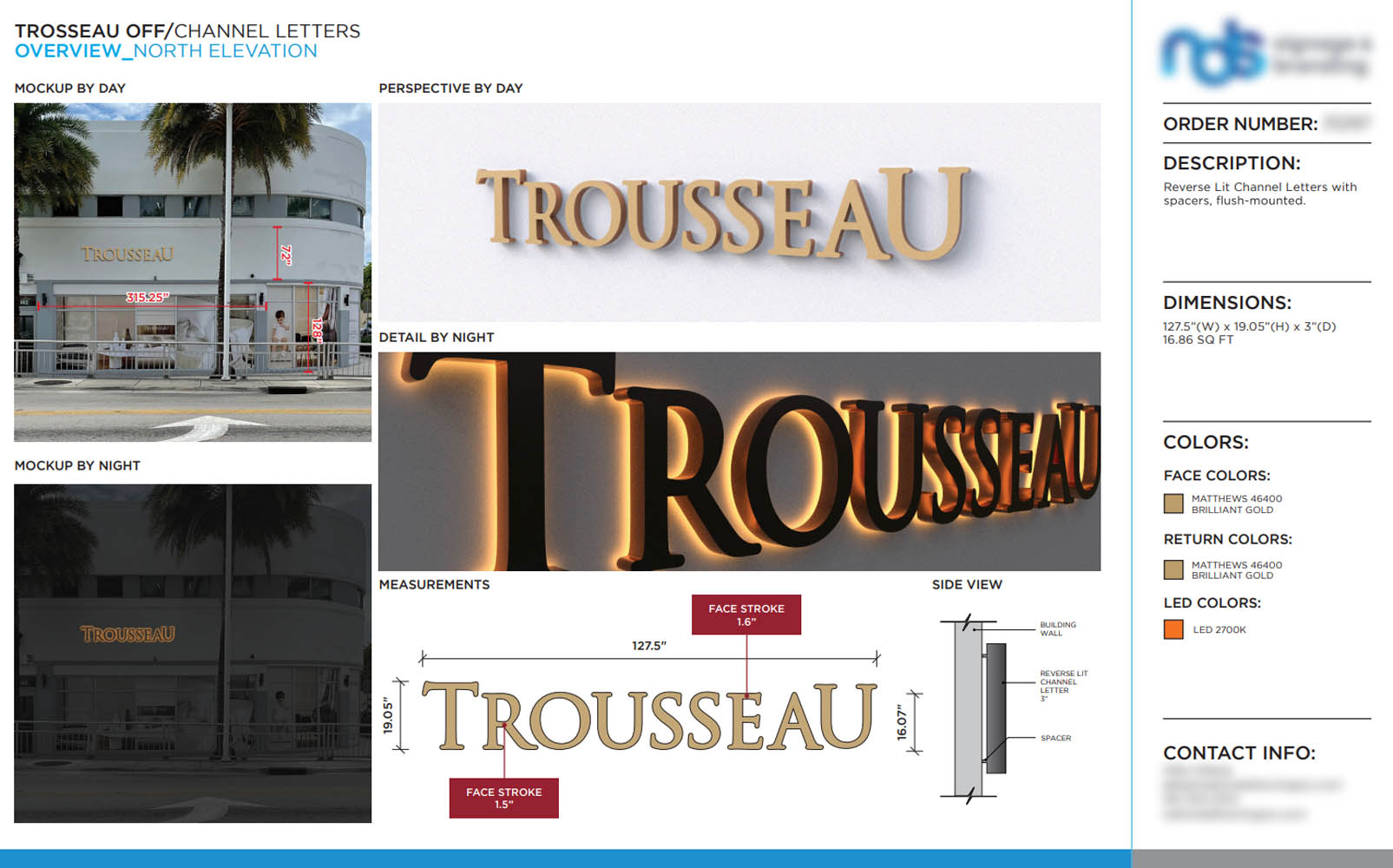
The Sign Pack provides professional sign design services that empower sign companies to scale with confidence. Our solutions are built on industry standards, technical accuracy, and real-world production logic.
Our support is designed to scale beyond expectations, helping sign companies drive growth, reduce rework, and improve signage quality from concept through completion.
We understand that the five most common challenges sign companies face include:
1. Designer Shortage and High Cost
Many sign companies struggle to find skilled sign designers capable of handling 2D, 3D, ADA, and wayfinding projects while producing fully production-ready files. This limitation directly impacts scalability and project turnaround.
2. Skill Mismatch and Knowledge Bottlenecks
A shortage of designers with deep, industry-specific knowledge of signage makes it difficult to execute complex projects quickly, accurately, and professionally.
3. High Designer Turnover
Frequent changes in design personnel disrupt workflows, create inconsistencies, and slow down project delivery. Over time, this instability reduces customer trust and satisfaction.
4. Inconsistent File Quality
Without clear standards governing accuracy and production readiness, design quality varies from project to project. This often leads to customer complaints, fabrication errors, and costly revisions.
5. Design Bottlenecks That Slow Production
When designs are not delivered on time or fail to meet quality expectations, fabrication timelines are delayed. This slows down installations and can result in lost revenue.
The Sign Pack recognizes that these challenges represent serious operational risks for most sign companies. That is why we have developed comprehensive solutions to address them directly.
We position ourselves as infrastructure partners for sign companies, not as vendors or outsourced designers. As an extended team, we support sign companies in delivering complex signage projects consistently, accurately, and at speed.
Through our proprietary system, TSP Platform 3.0, we address the signage industry’s most critical bottlenecks:
- Designer scalability
- Inconsistent file quality
- Errors in project information
We invite you to connect with our professional team to learn more about our services or explore how TSP Platform 3.0 can support your operations.
Click the Contact Us button below to start the conversation.