In recent years, leading industry conferences and trade events have underscored a profound transformation underway in the U.S. signage sector.
Every facet of the business—from design and fabrication to project management and client engagement—is being reshaped by new technologies and shifting market dynamics.
- Automation
- AI, IoT, and sensor integration
- Cloud-based management systems
- Sustainable, smart, and immersive signage
These advancements are redefining how sign companies operate, deliver value to clients, and position themselves competitively in a rapidly evolving marketplace.
Amid these trends, one critical challenge stands out: the increasing scarcity of highly skilled sign designers with a comprehensive understanding of the entire sign production lifecycle.
However, the growing demand for digital signage does not mean conventional signage is disappearing. On the contrary, traditional signage continues to evolve alongside new technologies, adapting to changing expectations from brands and customers.
At the same time, heightened awareness of carbon emissions across the digital signage implementation chain has introduced new regulatory pressures. One notable example is SB 253, which is pushing companies to take sustainability and emissions transparency more seriously.
This article distills the most consequential insights that sign company leaders need to navigate the disruptive trends shaping the signage industry in 2026 and beyond.
It also offers practical recommendations and strategic perspectives to help U.S. sign businesses not only remain competitive, but also seize new opportunities for growth and differentiation.
The following key trends and developments are shaping the future of the signage industry—insights that no forward-thinking leader should overlook.
AI-Powered and Interactive Digital Signage Goes Mainstream
Digital signage has been widely adopted over the past several years. However, the way businesses use this technology is evolving significantly as we move into 2026.
Digital signage is no longer limited to motion graphics or simple looping playlists. Today, it is rapidly evolving toward systems that are:
- AI-powered and interactive
- More effective and personalized
- Capable of delivering immersive, highly engaging experiences
Below are several key developments in digital signage technology that are helping businesses capture attention and increase audience engagement more effectively.
From Static Screens to Intelligent Systems
One major franchise brand recently highlighted AI-powered and interactive digital signage as one of the most important trends shaping the industry this year.
With AI integration, signage systems can dynamically adjust content in real time based on data inputs such as weather conditions, inventory levels, traffic patterns, and audience behavior.
Content can automatically adapt to real-world conditions.
For example, a system may remove out-of-stock items from promotional displays or highlight specific product offers based on environmental factors or the time of day.
AI tools can also help generate high-quality localized creative content within seconds, enabling brands to keep their messaging relevant and responsive.
From an infrastructure perspective, cloud-based Content Management Systems (CMS) have now become the baseline standard for managing digital signage networks.
Today, businesses increasingly expect cloud-based signage platforms to include edge resilience capabilities, allowing systems to remain operational even when on-site conditions present challenges such as:
- Unstable internet connections
- Temporary network outages at a location
- Limited bandwidth availability
- Business environments that cannot afford operational downtime during working hours
One example of this evolution is cloud-based signage with advanced content scheduling features.
This technology has fundamentally changed how organizations manage multi-location digital signage networks, enabling teams to update and deploy content simultaneously from anywhere at any time.
Modern cloud-based signage platforms also incorporate internet connectivity with failover capabilities. This means the system can continue running playlists and media locally when connectivity is interrupted, while automatically synchronizing updates in real time once the internet connection is restored.
These capabilities have become an important part of what many experts now consider The Latest Signage Technologies and Hidden Features Every Sign Company Should Know.
Immersive Signage Beyond Touchscreens
Interactive technology in digital signage has evolved far beyond traditional touchscreens. Today, sensor-based immersive signage displays can deliver engaging, contactless experiences that require no physical interaction.
These systems use motion and gesture sensors to detect how people move, allowing users to interact with digital content simply by moving their hands in front of the display. The result is a seamless and hygienic experience that keeps audiences naturally engaged.
Immersive signage also offers significant advantages for personalized experiences and behavioral data collection. This capability is especially valuable for businesses seeking deeper insights into customer demographics, preferences, and content performance.
However, immersive signage is not limited to large retail brands. The technology can be effectively implemented across a wide range of environments, including:
- Public facilities and shared spaces
- Hospitality and healthcare environments
- Educational institutions
- Corporate offices and campuses
Adopting immersive signage can provide several important benefits:
- Encourages active customer engagement by allowing users to explore products or services at their own pace.
- Creates enjoyable and memorable experiences that strengthen brand perception.
- Increases interest in products or services, supporting higher conversion potential.
- Delivers personalized information based on user behavior, generating valuable insights for businesses.
How Sign Companies Contribute to Digital Signage Implementation
The growing demand for AI-powered and interactive digital signage is creating new opportunities for sign companies. However, capturing these opportunities requires solutions that align with evolving market expectations.
Sign companies can position themselves strategically by:
- Offering innovative digital display solutions that help brands build stronger visibility and brand awareness.
- Developing effective campaigns that capture audience attention by combining signage expertise with modern technology.
- Providing compelling visual presentations supported by production-ready files to help win complex, high-margin digital signage projects.
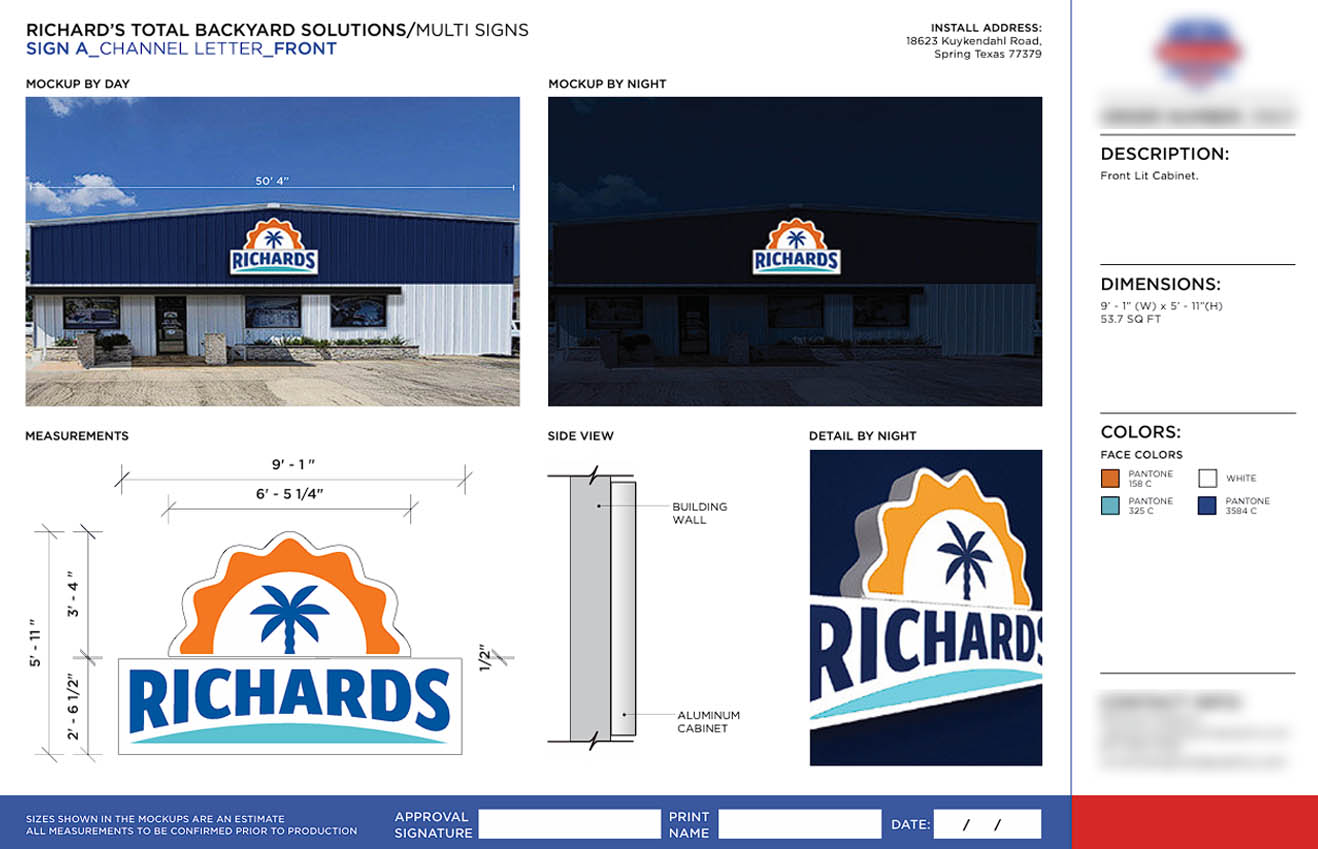
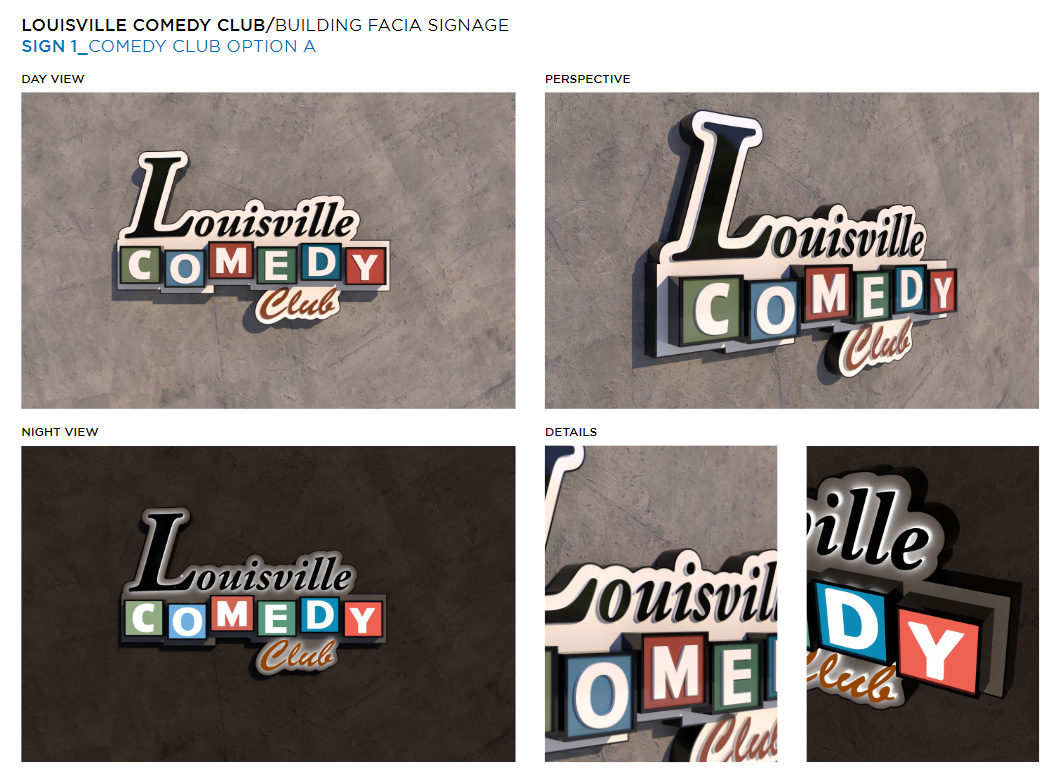
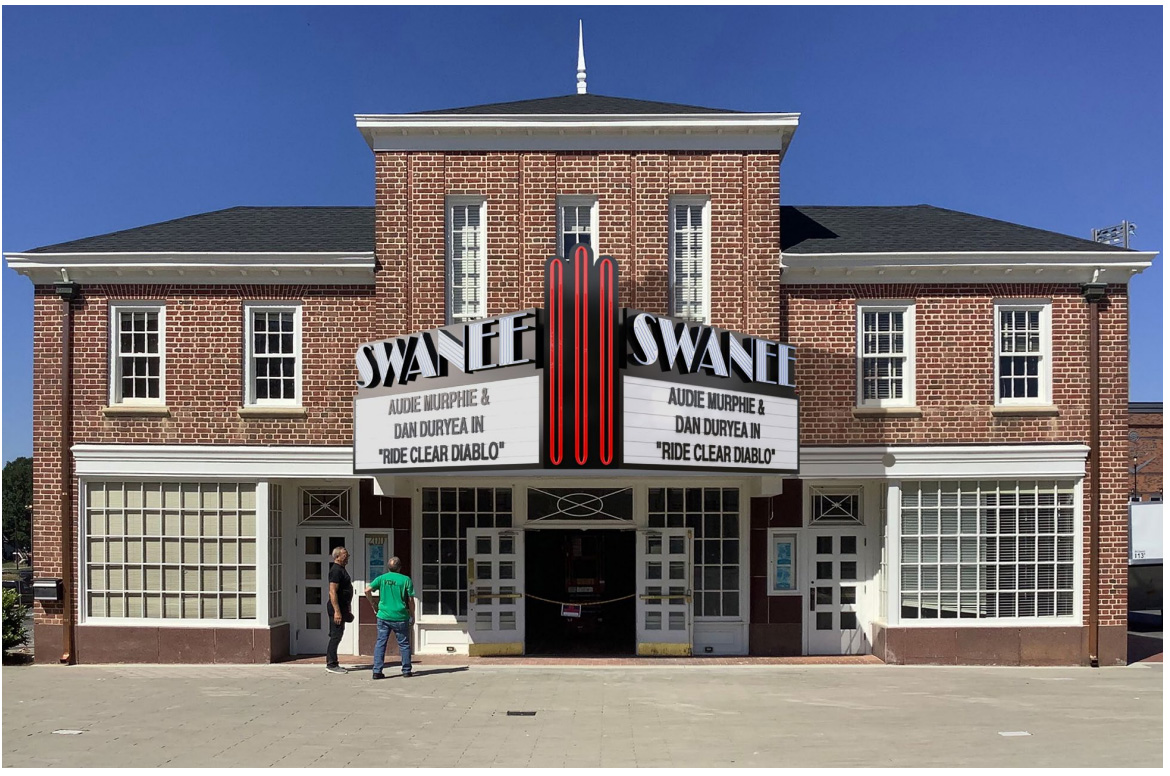
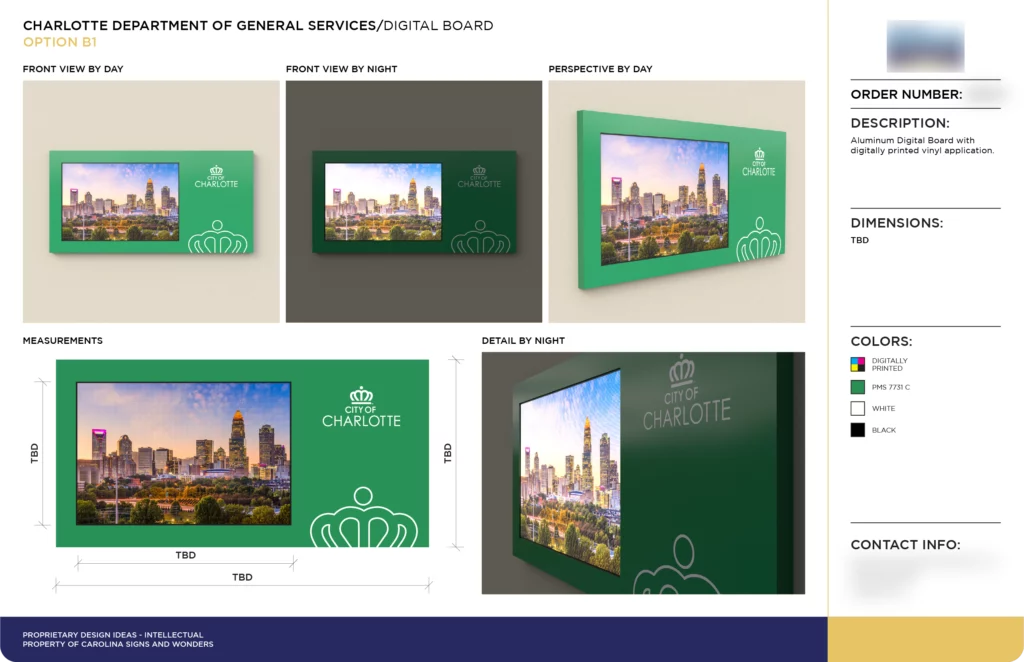
- Delivering photorealistic 3D renderings and contextual visuals that demonstrate how digital displays will appear within real-world environments.
Smart Digital Signage Integration for More Effective Brand Communication
Digital signage has unlocked a wide range of innovations and advanced features. As the technology continues to evolve, it is becoming increasingly intelligent through integration with IoT systems and various sensors, creating new opportunities for commercial applications in many strategic locations.
The global signage technology market is growing rapidly and is projected to reach USD 35.94 billion by 2026, according to Fortune Business Insights.
This remarkable growth reflects a fundamental change in how businesses engage audiences and communicate brand value. Digital signage stands out as a strategic marketing tool, attracting up to 400% more viewers than traditional static signage.
To capitalize on these advantages, forward-thinking organizations are investing in smart digital signage solutions that deliver more than just visual appeal. By incorporating advanced technologies and intelligent features, these platforms enable new levels of audience interaction and performance measurement.
Below are several key developments in smart digital signage that are shaping the future of the industry.
Integrating Digital Signage with IoT and Sensors
Digital signage can now be integrated with Internet of Things (IoT) sensors and building systems, enabling displays to become part of a connected smart environment.
Many hardware and software vendors now offer advanced capabilities that allow screens to work together with technologies such as motion sensors, temperature probes, RFID readers, occupancy counters, and infrared detectors to trigger content or automate responses.
These integrations enable a wide range of practical applications, including:
- Running targeted promotions based on activity within a retail environment.
- Supporting queue management systems that direct visitors to counters or kiosks with shorter wait times.
- Automatically dimming or turning off screens when no one is present, or adjusting brightness based on ambient light to improve energy efficiency.
- Monitoring temperature changes, detecting overcrowding or emergency conditions, and automatically displaying safety alerts without manual intervention.
Overall, the integration of digital signage with IoT and sensor technologies goes far beyond increasing audience engagement.
More importantly, these systems generate valuable data on user behavior, environmental conditions, and safety monitoring, providing businesses with actionable insights and improving operational awareness in physical spaces.
Scalable and Efficient Multi-Location Signage Ecosystems
For brands operating across multiple locations, the ability to implement and manage digital signage across hundreds or even thousands of sites has become critically important.
IoT-driven digital signage technology has advanced rapidly, enabling displays to deliver dynamic and highly engaging content. According to Digi International, these innovations allow businesses to manage content remotely across thousands of screens without requiring direct on-site intervention.
Modern smart digital signage networks now include a range of advanced capabilities, such as:
- Remote monitoring
- Real-time content management
- Intelligent connectivity through 4G and 5G networks
- Seamless integration with various IoT devices
The potential applications are extensive and can be found in many environments, including:
- Airports
- Sports arenas and stadiums
- Shopping malls and retail centers
- Public transportation systems
- Outdoor digital billboards that automatically adjust brightness levels
A scalable multi-location digital signage ecosystem enables businesses to capture audience attention more effectively and deliver real-time brand messaging across large networks.
Through IoT-based connectivity, brands can operate signage networks that are more reliable and scalable, ensuring that digital displays remain online, synchronized, and continuously updated with minimal technical disruption.
How Sign Companies Contribute to Digital Signage Implementation
Implementing smart digital signage systems that integrate with advanced IoT and sensor technologies requires collaboration among multiple stakeholders with specialized expertise.
Sign companies play several important roles in delivering successful digital signage projects, including:
- Managing connected visual systems by applying the right strategies to capture audience attention effectively.
- Developing content storytelling tailored to local demographics and behavioral patterns, increasing user engagement, and strengthening brand recall.
- Handling compliance and permit management from the earliest stages of the project, helping ensure that installations meet zoning regulations and local sign codes.
- Providing technical and visual recommendations that support impactful and effective implementation for business environments.
Why Sign Company Choose The Sign Pack
Trusted reliability. Designed for growing businesses.
From creative designs to express delivery, we enable your sign company to maximize productivity and profitability.
Sustainable Signage is Growing from Expectation to Business Requirement
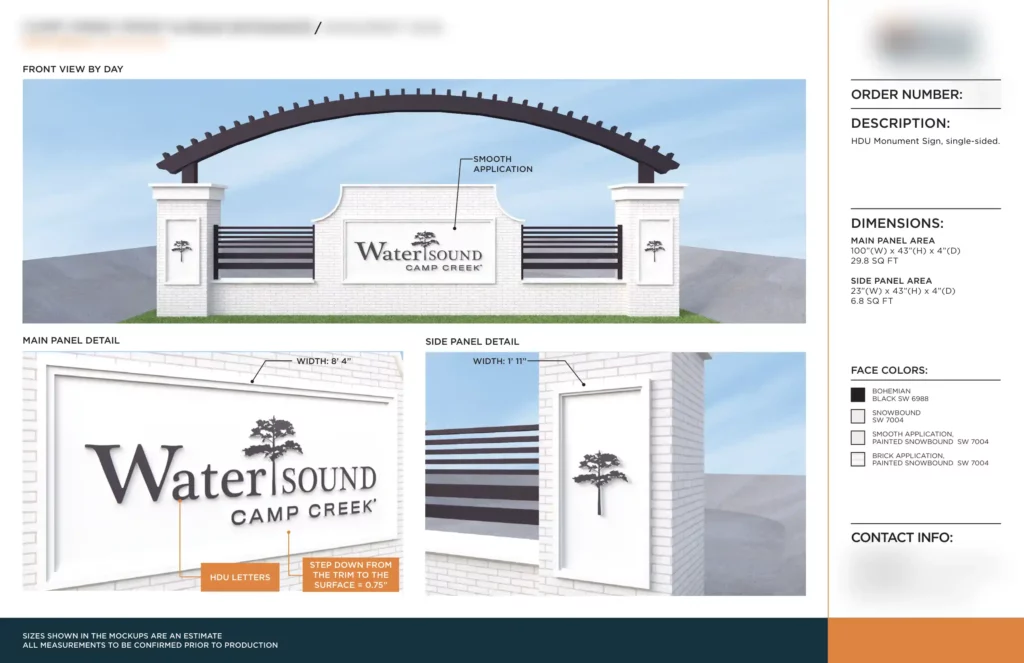
Even as advertising media become increasingly digital, this does not mean that static signage, such as channel letters, monument signs, or pylon signs, has lost its relevance. On the contrary, these traditional formats continue to hold strong market value and remain an important way for businesses to present how they want to be seen and recognized.
However, businesses today expect more than conventional signage. They increasingly seek solutions that promote environmental sustainability, including materials that are recyclable, eco-friendly, or biodegradable.
As regulatory pressure and business expectations continue to rise, several important developments are shaping how companies approach sustainable signage.
Sustainable Materials and Growing Energy Awareness
Although digital signage continues to grow rapidly, demand for static signage remains strong. The difference today is that businesses are placing higher expectations on how signage is designed, produced, and maintained.
Sustainability has become one of the most significant trends in recent years and is no longer considered optional. This shift reflects insights from Industry Trends at ISA Sign Expo 2025, where sustainability emerged as a key priority for many industry leaders.
Major players in the industry are actively encouraging the adoption of PVC-free signage solutions. They are also recommending materials that are recyclable, environmentally friendly, or biodegradable, such as:
- Recycled aluminum and plastics
- Responsibly sourced wood
- Water-based and plant-based inks are applied to eco-friendly substrates.
Commercial print providers and material suppliers are also responding quickly to the growing demand for sustainable signage. Today, a wide range of sustainable substrate materials is becoming more readily available across the industry.
At the same time, awareness of reducing carbon footprints is increasing, particularly through the adoption of LED lighting technology.
LED lighting has become a preferred choice because it can reduce energy consumption by up to 80% compared with fluorescent or neon lighting. This transition directly improves energy efficiency, lowers operating costs, and reduces overall emissions.
Regulations Accelerate the Adoption of Sustainable Signage
Regulation is now a primary force driving sustainability across the signage industry. Sustainable signage is no longer simply a marketing advantage. It is increasingly becoming a serious business requirement.
According to Blink Signs, cities such as Seattle, Los Angeles, and Portland have introduced stricter regulations governing the size, placement, and brightness of digital signage.
These changes are pushing sign businesses to pay closer attention to several critical areas.
Some jurisdictions are encouraging the use of more sustainable materials and the responsible operation of digital displays to reduce energy consumption and light pollution.
As a result, signage design decisions are no longer based solely on aesthetics and visibility. They must also account for environmental impact and regulatory compliance.
At the state level, the impact of sustainability regulations is becoming even more significant. California’s SB 253, for example, requires companies with annual revenues of USD 1 billion or more to publicly report their Scope 1 and Scope 2 greenhouse gas emissions, with the first reporting deadline set for August 10, 2026.
Although this regulation directly targets large corporations, its effects extend throughout the entire supply chain, including signage vendors.
Companies that must report emissions will increasingly demand greater transparency from their partners and suppliers, including:
- Energy consumption
- Material selection
- The carbon footprint associated with signage production and installation
How Sign Companies Are Responding to Sustainability Expectations
For sign companies, growing sustainability awareness in the signage industry is opening new opportunities to offer environmentally responsible solutions. However, several critical factors require careful attention.
- Changing client requirements and standards: National brands, franchise networks, and public-sector organizations are increasingly specifying material types, recyclability, and energy efficiency for their signage.
- Balancing visual design and material performance: Design teams must balance visually compelling signage with the technical realities of sustainable materials, ensuring both aesthetics and durability are achieved.
- Lifecycle considerations: Many projects are beginning to evaluate the full lifecycle impact of signage, from material sourcing and fabrication to end-of-life recovery or recycling.
- New expectations for digital signage efficiency: With regulations such as SB 253, large companies are becoming more attentive to energy consumption, efficiency, and the use of low-emission materials within their signage systems.
- Becoming a strategic partner for enterprise clients: Sign companies that proactively adapt to these changes have the opportunity to move beyond being simple vendors. They can position themselves as strategic partners for enterprise clients, increasing their chances of winning larger, high-value projects and competitive tenders.
| Also Read: Design Principles for Effective Signage That Drive Business Impact |
The Growing Shortage of Skilled Sign Designers
Many sign companies are already aware of a long-standing trend in the industry: skilled sign designers are increasingly difficult to find, and experienced talent is rare by nature.
Finding designers who are truly capable of handling the technical and creative demands of signage projects has become a unique challenge for sign companies across the industry.
Designers who can work across 2D design, 3D modeling, ADA compliance, and wayfinding systems are becoming increasingly scarce. As a result, many sign companies are being forced to rethink how they secure design capabilities in order to maintain operational capacity.
The challenge becomes even greater when companies need designers who can produce fully production-ready files that move smoothly from design to fabrication without extensive revisions.
Labor Shortages as the Industry’s Biggest Challenge
Recent data from Sign Media Canada (published in 2026) highlights the extent of the workforce gap. The report reveals that 73.4% of professional sign designers in Canada are over 50 years old, while none are under 24.
This points to a significant skills gap within the signage design workforce and underscores a concerning lack of generational renewal in the profession.
Although comprehensive statistics for the United States are limited, industry observations suggest similar workforce dynamics across the American signage sector.
According to a survey conducted by Signs of the Times, recruiting and retaining staff has become the number one challenge for signage companies. In that survey, 42% of respondents identified labor shortages as the industry’s greatest obstacle.
Several roles are consistently reported as difficult to fill, including:
- Installers
- Fabricators
- Technicians
While the survey does not explicitly single out sign designers, professionals who understand the end-to-end signage process face similar scarcity.
Insights from GeminiMade further explain why this talent gap persists. One key factor is the absence of dedicated educational programs for sign design.
Unlike fields such as architecture or engineering, which have clearly defined academic pathways, sign design lacks a formal education pipeline. As a result, most professionals in the industry develop their expertise through hands-on experience rather than structured training.
The Shift from Designer-Centric to System-Centric Operations
Have you ever felt like your company has been running at 150% capacity for years, while the number of projects keeps growing?
Or perhaps you’ve started thinking that now is the time to hire another designer so work can move faster and the business can continue to grow.
If that sounds familiar, it may be time to prepare for a shift toward a more scalable, system-centric operational model.
Making this transition can be a strategic decision with significant impact on the long-term growth and sustainability of a sign company, for several reasons:
- Finding highly skilled designers is difficult, and training new designers requires significant time and financial investment.
- Assigning major responsibilities to inexperienced designers can lead to costly rework and disrupt operational stability.
In reality, hiring alone rarely makes a process more efficient or scalable. It is often only a temporary solution that adds additional operational costs. Hiring is inherently static, while project demand tends to fluctuate over time.
After observing patterns within the signage industry year after year, one thing becomes increasingly clear: the real bottlenecks are rarely related to technology or equipment.
Instead, they tend to appear in two key areas:
- The design stage is where inconsistent documentation and a lack of standardized processes often lead to downstream production issues.
- Operational capacity and workforce structure ultimately determine how effectively a company can scale beyond its physical fabrication capabilities.
In other words, true growth potential in a sign company is not limited solely to fabrication capacity or physical resources. Much of that potential lies within the operational layer and the professionalism of the workforce supporting the entire project lifecycle.
If you would like to explore this topic further, we have also published a related article, How Sign Companies Can Improve Productivity and Operational Efficiency Without Hiring New Designers.
The Compounding Effect: More Design, Higher Standards, Tighter Workflows
From AI-powered and interactive digital signage to the growing shortage of skilled designers, the industry is being pushed to shift its focus from purely physical production to stronger operational capabilities.
The rapid growth of digital signage is creating a compounding effect across many aspects of project execution, including:
- More design hours are required per project
- Greater accuracy is needed during site surveys
- Increasingly complex signage permitting processes
- More coordination and document verification
- Larger volumes of data are needed to justify ROI
- Higher technical and quality standards for production files
These trends indicate that the industry’s challenges will continue to grow. At the same time, they also open opportunities for higher project margins and recurring revenue streams.
The key to staying competitive in this evolving environment is developing detailed planning and structured workflows that prevent cost overruns during signage projects. In many cases, collaborating with experienced external resources can also help companies maintain operational efficiency.
Below are several important insights from the industry data we analyzed.
More Design Hours and Effort per Project
Modern signage projects involving digital, smart, or sustainable components now require significantly more design time and cross-team coordination from the earliest stages.
Design work now often includes:
- Creative visual development
- Scenario-based content adaptation
- Technical drawings for permitting
- Installation documentation
When these elements are not properly completed from the beginning, they can lead to significant cost increases and project delays later in the process.
According to data from CrownTV, approximately 19% of digital signage projects experience cost overruns exceeding 10% of the original budget. Several key factors contribute to these overruns, including:
- Unexpected structural or electrical work (42%)
- Inadequate network infrastructure (28%)
- Delayed approvals or permitting (18%)
- Hardware substitutions or upgrades (12%)
Additionally, 34% of projects that encounter permitting delays experience extensions of 7 to 14 days before work can resume.
In many cases, these challenges can be prevented through thorough design planning, accurate pre-installation site surveys, and detailed documentation that supports the permitting process.
The more precise the design work and documentation are at the beginning of a project, the fewer surprises, revisions, or adjustments will occur during fabrication and installation. This principle applies not only to digital signage but also to traditional static signage projects.
However, executing this level of planning consistently requires time and resources that many sign companies simply do not have available internally. For this reason, collaborating with professional specialist teams can make the process significantly more efficient and manageable.
Higher Technical and Quality Standards for Signage Files
Throughout the lifecycle of signage design projects, achieving strong margins often depends on several critical factors:
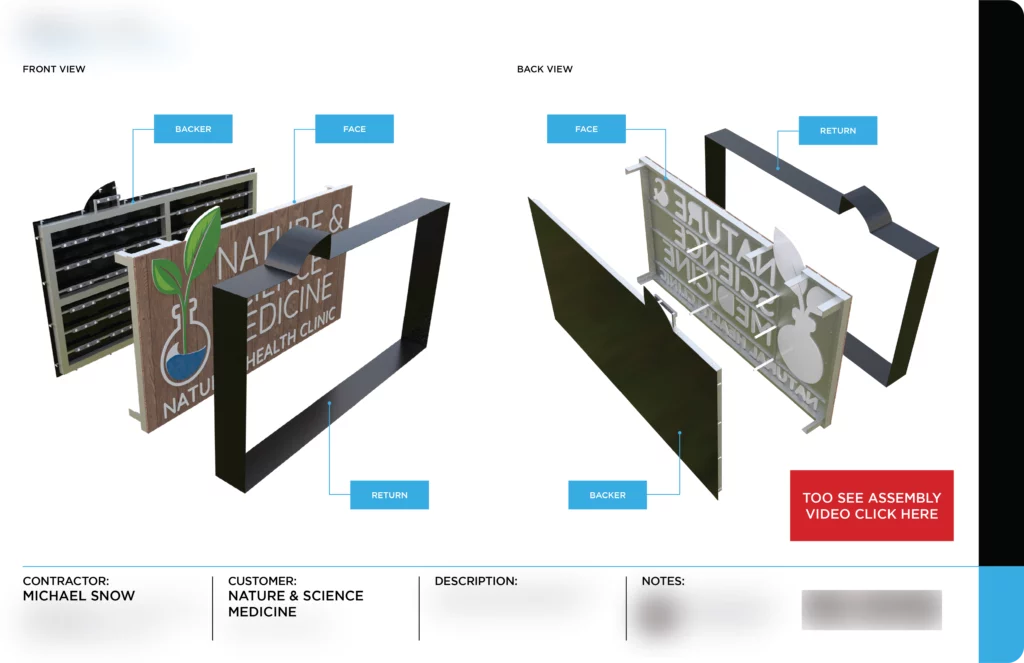
- Professional creative visuals and photorealistic 3D renderings
- Accurate pre-production files that prevent costly rework
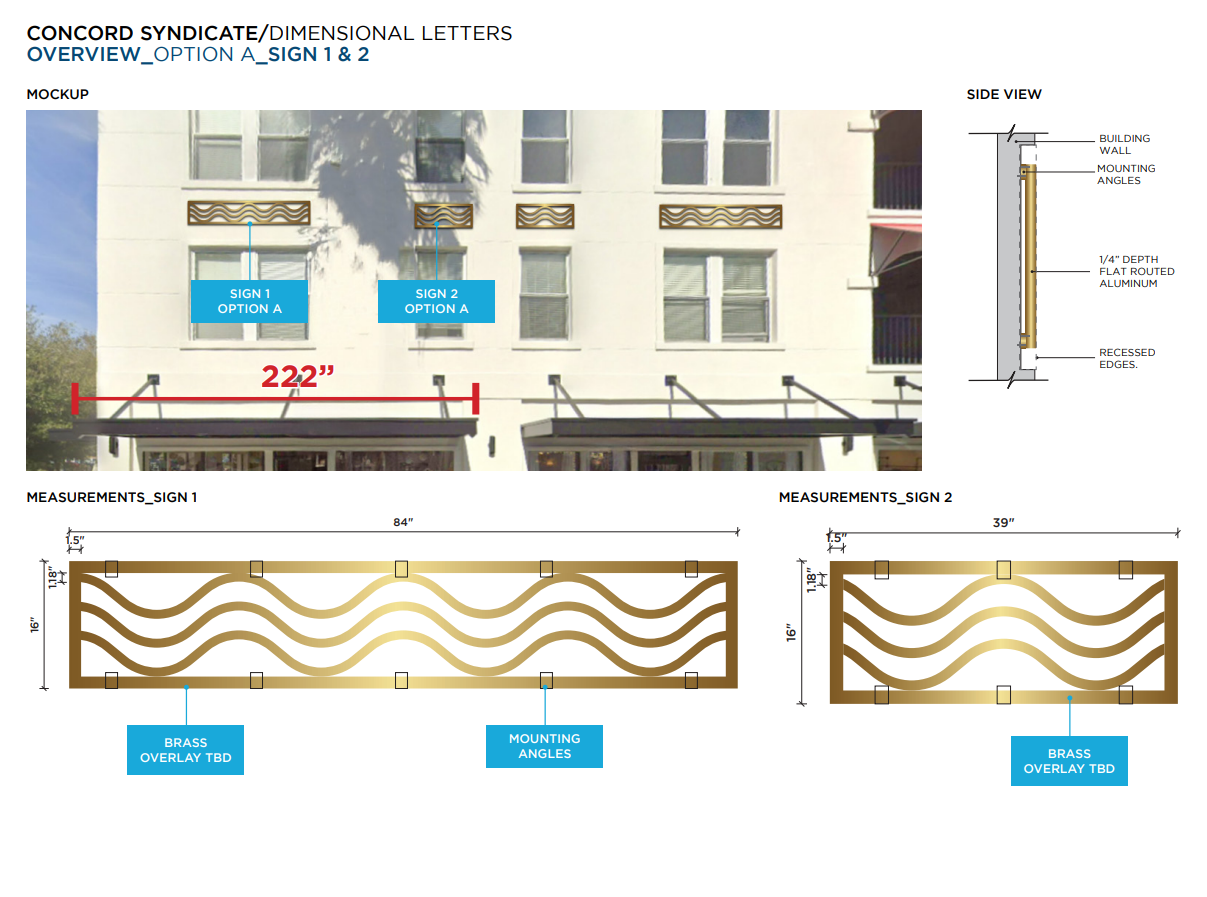
- Clean, structured, and standardized permit drawings that meet regulatory requirements
Today, corporate clients, fabricators, and installers expect these deliverables at a higher standard than ever before. When these expectations are not met, the consequences can quickly affect the entire project workflow, including:
- Extended project timelines
- Permit rejections
- Idle production time
- Margin erosion
- Increased pressure on cash flow
Based on our experience, many bottlenecks on the production floor originate from inconsistent file quality, skill gaps within design teams, and errors in project information.
In contrast, equipment and materials are rarely the limiting factor.
However, when production teams receive files with unclear drawings, missing dimensions, or poorly organized layers, fabrication and permitting processes can stall. This can leave downstream resources idle and disrupt the entire project schedule.
How Sign Companies Can Adapt to These Challenges
The rise of integrated digital signage technologies and growing awareness of sustainability are opening new opportunities for sign companies to play a more strategic role in modern signage projects.
At the same time, increasing regulatory complexity, technical requirements, and client expectations can add pressure to operational workflows and project margins.
To stay competitive in today’s signage industry, several key capabilities are becoming increasingly important:
- Provide comprehensive project solutions: Sign companies should be prepared to deliver end-to-end solutions, from compelling visual concepts and detailed fabrication drawings to installation diagrams and permit-ready documentation.
- Maintain clean, structured, and standardized documentation: Well-organized project documentation helps streamline production and permitting processes, reducing the risk of timeline delays.
- Conduct thorough site surveys: Accurate site surveys can help prevent unexpected structural or electrical issues and avoid delays that often lead to cost overruns. Leveraging specialized tools and platforms such as SignScope.pro can significantly improve this process.
- Build strategic partnerships with specialized teams: Collaborating with professional signage design teams, such as The Sign Pack, and experienced fabrication vendors enables companies to scale operations without overburdening internal resources.
Skill gaps within design teams and technical drawing capabilities should not become major operational bottlenecks when companies collaborate with experienced specialists in the signage industry.
Many sign companies assume that increasing headcount is the best way to solve these challenges. However, the total cost of hiring a new employee can range from 30% to 200% of their annual salary when recruitment, onboarding, training, and ramp-up time are taken into account.
How Sign Companies Can Prepare for 2026
The trends shaping the sign industry in 2026 reveal a clear trajectory: technological progress is inseparable from rising expectations—both from clients and within the industry itself.
At the same time, clients today expect faster timelines—and in many cases, saying no to a project is simply not an option.
For those committed to growth, preparation is not optional. Sustainable expansion demands more than increased capacity; it requires robust operational foundations and a strategic embrace of change.
Below are several essential areas that can help make 2026 a smoother and more profitable year for sign companies.
Standardizing Project Information and Site Surveys
Comprehensive survey documentation has become a critical prerequisite for starting design work on complex, digital, or multi-location signage projects.
Companies must establish a consistent method for capturing:
- Photos from predefined angles
- Key measurements and critical distances
- Notes related to power supply, data connections, mounting surfaces, and environmental conditions
When this information is documented properly from the beginning, design teams can avoid guesswork and significantly reduce costly last-minute corrections.
Raising Standards with Pre-Production and Permit-Ready Files
One of the most critical bottlenecks in the signage industry today revolves around three recurring issues:
- Designer scalability
- Inconsistent file quality
- Errors in project information
If left unresolved, these issues can ripple throughout the downstream production chain—resulting in idle production time, underutilized resources, delayed timelines, and margin erosion.
By establishing internal standards for production-ready and permit-ready files, sign companies can minimize rework and naturally expand their production capacity without increasing operational pressure.
The Convergence of Physical and Operational Systems
By 2026, the industry will see a growing convergence between physical production capabilities and operational systems.
In other words, new technologies and innovations in the signage industry cannot deliver sustainable growth or profitability without strong operational foundations.
Many sign companies experience rapid growth but also feel increasing operational pressure.
Even when technology adoption is widespread, workloads can continue to grow if core bottlenecks remain unresolved, such as:
- Design files that fail to support the full workflow create misalignment between sales, design, and production.
- Production files that are not fabrication-aware often require adjustments that reduce profit margins, often due to inaccurate project information.
- Permit delays caused by non-compliance with sign codes or zoning requirements, turning revision cycles into a source of frustration and margin loss.
- Production delays caused by design backlogs can disrupt schedules, create customer dissatisfaction, and leave machines and crews idle.
Addressing these operational challenges will be critical for sign companies that want to scale sustainably in the coming years.
| Also Read: How to Fix the Sign Permit Drawing Bottleneck and Keep Projects Moving Forward |
Separating Operational Capacity from Growth Capacity
If your sign company wants to capture major growth opportunities without creating operational chaos, one of the most important steps is separating operational capacity from growth capacity.
- Operational capacity: Typically involves repetitive, non-strategic tasks that can be delegated to professional extended teams. Their role is not to replace your designers or internal team, but to function as a scalable system that stabilizes operations without disrupting your existing workflow.
- Growth capacity: This is strategic work that determines your company’s long-term direction. These responsibilities should remain within your internal team because they directly influence business growth and competitive advantage.
In practical terms, most signage projects can be divided into two categories of work.
1. Operational Work: Repeatable and Non-Strategic Tasks
These tasks are typically repetitive, lower in strategic value, and operational in nature, such as:
- Creating creative layouts for presentations
- Producing photorealistic 3D renders
- Conducting site surveys
- Preparing technical drawings and sign permit documentation
While these tasks are essential to project execution, they fall within the operational capacity layer of the business.
2. Growth Work: Strategic and High-Value Activities
On the other hand, strategic work should remain within the internal team and focus on activities that directly drive company growth, including:
- Project coordination and decision-making
- Design reviews and quality control
- Pitching and securing high-margin projects
- Strategic planning and client relationships
These responsibilities represent the company’s growth capacity and shape its future.

Collaborating with Professional Extended Design Teams
Partnering with professional strategic collaborators can significantly improve a sign company’s growth potential, productivity, and profitability.
This approach has become increasingly relevant as the industry continues to face a shortage of skilled sign designers, allowing companies to expand capacity without absorbing the high costs of hiring, onboarding, and training new employees.
The purpose of this collaboration is not to outsource your identity as a sign company or replace your in-house designers.
Instead, it creates an additional operational layer that strengthens workflow and stabilizes operations when your internal team experiences overload.
A professional extended design team can support sign companies by:
- Handling graphic design for a wide range of signage projects, including channel letters, monument signs, vehicle graphics, window graphics, ADA signage, wayfinding systems, and more
- Producing structured layouts and drawings that translate effectively into real-world fabrication and installation
- Delivering pre-production files and permit drawings that help projects move through engineering and municipal approvals with fewer revisions
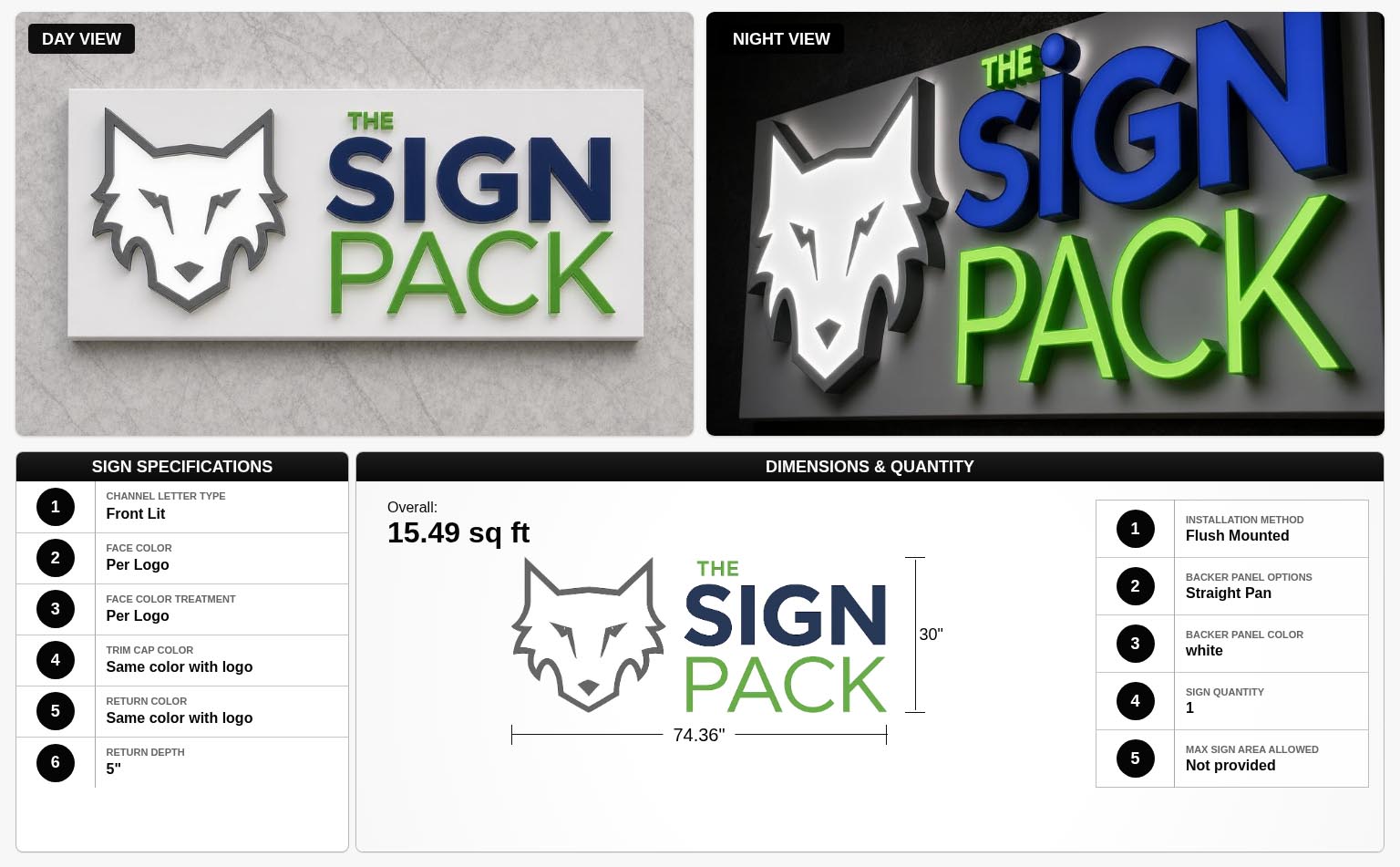
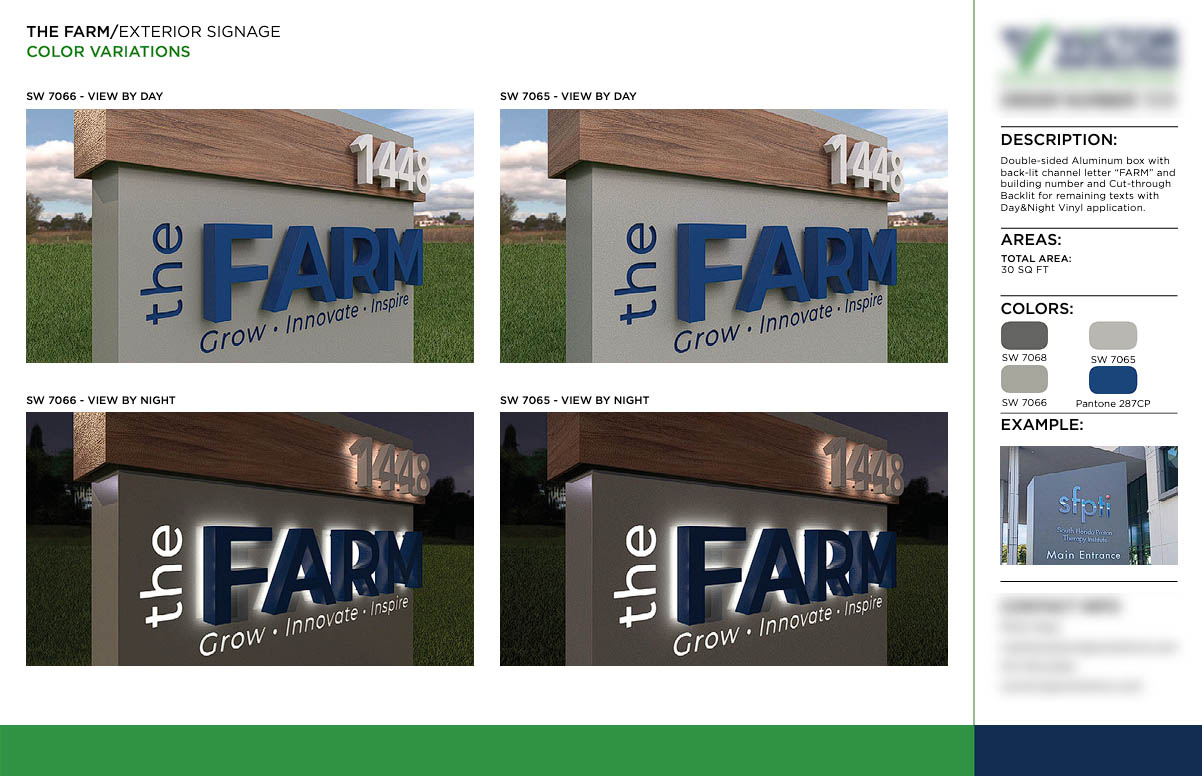
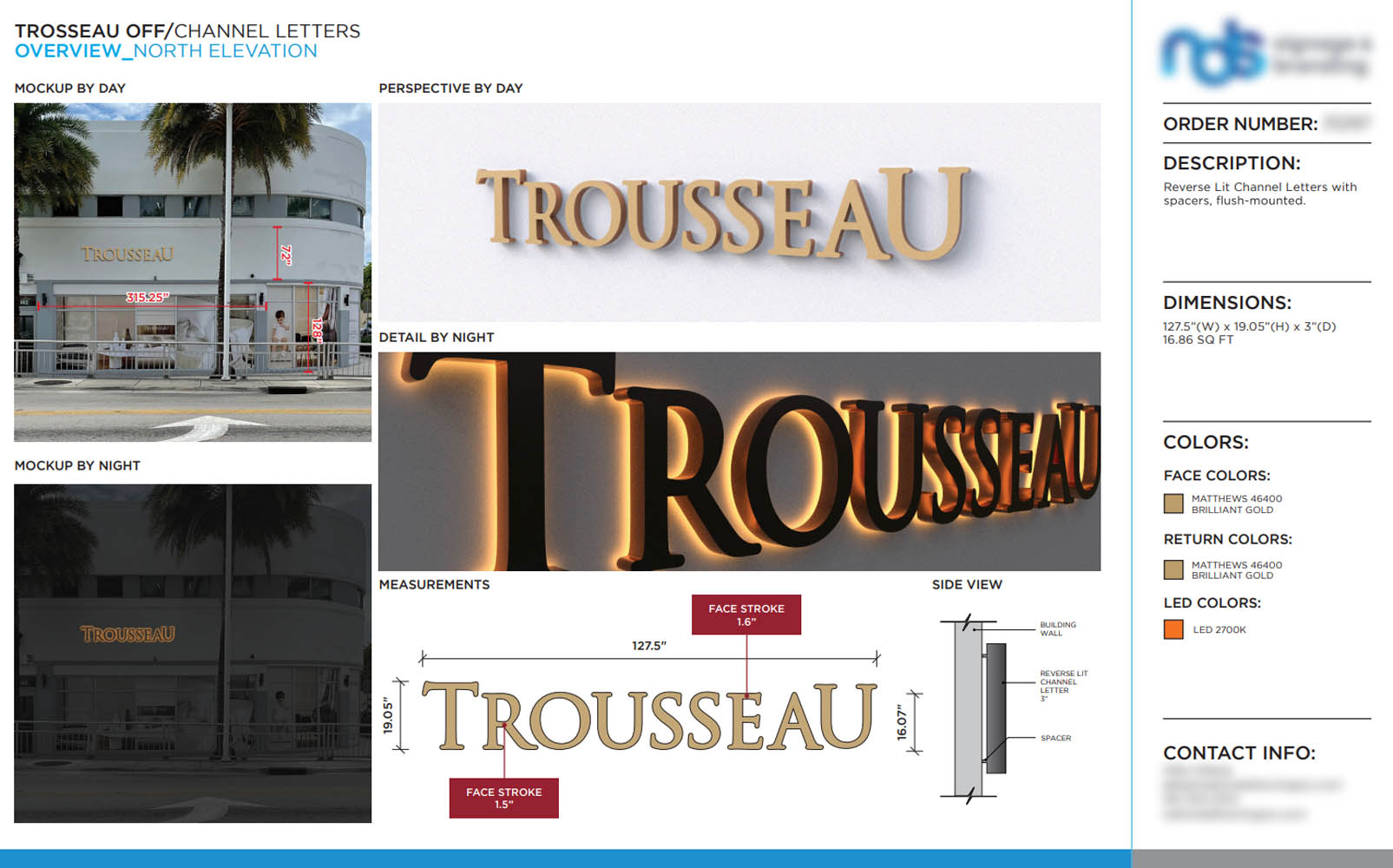
- Developing creative layouts and photorealistic 3D renders that provide stronger presentation tools for sales teams pursuing digital, sustainable, and complex signage projects
- Completing repetitive design work and lower-complexity tasks to reduce operational pressure without increasing fixed overhead
Building a Stronger Foundation for the Future of Sign Companies
By integrating advanced production capabilities with disciplined operational systems, sign companies will be better positioned to meet the evolving demands of 2026 and drive sustained success.
When technology and innovation are no longer the primary barriers to sign production, operational capacity becomes the critical factor in determining whether companies can scale successfully.
The growth structure and operating models of sign companies have fundamentally evolved, with sustainable growth now driven by both fabrication capacity and robust operational systems.
As highlighted in our article, ISA Sign Expo 2026: Strategic Shifts Reshaping Growth for Sign Companies, this evolution underscores the critical importance of continuous innovation and operational excellence for the signage industry.
To explore how your organization can proactively address these trends and position itself as a leader in the evolving signage industry, engage with experienced partners who understand the nuances of both technology and operations. Strategic conversations—not just sales pitches—can help uncover the right path to resilient, scalable growth.